
- You are here:
- Home »
- author engagement
Tag Archives for " author engagement "

Book Preorder Strategies Explained: Complete Guide
Did you know that authors who use preorders can see up to 30 percent more sales during their book’s launch week? Preorder campaigns are quickly becoming a favorite strategy because they help writers build excitement, measure interest, and earn revenue before release day. By learning how effective preorders work, authors can improve their book’s visibility and connect with readers months before the first copy ships.
Table of Contents
- Defining Book Preorders And Their Benefits
- Types Of Preorder Campaigns For Authors
- Step-By-Step Process For Preorder Success
- Leveraging Email, Social, And AI Tools
- Risks, Costs, And Common Preorder Mistakes
Key Takeaways
| Point | Details |
|---|---|
| Strategic Preorders | Book preorders help authors generate early sales, create buzz, and improve visibility on platforms like Amazon. |
| Campaign Types | Authors can utilize various campaign types including direct platform preorders and social media blitzes to maximize engagement. |
| Marketing Execution | Effective preorder strategies rely on compelling metadata, exclusive incentives, and a multi-channel marketing approach. |
| Avoiding Pitfalls | Common mistakes such as poor timing and inadequate audience targeting can undermine preorder success; authors should navigate these risks carefully. |
Defining Book Preorders and Their Benefits
A book preorder represents a strategic marketing approach where readers can purchase and reserve a book before its official release date. This powerful technique allows authors to generate excitement, build anticipation, and secure advanced sales that can significantly impact initial book rankings and visibility.
Book preorders offer multiple strategic advantages for authors. According to the University of California Press, effective preorder campaigns leverage critical metadata like precise publication dates, compelling book descriptions, and targeted keywords to optimize online discoverability. These advanced sales not only help authors gauge reader interest but also provide crucial momentum for launch week performance.
Key benefits of book preorders include:
- Generating early revenue before official publication
- Creating buzz and anticipation around your upcoming release
- Potentially improving initial book rankings on platforms like Amazon
- Providing authors with early sales data and reader engagement metrics
- Allowing readers to secure their copy in advance of the official launch
For independent authors, preorders represent more than just a sales strategy. They are a powerful tool for building reader engagement and creating a sense of community around your upcoming book. Book launch strategies can be significantly enhanced by implementing a well-planned preorder campaign that connects directly with your target audience.
Types of Preorder Campaigns for Authors
Authors can leverage several strategic preorder campaign types to maximize book visibility and reader engagement. These campaigns range from direct platform-based approaches to more complex multi-channel marketing strategies designed to build anticipation and drive early sales.
According to the Self-Publishing Advice Center, independent authors have multiple promotional avenues to explore. Platform-exclusive preorders typically involve focusing on specific retail channels like Amazon KDP, where authors can offer early purchase options with special incentives. These campaigns often include limited-time pricing, exclusive bonus content, or signed edition opportunities to entice early buyers.
Key preorder campaign strategies include:
Here’s a comparison of popular preorder campaign types for authors:
| Campaign Type | Key Features | Best For |
|---|---|---|
| Direct Platform Preorders | Platform exclusivity Easy setup |
Wide reach Amazon focus |
| Email List Campaigns | Personalized offers Direct connection |
Engaged audiences |
| Social Media Preorder Blitz | Viral potential Short-term buzz |
Brand building |
| Influencer Partnership | Third-party endorsement Wider exposure |
Niche audiences |
| Early Bird Discount Campaign | Limited-time pricing Urgency creation |
Value-driven readers |
- Direct Platform Preorders: Using Amazon, Barnes & Noble, and other book retailer platforms
- Email List Campaigns: Targeting existing readers with exclusive preorder opportunities
- Social Media Preorder Blitz: Creating time-limited promotional events across digital channels
- Influencer Partnership Preorders: Collaborating with book reviewers and content creators
- Early Bird Discount Campaigns: Offering reduced pricing for readers who preorder early
For authors seeking comprehensive marketing approaches, book marketing strategies for authors can provide additional insights into creating successful preorder campaigns that connect meaningfully with your target audience and drive initial book sales.

Step-by-Step Process for Preorder Success
Successful book preorder campaigns require meticulous planning and strategic execution. Authors must approach their preorder strategy as a comprehensive marketing journey that begins months before the actual book launch, carefully crafting each stage to maximize reader engagement and potential sales.
According to the University of California Press, the foundation of any successful preorder campaign starts with compelling metadata. This includes creating an attention-grabbing book description, selecting strategic keywords, and ensuring all publication details are accurate and enticing. Research indicates that authors who invest time in developing high-quality metadata significantly improve their book’s online discoverability and potential for early sales.
The comprehensive preorder process typically involves these critical steps:
- Develop Compelling Book Metadata: Create an irresistible book description
- Build Anticipation: Start promoting 3-6 months before release date
- Create Exclusive Preorder Incentives: Design special bonuses for early buyers
- Leverage Multiple Marketing Channels: Utilize email, social media, and author networks
- Track and Adjust: Monitor preorder performance and adapt strategies
Independent authors looking to refine their marketing approach can find additional insights through bestselling author strategy resources that provide advanced techniques for turning preorder campaigns into powerful book launch mechanisms.
Leveraging Email, Social, and AI Tools
Modern book preorder strategies demand a sophisticated approach that integrates digital marketing channels with cutting-edge technological tools. Authors now have unprecedented opportunities to connect with readers and create targeted, personalized promotional campaigns that extend far beyond traditional marketing methods.
According to the University of California Press’s promotional toolkit, effective author marketing requires a multi-channel strategy that seamlessly combines email outreach, social media engagement, and emerging AI technologies. Email marketing remains a powerful tool, allowing authors to develop direct relationships with readers by creating segmented lists, crafting personalized preorder communications, and designing automated follow-up sequences that build anticipation for upcoming book releases.
Key strategies for leveraging digital tools include:
- Targeted Email Campaigns: Segment reader lists and create personalized preorder invitations
- Social Media Countdown: Use platforms like Instagram and Twitter to build excitement
- AI-Powered Content Creation: Generate engaging promotional materials and social media posts
- Automated Marketing Sequences: Design multi-step communication strategies
- Performance Tracking: Use analytics to refine and optimize preorder approaches
Authors looking to stay ahead of the marketing curve can explore AI strategies for book marketing to unlock advanced techniques for transforming their preorder campaigns into highly effective reader engagement mechanisms.
Risks, Costs, and Common Preorder Mistakes
Book preorder campaigns, while powerful, come with potential pitfalls that can derail an author’s marketing strategy. Understanding these risks is crucial for developing a robust and successful preorder approach that minimizes financial exposure and maximizes reader engagement.
According to the Self-Publishing Advice Center, authors must carefully navigate the financial and strategic risks associated with promotional programs. Platform exclusivity can be a significant constraint, particularly with programs like KDP Select, which may limit an author’s ability to distribute their book across multiple sales channels. The University of California Press warns that neglecting critical elements like metadata optimization can severely impact a book’s online discoverability and potential preorder success.
Common preorder mistakes authors should avoid include:
- Insufficient Metadata Preparation: Incomplete or poorly crafted book descriptions
- Unrealistic Pricing Strategies: Setting prices too high or offering inconsistent discounts
- Lack of Audience Targeting: Failing to identify and reach the right reader demographic
- Poor Timing: Starting preorder campaigns too early or too late
- Inadequate Marketing Follow-through: Not maintaining consistent promotional momentum
Independent authors seeking to mitigate risks and optimize their marketing approach can find valuable guidance through book marketing strategies for authors, which provide comprehensive insights into avoiding common preorder campaign pitfalls.
Unlock the Full Potential of Your Book Preorder Campaigns
If you are struggling with building buzz, optimizing metadata, or creating engaging preorder incentives you are not alone. Many authors find it challenging to navigate the complexities of preorder strategies such as email list segmentation, AI-powered content creation, and managing multi-channel marketing efforts. The pain of launching without a strong preorder plan can lead to missed sales and lost momentum.
At DigitalMarketingAuthors.com, founded by 13x #1 Amazon bestselling author C.T. Mitchell, we understand these challenges and offer proven systems designed to help you market smarter and sell faster. Whether you want to craft magnetic email sequences, leverage AI tools for effective promotions, or build a loyal reader community that drives demand before your book’s release, we provide step-by-step support tailored to your goals.
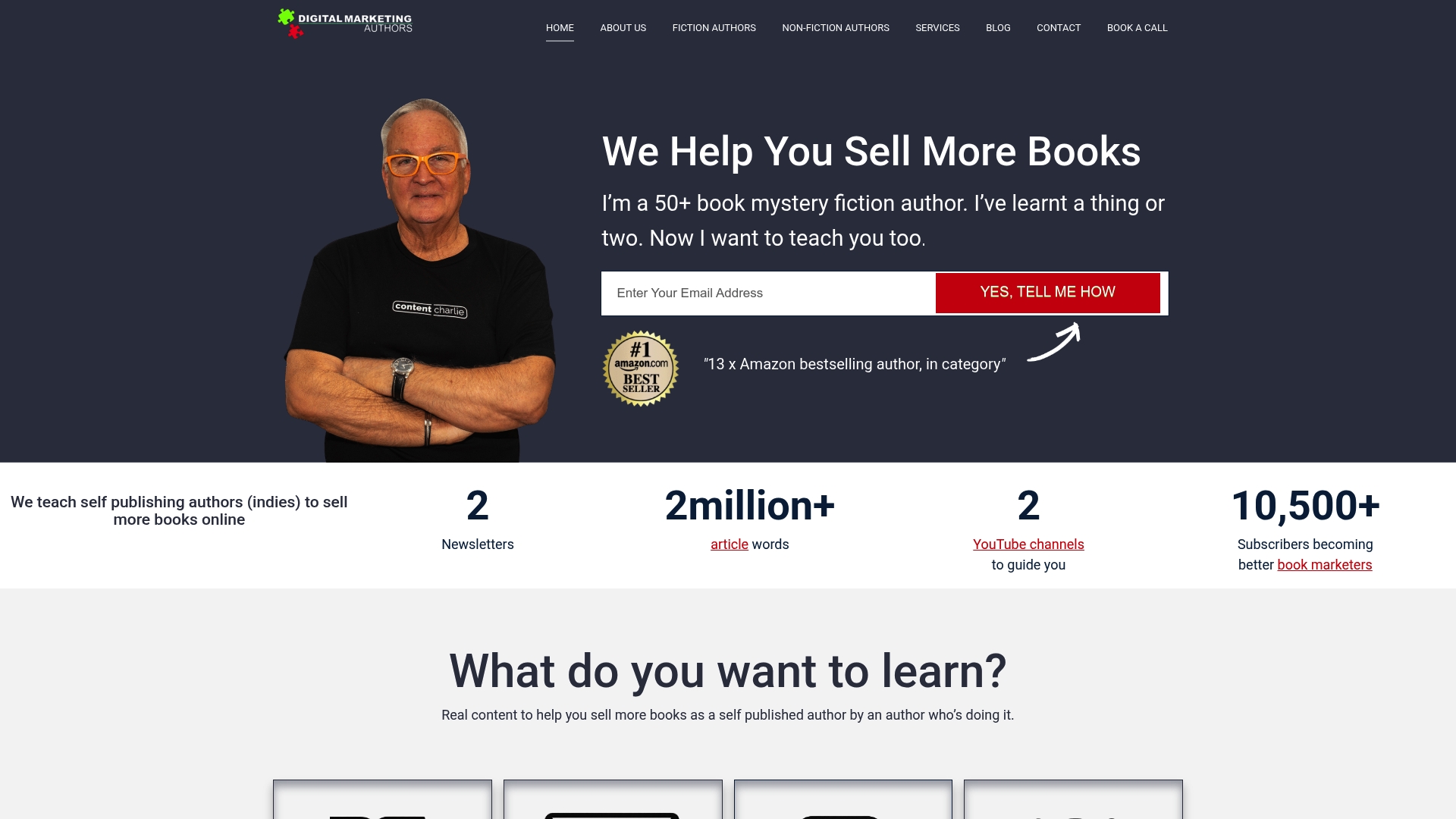
Ready to stop guessing and start growing your preorder success? Visit DigitalMarketingAuthors.com today to explore powerful book marketing strategies for authors and bestselling author strategy resources. Take control of your book launch and watch your preorder sales soar.
Frequently Asked Questions
What are the main benefits of book preorders for authors?
Book preorders help authors generate early revenue, create buzz around their release, improve initial book rankings, provide early sales data, and allow readers to secure their copy ahead of launch.
What types of preorder campaigns can authors implement?
Authors can use various preorder campaign types, including direct platform preorders, email list campaigns, social media preorder blitzes, influencer partnerships, and early bird discount campaigns to maximize visibility and engagement.
What are the critical steps for a successful preorder campaign?
A successful preorder campaign involves developing compelling book metadata, building anticipation leading up to the release, creating exclusive incentives for early buyers, leveraging multiple marketing channels, and tracking performance to adjust strategies as needed.
What common mistakes should authors avoid when setting up preorder campaigns?
Authors should avoid mistakes such as insufficient preparation of metadata, unrealistic pricing strategies, lack of audience targeting, poor timing in campaign launches, and inadequate follow-through in marketing efforts.
Recommended

Understanding What is Digital Marketing for Writers
Writers today are tapping into digital marketing for writers to take control of their success. More than 70 percent of self-published authors say online platforms have helped them reach new audiences and boost sales. It might sound like digital marketing is just about more tweets and flashy book covers, but that barely scratches the surface. The real shift is that writers can now bypass the old publishing gatekeepers and build lasting careers by connecting with readers directly—something that was almost impossible just a decade ago.
Table of Contents
- Defining Digital Marketing In The Context Of Writing
- The Importance Of Digital Marketing For Writers
- Key Concepts In Digital Marketing For Authors
- How Writers Utilize Digital Marketing Strategies
- Real-World Examples Of Successful Digital Marketing In Writing
Quick Summary
| Takeaway | Explanation |
|---|---|
| Build an author website or blog. | A central hub helps you connect with readers directly and showcase your work effectively. |
| Utilize social media for engagement. | Engaging on social platforms keeps your audience updated and fosters community-building. |
| Implement targeted email marketing. | Email campaigns nurture reader relationships and personalize communication with your audience. |
| Create diverse content to attract readers. | Offering various content types maintains reader interest and addresses their specific needs and preferences. |
| Control your marketing and distribution. | Digital marketing empowers you to engage directly with audiences, bypassing traditional publishing barriers. |
Defining Digital Marketing in the Context of Writing
Digital marketing for writers represents a strategic approach to promoting, distributing, and monetizing written content through online channels. Unlike traditional publishing methods, digital marketing empowers authors to directly connect with readers, build audiences, and create sustainable writing careers.
Core Components of Digital Marketing for Writers
At its foundation, digital marketing for writers encompasses several interconnected strategies designed to increase visibility and engagement. These strategies leverage digital platforms to transform how authors reach and interact with potential readers. According to Nielsen Norman Group’s content strategy research, effective digital marketing requires understanding audience needs and creating targeted content experiences.
To help clarify the essential elements of digital marketing for writers, the table below outlines the core components featured in the article.
| Core Component | Description |
|---|---|
| Author Website or Blog | Serves as a central hub for connecting with readers and showcasing work. |
| Social Media Engagement | Platforms for sharing updates, building a following, and communicating directly with readers. |
| Email Marketing | Campaigns and newsletters that nurture relationships and provide personalized communication. |
| Content Marketing | Creating and sharing valuable content that highlights writing expertise and attracts target readers. |
| Platform-specific Strategy | Tailoring content to suit the unique characteristics and audiences of each digital platform used. |
Key digital marketing approaches for writers include:
- Building an author website or blog as a central hub for connecting with readers
- Utilizing social media platforms to share writing updates and engage with audiences
- Creating email marketing campaigns to nurture reader relationships
- Developing content marketing strategies that showcase writing expertise
Strategic Online Presence
Successful digital marketing transcends mere self-promotion. It involves creating genuine connections and providing value to potential readers. Writers must think strategically about their online presence, understanding that each digital interaction represents an opportunity to build credibility and trust. Learn more about building your author platform and transforming casual readers into dedicated fans.
By mastering digital marketing techniques, writers can expand their reach beyond traditional publishing constraints, control their narrative, and create sustainable writing careers in an increasingly digital marketplace.
The Importance of Digital Marketing for Writers
Digital marketing has revolutionized how writers connect with audiences, transforming traditional publishing paradigms and creating unprecedented opportunities for independent authors. By understanding and implementing strategic digital marketing techniques, writers can significantly enhance their visibility, reader engagement, and potential income streams.
Breaking Traditional Publishing Barriers
Historically, writers depended on publishing houses to distribute and market their work. Digital marketing dismantles these traditional barriers, allowing authors to become their own publishers and marketers. Research from the American Library Association indicates that digital platforms enable writers to bypass traditional gatekeepers and directly reach their target audiences.
Critical advantages of digital marketing for writers include:
- Complete control over publishing and distribution channels
- Direct relationship building with readers
- Cost-effective marketing strategies
- Global reach without geographical limitations
Economic and Professional Empowerment
Digital marketing is not just about promotion but represents a comprehensive strategy for professional growth. Writers can monetize their skills through multiple digital channels, creating diverse revenue streams beyond traditional book sales. Discover advanced author marketing strategies that transform writing from a passion into a sustainable career.
By embracing digital marketing, writers unlock the potential to build personal brands, cultivate loyal reader communities, and establish themselves as authoritative voices in their respective genres. The digital landscape offers writers unprecedented opportunities to turn their creative talents into successful, self-directed careers.
This table highlights key advantages of digital marketing for writers, making it easy to compare its benefits over traditional publishing methods.
| Advantage | Explanation |
|---|---|
| Direct Control | Writers have full ownership of publishing, marketing, and distribution channels. |
| Relationship Building | Enables direct communication and stronger connections with readers. |
| Cost Efficiency | Digital strategies reduce dependency on expensive traditional marketing and distribution models. |
| Global Reach | Authors can access readers worldwide without geographic barriers. |
| Multiple Revenue Streams | Supports diversification of income through e-books, merchandise, and online courses beyond book sales. |
Key Concepts in Digital Marketing for Authors
Digital marketing for authors involves a sophisticated set of strategies and tools designed to create meaningful connections between writers and their potential readers. Understanding these core concepts transforms digital platforms from mere communication channels into powerful author engagement mechanisms.
Content Strategy and Audience Targeting
Successful digital marketing begins with developing a precise content strategy that resonates with specific reader demographics. According to Content Marketing Institute’s research, targeted content that addresses reader interests dramatically increases engagement and conversion rates.
Essential audience targeting principles include:
- Identifying precise reader persona characteristics
- Understanding reader preferences and consumption habits
- Creating content that solves reader problems or fulfills specific needs
- Analyzing audience engagement metrics continuously

Digital Channel Optimization
Modern authors must strategically leverage multiple digital channels to maximize their visibility and reader interaction. Each platform offers unique opportunities for building author brands and connecting with potential readers. Learn more about optimizing your author marketing channels and expanding your digital presence effectively.
Key digital marketing channels for authors include social media platforms, personal websites, email newsletters, and content marketing blogs.
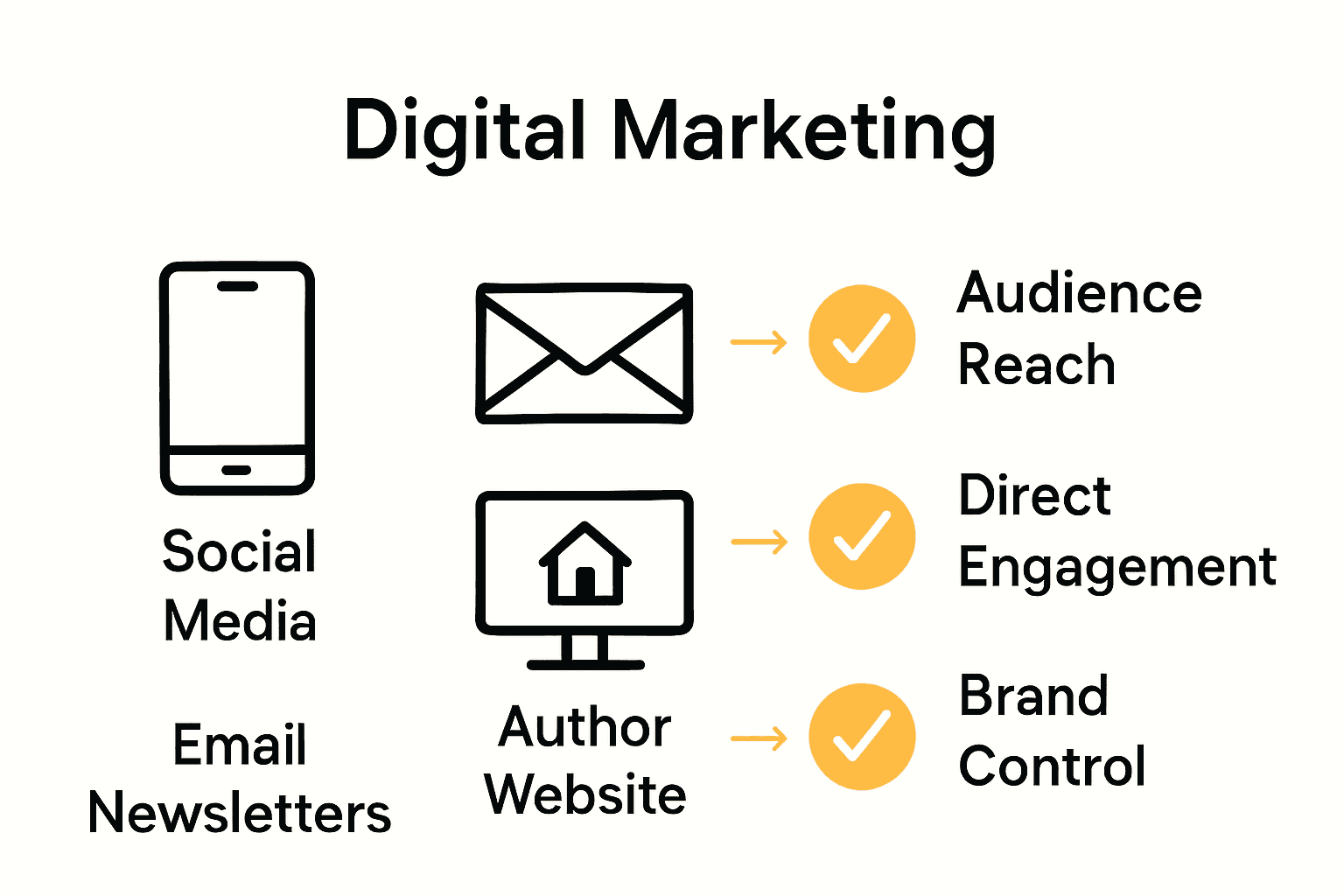 Successful writers understand how to craft platform-specific content that attracts and retains reader attention, transforming casual browsers into dedicated fans and long-term supporters of their writing journey.
How Writers Utilize Digital Marketing Strategies
Digital marketing strategies provide writers with sophisticated tools to transform their writing careers from isolated creative pursuits into dynamic, interactive reader experiences. By implementing targeted approaches, authors can effectively amplify their reach and build sustainable professional platforms.
Content Distribution and Community Building
Modern writers leverage digital platforms to create comprehensive engagement ecosystems around their work. Research from the University of Nebraska–Lincoln demonstrates that authors who strategically collaborate with influencers and use targeted advertising can significantly enhance their professional visibility.
Strategic content distribution techniques include:
- Creating serialized content across multiple digital platforms
- Developing consistent brand messaging
- Engaging directly with reader communities
- Utilizing cross-platform promotional strategies
Monetization and Professional Expansion
Digital marketing enables writers to diversify their income streams beyond traditional book sales. Explore advanced author marketing techniques to transform writing from a passion into a sustainable professional endeavor.
Successful writers understand that digital marketing is not about constant self-promotion but creating genuine connections. By sharing insights, behind-the-scenes content, and meaningful interactions, authors can convert casual readers into dedicated fans who actively support their creative journey.
Real-World Examples of Successful Digital Marketing in Writing
Digital marketing success for writers goes beyond theoretical strategies. Real authors have transformed their careers by implementing innovative digital approaches that connect directly with readers and create sustainable professional platforms.
Case Studies of Author Digital Engagement
Independent and traditional authors alike have demonstrated remarkable success through strategic digital marketing. According to Harvard Business Review’s publishing research, authors who effectively leverage digital channels can dramatically increase their visibility and reader engagement.
Characteristics of successful author digital marketing include:
- Creating authentic, consistent online personas
- Developing multi-platform content strategies
- Building interactive reader communities
- Utilizing data-driven marketing approaches
Strategic Platform Diversification
Successful writers understand that digital marketing requires more than just promoting books. Learn about advanced author marketing strategies that transform writing careers through strategic online positioning.
Authors like Hugh Howey, who built a massive science fiction readership through self-publishing platforms, and Amanda Hocking, who became a millionaire through digital marketing of young adult novels, demonstrate the transformative power of understanding and implementing sophisticated digital marketing techniques. These writers did not just sell books they created entire reader ecosystems that supported their ongoing creative work.
Ready to Turn Digital Strategy into Real Book Sales?
Are you struggling to break through the noise online, connect with real readers, or grow your author brand on your own terms? The article showed how mastering digital marketing can shatter old publishing barriers, help you build reader communities, and create consistent income without gatekeepers. But reading about effective content strategies and audience targeting is just the first step. What if you could put these proven methods into action right now—and watch your writing career transform?
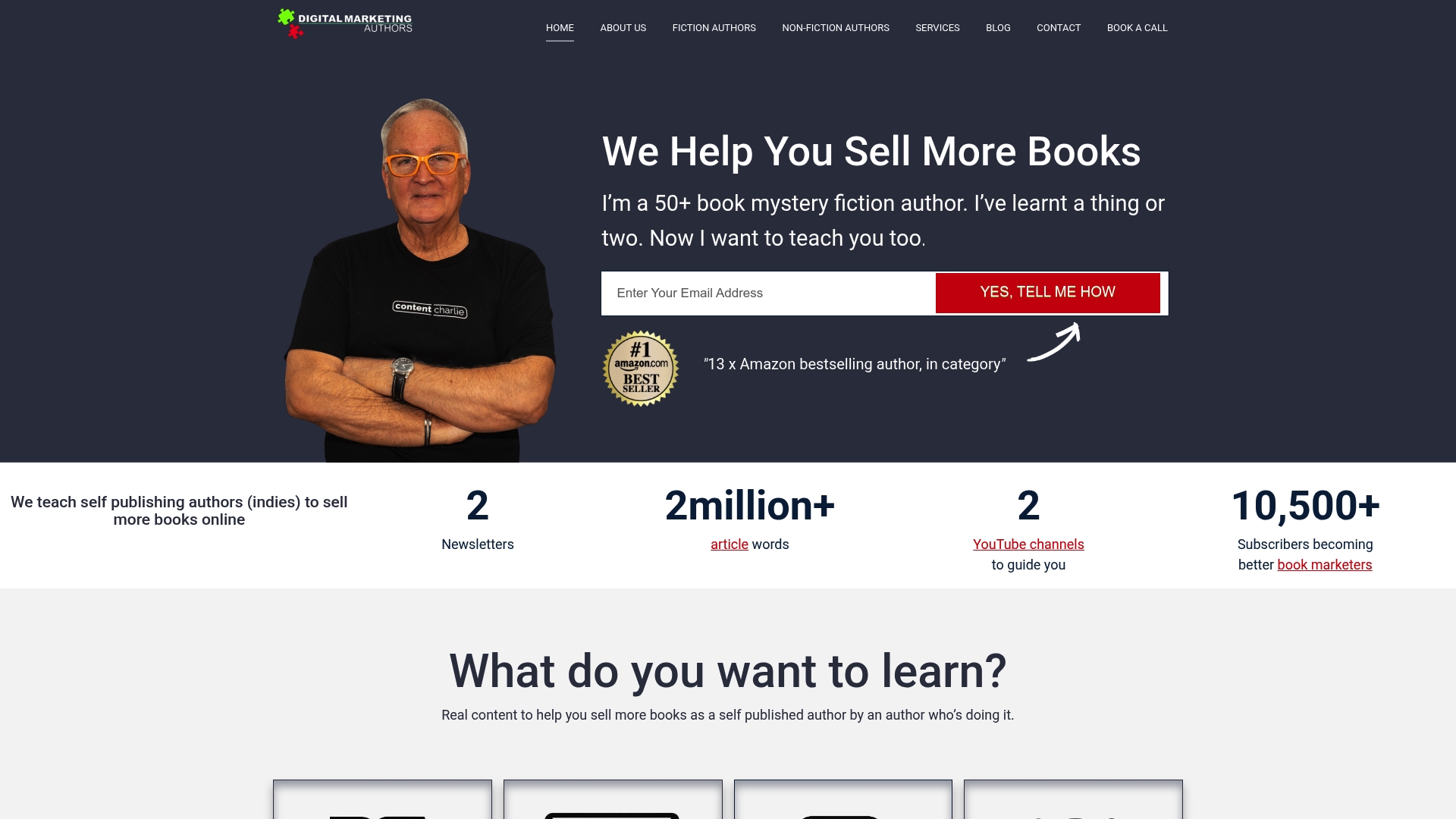
Stop worrying about how to attract loyal fans or increase sales. At Digital Marketing Authors, we empower writers using step-by-step systems built for indie author success. Learn to automate your book sales, grow your fanbase with AI-powered tools, and stand out faster. Get started today and elevate your writing career by visiting our site or exploring advanced tips in our author platform guide and social media marketing strategy blog. Take action now and claim control over your author journey.
Frequently Asked Questions
What is digital marketing for writers?
Digital marketing for writers is a set of strategies that helps authors promote, distribute, and monetize their written content online. To get started, create an author website or blog that serves as a central hub for your work and connects you directly with readers.
How can I build an online presence as a writer?
You can build an online presence by using social media platforms to share updates on your writing and engage with your audience. Start by selecting two to three platforms that resonate with your target readers, and post regularly to keep them informed and connected.
What are effective content marketing strategies for authors?
Effective content marketing strategies for authors include showcasing your writing expertise through blog posts, articles, and engaging social media content. Prioritize consistency by creating a content calendar and aim to publish new content at least once a week to keep your audience engaged.
How can I nurture relationships with my readers through email marketing?
To nurture relationships with readers, implement email marketing campaigns that share insights, updates, and exclusive content. Start by building an email list and send personalized newsletters at least once a month to keep readers connected and informed about your writing journey.
What techniques can I use for audience targeting in my digital marketing?
You can target your audience effectively by identifying their specific interests and preferences, and tailoring your content to meet their needs. Conduct surveys or engage with your audience on social media to gather insights and refine your targeting strategies within 30 days.
How does digital marketing empower writers financially?
Digital marketing empowers writers financially by allowing them to diversify their income streams beyond traditional book sales, such as through e-books, merchandise, or online courses. To enhance your financial opportunities, explore at least three different monetization methods within the first six months of your digital marketing efforts.
Crucial first step in digital marketing for writers
Recommended
- Fiction Authors –
- An Author’s Successful Social Media Marketing Campaign – DigitalMarketingAuthors.com
- Marketing Archives – DigitalMarketingAuthors.com
- social media marketing for authors Archives – DigitalMarketingAuthors.com