
- You are here:
- Home »
- automation for authors
Tag Archives for " automation for authors "

Book Marketing Strategies 2025: Sell More Books Globally
Over 4 million books are published each year, making it more challenging than ever for authors to capture readers’ attention. Standing out in such a saturated market takes more than great storytelling. Authors now need smart branding, reliable audience connections, and innovative marketing tactics to build real visibility. Discover practical strategies and evidence-based tips for growing your author platform and turning readers into lifelong fans.
Quick Summary
| Key Point | Explanation |
|---|---|
| 1. Define Your Unique Author Brand | Understand your writing style and core message to stand out in the marketplace. |
| 2. Identify Your Target Audience | Pinpoint demographics like age and genre preferences to tailor your approach effectively. |
| 3. Build an Engaging Email List | Use reader magnets and automation to convert casual readers into loyal fans effortlessly. |
| 4. Utilize AI for Marketing Strategies | Leverage AI tools to create compelling content and enhance your marketing efficiency. |
| 5. Track Metrics for Continuous Improvement | Monitor key performance indicators to optimize your marketing efforts and adapt strategies as needed. |
Table of Contents
- Step 1: Define Your Author Brand And Target Audience
- Step 2: Build Your Reader Email List With Automation
- Step 3: Create AI-Powered Book Marketing Campaigns
- Step 4: Leverage Global Platforms For Wider Reach
- Step 5: Track Metrics And Optimize Marketing Efforts
Step 1: Define your author brand and target audience
Your author brand is your secret weapon for standing out in a crowded book marketplace. Think of it as your literary fingerprint – the unique combination of your writing style, personality, and core message that distinguishes you from every other writer out there.
To start defining your author brand, first understand who you are as a writer. What themes consistently appear in your work? What emotional experience do you want readers to have? Your brand goes far beyond book genre it represents your authentic storytelling voice.
Identifying your target audience requires strategic thinking. According to research from AuthorHouse, you need to map out precise demographic details like age group, reading interests, and genre preferences.
Are you writing young adult fantasy for 14 to 22 year olds? Romance novels for women aged 35 to 55? Nonfiction business books for entrepreneurs? Each audience segment demands a tailored approach.
Visual consistency becomes crucial in building recognition. This means developing a cohesive look across your author website, social media profiles, and book covers.
Pick colour schemes and design elements that reflect your brand personality. A sci-fi author might use sleek metallic tones while a children’s book writer could opt for playful bright colors.
Pro Tip: Create an audience persona document that details your ideal reader’s characteristics, challenges, and reading motivations.
Research indicates that consistent branding increases reader trust and loyalty. By delivering a predictable yet compelling experience, you transform casual readers into committed fans who eagerly anticipate your next release.
As you refine your brand, remember authenticity matters most. Readers can sense when an author is genuinely passionate versus trying to manufacture an image. Stay true to your unique voice and storytelling strengths.
Here’s a summary of the elements to define your author brand and audience:
| Element | Key Considerations | Examples |
|---|---|---|
| Writing Style | Tone Voice Consistency |
Humorous Dark Conversational |
| Core Message | Themes Emotional experience |
Empowerment Adventure Hope |
| Target Audience | Age Gender Genre preferences |
Teens 14–22 Women 35–55 |
| Visual Identity | Color scheme Design elements |
Metallic tones Bright colors |
| Authenticity | Genuine voice Personal strengths |
Unique perspective Passion |
In the next step, we will explore how to communicate your brand effectively across different marketing channels and create a compelling narrative that attracts your ideal readers.
Step 2: Build your reader email list with automation
Building an email list is your most powerful tool for turning casual readers into loyal fans who will buy every book you publish. Automated email systems can transform how you connect with your audience making list growth almost effortless.
Start by creating an irresistible reader magnet something that provides genuine value and makes potential subscribers think “I absolutely need this”. This could be a free short story related to your book series, an exclusive chapter preview, or a comprehensive guide relevant to your genre. According to research from KDP Kit, the key is designing a signup process that feels seamless and offers clear immediate value.
Place your signup forms strategically across your digital platforms. Your website should have prominent opt in areas above the fold where visitors cant miss them. Consider embedding signup forms in your book back matter social media profiles and even within blog content. The goal is making subscription feel like an exciting opportunity rather than an obligation.
Pro Tip: Keep signup forms minimal asking only for essential information like name and email address.
Once someone subscribes your welcome sequence becomes critical. Design an automated email flow that delivers value over the first week. Send a welcome message introducing yourself share your reader magnet immediately and create anticipation for future communications. Each email should feel personal engaging and aligned with your author brand.
Automation tools can help you segment subscribers based on interests allowing you to send targeted content. A romance author might create different tracks for contemporary versus historical romance readers. A nonfiction writer could segment by professional interests.
Remember that growing an email list is about relationship building. Every subscriber represents a potential lifelong reader who might recommend your books to others. Treat them like valued friends not just potential sales.
In our next section we will explore how to craft compelling email content that keeps readers eagerly opening every message you send.
Step 3: Create AI-powered book marketing campaigns
AI has transformed book marketing from a complex guessing game into a precise strategic operation. Your marketing toolkit now includes powerful AI technologies that can generate compelling content craft targeted campaigns and dramatically increase your book’s visibility.
Start by exploring AI tools designed specifically for authors. According to research from Keemiya Creatives, platforms like ChatGPT Jasper and Canva AI can help you generate everything from book blurbs to social media graphics. Imagine creating multiple ad variations in minutes instead of hours testing different messaging and visuals to see what resonates most with your audience.
For book cover design and marketing graphics use AI image generation tools like MidJourney or Adobe Firefly. These platforms can create stunning visuals that match your book’s genre and mood helping you stand out in crowded online marketplaces. You can generate dozens of design concepts quickly and affordably.
Pro Tip: Always review and customize AI generated content to maintain your unique author voice and brand.
Predictive analytics become your secret weapon for targeting readers. As highlighted by research from Nancy Rubin marketing platforms now use AI to analyze reader behaviors predict engagement patterns and create hyper personalized content. This means your marketing messages can be tailored precisely to readers most likely to enjoy your specific book.
Chatbots powered by AI can transform reader interaction on your website. They can answer questions recommend books provide personalized reading suggestions and capture contact information seamlessly. These intelligent assistants work 24/7 helping you build relationships with potential readers without constant personal intervention.
A/B testing becomes incredibly efficient with AI. Generate multiple campaign versions test them simultaneously and let machine learning algorithms identify which messaging graphics and approaches generate the best results. This data driven approach eliminates guesswork and helps you optimize your marketing spend.

In our next section we will explore how to integrate these AI tools into a comprehensive author marketing strategy that feels authentic and engaging.
Step 4: Leverage global platforms for wider reach
Breaking out of your local book market and reaching readers worldwide requires strategic platform selection and smart international marketing approaches. Global digital platforms can transform your book from a local publication into an international sensation.
BookBub stands out as a powerful global book discovery service. According to Wikipedia research BookBub offers authors incredible promotional tools across multiple countries including the US UK Canada and Australia. Their personalized newsletters and featured deals can dramatically increase your international visibility making your book discoverable to millions of potential readers.
Consider diverse distribution platforms that support multilingual and multinational book publishing. The African Books Collective provides an excellent model for international distribution offering print on demand and electronic book services that connect publishers with global audiences. These platforms understand the nuanced needs of authors seeking to expand beyond traditional publishing boundaries.
Pro Tip: Optimize your book metadata with keywords in multiple languages to improve international searchability.
International book platforms like Amazon Kindle Direct Publishing Kobo Writing Life and Apple Books provide direct access to global markets. Each platform offers unique features for international authors including translation services localized marketing and region specific promotional opportunities.
Understand cultural nuances when marketing internationally. What works in one country might not resonate in another. Research reader preferences in your target markets and adjust your book description cover design and marketing language accordingly.
Engage with international reader communities through Goodreads NetGalley and similar platforms.
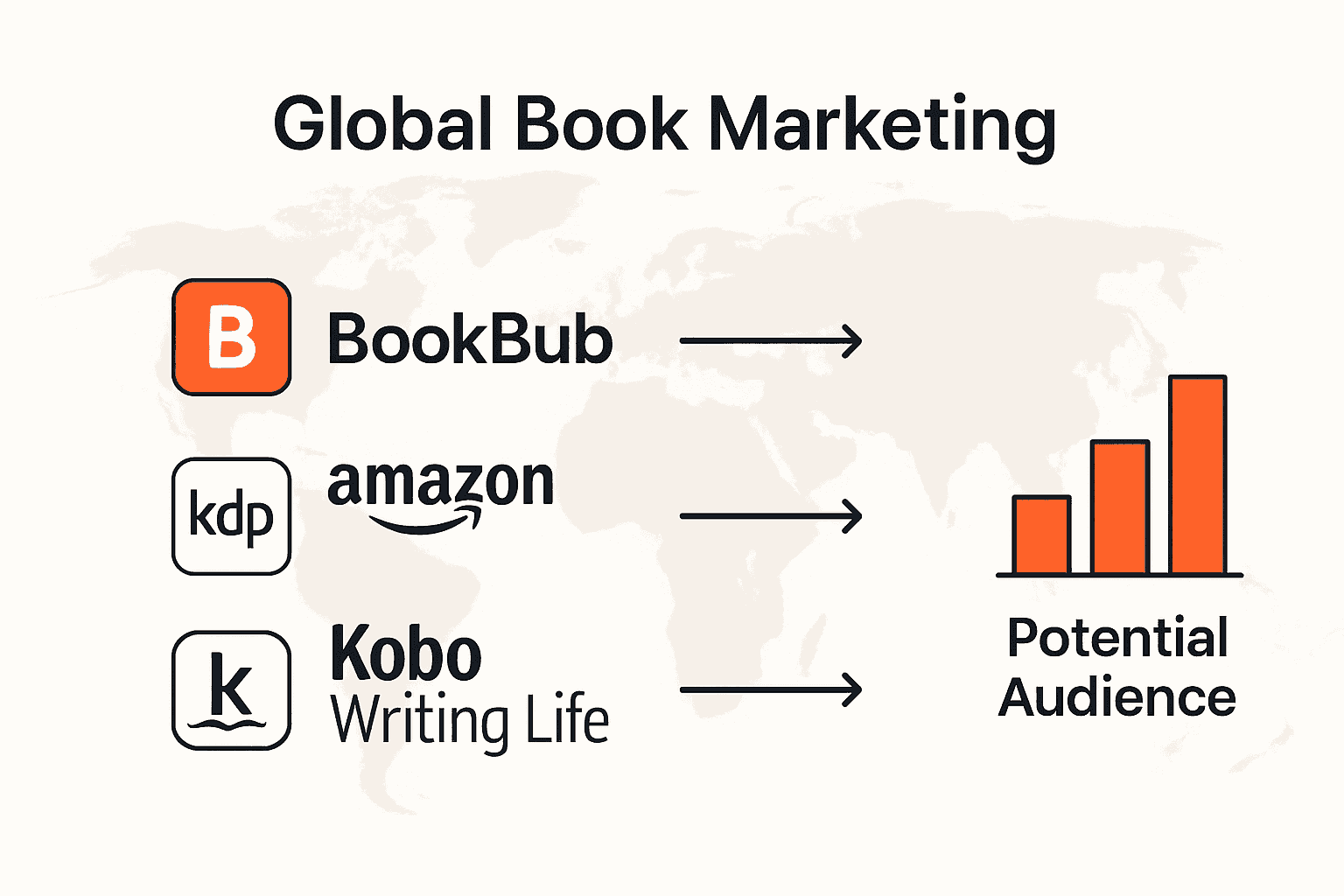 These websites connect authors directly with readers across different countries allowing you to build a truly global fan base.
In our next section we will explore how to create compelling multilingual marketing content that speaks directly to international readers.
Step 5: Track metrics and optimize marketing efforts
Transforming raw data into actionable marketing insights is how successful authors turn good books into bestsellers. Tracking the right metrics allows you to understand exactly what resonates with your readers and continuously improve your marketing strategy.
AI powered predictive analytics have revolutionized performance tracking. According to research from Nancy Rubin these advanced tools can increase email open rates by 25 to 30% and boost conversions up to 50%. This means you are not just collecting data you are gaining intelligent insights that help you make smarter marketing decisions.
Start by setting up comprehensive tracking for your email campaigns. According to KDP Kit monitoring performance of signup forms email sequences and automation is crucial. Pay attention to metrics like open rates click through rates subscriber growth and conversion rates. Each of these numbers tells a story about how effectively you are connecting with potential readers.
Pro Tip: Use UTM parameters in your marketing links to track exactly which channels and content drive the most engagement.
Dont just collect metrics analyze them strategically. Look for patterns in when readers engage most with your content. Are morning emails more effective? Do certain subject lines generate higher open rates? Do readers from specific demographics respond better to particular types of content?
Segmentation becomes your secret weapon. Break down your audience into smaller groups based on reading preferences purchasing behavior and engagement levels. This allows you to create hyper targeted marketing messages that feel personal and relevant.
Regularly review and adjust your marketing strategies based on these insights. What worked six months ago might not work today. The book marketing landscape evolves rapidly and your ability to adapt quickly will set you apart from other authors.
In our final section we will explore how to build a sustainable long term author marketing ecosystem that grows with your career.
Ready to Transform Your Book Sales Strategy for 2025?
Are you feeling overwhelmed by the challenges of building an author brand, developing a loyal global audience, and mastering complex AI marketing tools? The latest article highlighted the crucial steps to succeed in the fast-changing book market. Topics like email automation, predictive analytics, and international outreach can feel daunting without clear guidance. But you do not have to figure this out alone.
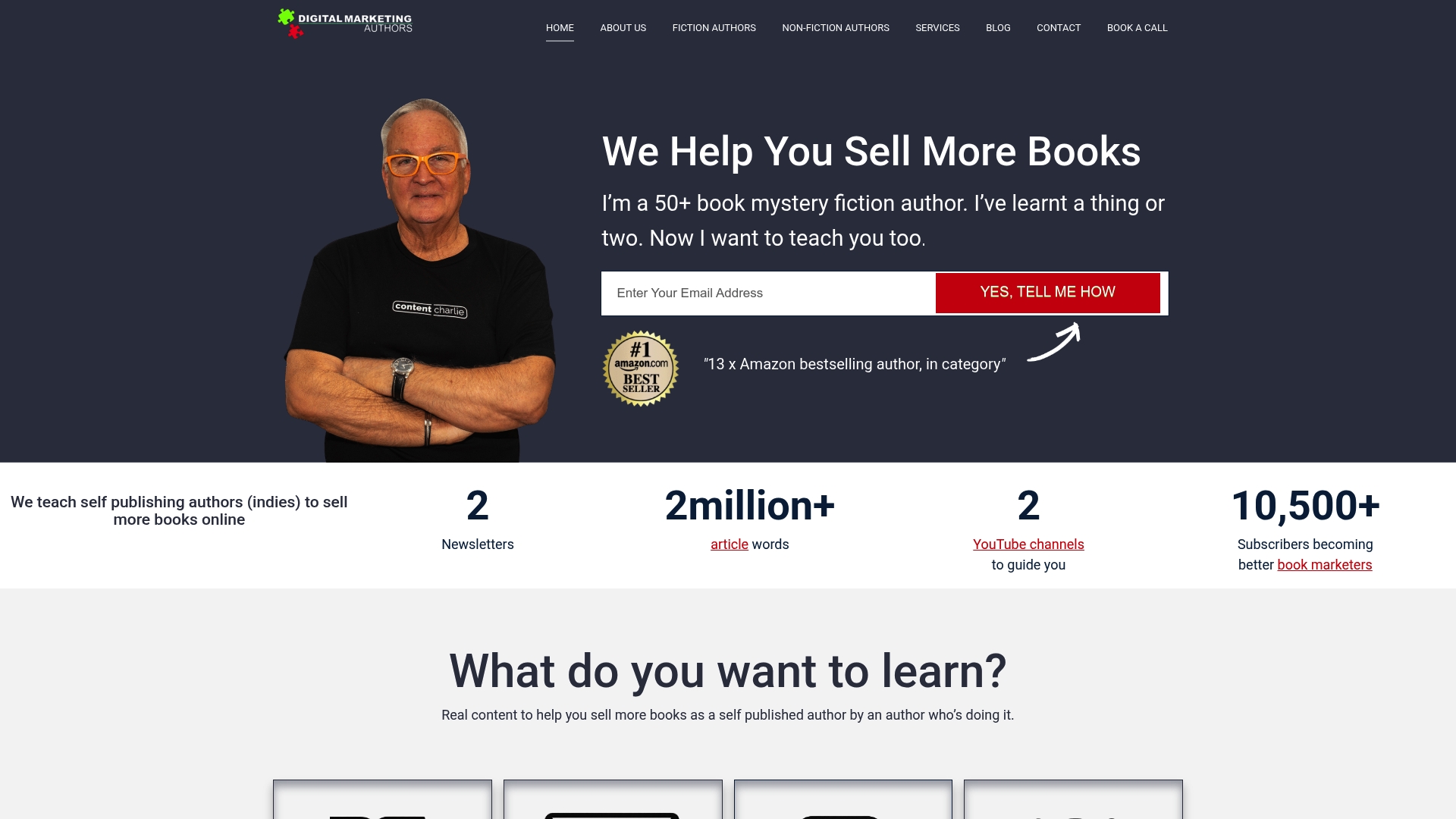
Take the next step to sell more books worldwide. Discover proven systems and hands-on support at Digital Marketing Authors, where 13x #1 Amazon bestselling author C.T. Mitchell teaches you how to automate reader list-building, leverage AI for smarter campaigns, and create a brand that truly stands out. Go beyond guesswork. Start building your enduring author business today with step-by-step training and expert resources. Don’t let another month slip by—visit Digital Marketing Authors now and gain the real competitive edge.
Frequently Asked Questions
How can I define my author brand to reach a global audience?
To define your author brand, identify the unique aspects of your writing style, core message, and visual identity. Create an audience persona document that outlines the demographics and interests of your ideal readers, focusing on how you can resonate with them globally.
What types of reader magnets work best for building my email list?
Effective reader magnets include free short stories, exclusive chapter previews, or genre-specific guides. Develop a compelling reader magnet that provides immediate value to potential subscribers, encouraging them to join your email list within days of your book’s release.
How can I effectively use AI for my book marketing campaigns?
Utilize AI tools to generate engaging content, create targeted ad campaigns, and design eye-catching graphics for your book. Start by experimenting with AI-generated ads and analyze which variations drive the most engagement, optimizing your approach over a month-long testing period.
What should I include in my international book marketing strategy?
In your international strategy, focus on diverse distribution platforms, cultural preferences, and localized marketing content. Research and adapt your book’s metadata and marketing language to resonate with different cultures, aiming for a significant increase in global visibility.
How do I track the success of my book marketing efforts?
Track engagement metrics such as email open rates, click-through rates, and subscriber growth to gauge your marketing success. Set up a review process every month to analyze this data, allowing you to refine your strategies based on what resonates best with your audience.
What are the best practices for optimizing my book’s metadata?
Optimize your book’s metadata by using relevant keywords, including those in multiple languages if targeting international readers. Review and update your metadata regularly to improve searchability and visibility across various platforms, aiming for an increase in visibility in global markets.
Recommended
- How To Sell More Books In 2018
- bestselling author strategy Archives – DigitalMarketingAuthors.com
- book marketing Archives – DigitalMarketingAuthors.com
- book marketing strategies for authors Archives – DigitalMarketingAuthors.com
- Top Content Promotion Strategies for 2025 Success
- DIY Artbook Publishing: Create Stunning Visual Collections – The Mansion Press

Best Email Marketing Tools for Authors – Expert Comparison 2025
Every writer looking to share their work faces the challenge of reaching readers and staying ahead of changing trends. There are many ways to grow an audience, build lasting relationships, or get real help with writing and publishing goals.
Some people prefer simple tools for sending emails or running promotions.
Others want expert advice, a supportive community, or new ways to connect with fans. The different options can feel overwhelming but each one brings its own style and practical benefits. Curious about which approach might fit your journey best?
Table of Contents
Digital Marketing Authors
At a Glance
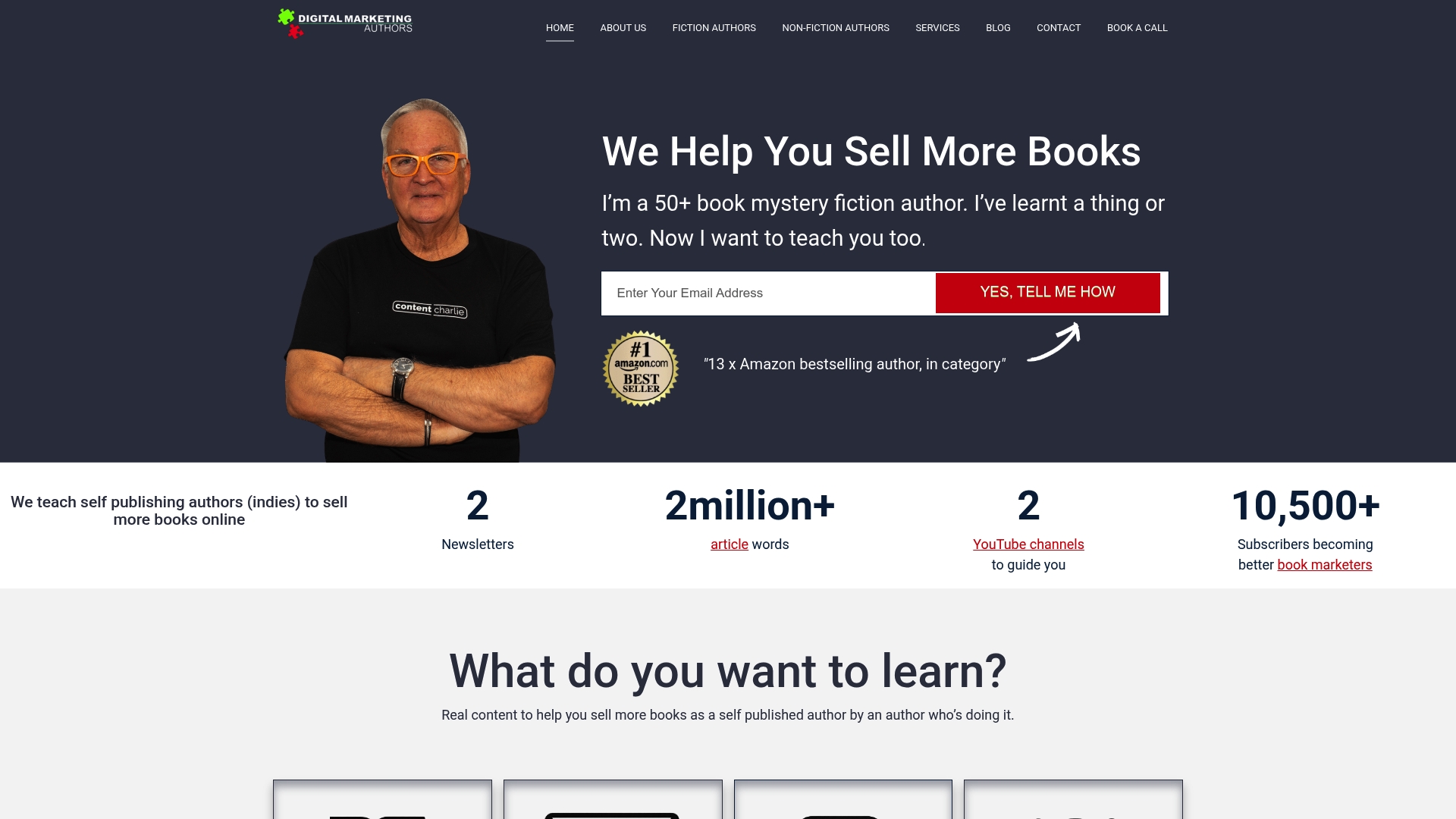
Digital Marketing Authors is a practical, author-focused resource that helps self-published writers sell more books using clear marketing methods.
Founded and led by Greg Reed, the site emphasizes email marketing, social media, and emerging AI tactics tailored for indie authors.
If you want straightforward strategies to grow a reader list and automate sales without relying on traditional publishers, this site gives actionable direction and inspiration.
Core Features
Digital Marketing Authors bundles concise, experience-driven guidance on email marketing, social media marketing, and AI marketing specifically for authors. The site teaches how to build a loyal reader community (a “reader army”), craft newsletter content that converts, and reinforce reader trust through consistent communication. Content formats include how-to articles, publishing tips, and strategic insights drawn from Greg Reed’s background as an author and marketing specialist. Note the site leans toward strategy and big-picture frameworks rather than step-by-step software tutorials or price-comparison guides, which is a deliberate focus on mindset and campaign design over product sales.
Pros
- Practical, experience-based advice: The guidance is grounded in real author experience, which means recommendations are relatable and immediately usable by working writers.
- Designed for self-publishing authors: Every tactic targets indie authors’ needs, from list-building to low-cost promotions, so you won’t waste time on irrelevant corporate marketing fluff.
- Includes modern AI marketing strategies: The site covers up-to-date approaches that help authors save time and scale outreach when used responsibly.
- Strong focus on reader trust and engagement: Emphasis on relationship-building helps authors turn casual readers into repeat buyers and long-term fans.
Who It’s For
This resource is ideal for self-published and indie authors who want to take control of their marketing. If you’re an author building your first newsletter, scaling a modest backlist, or trying to convert social followers into buyers, the site gives clear strategic direction. It’s especially useful for authors who prefer learning tactics and workflows rather than buying a single plug-and-play platform.
Unique Value Proposition
Digital Marketing Authors stands out because it translates book marketing into author-friendly tactics that actually map to publishing goals: more signups, stronger reader loyalty, and repeat sales. Unlike generic marketing blogs, every recommendation ties back to book discovery and purchase behavior. The combination of email-first thinking, social amplification, and pragmatic AI use creates a cohesive path from audience building to consistent revenue — a major advantage for independent writers who need repeatable, low-cost systems rather than one-off hacks.
Real World Use Case
An indie novelist follows the site’s newsletter templates and list-growth tips, then combines scheduled social posts with targeted email sequences. Over a few months, the author grows a mailing list, primes readers with trust-building content, and launches a discounted backlist promotion that yields measurable spikes in book sales and reviews.
Pricing
Not specified on the website.
Website: https://digitalmarketingauthors.com
MailerLite
At a Glance
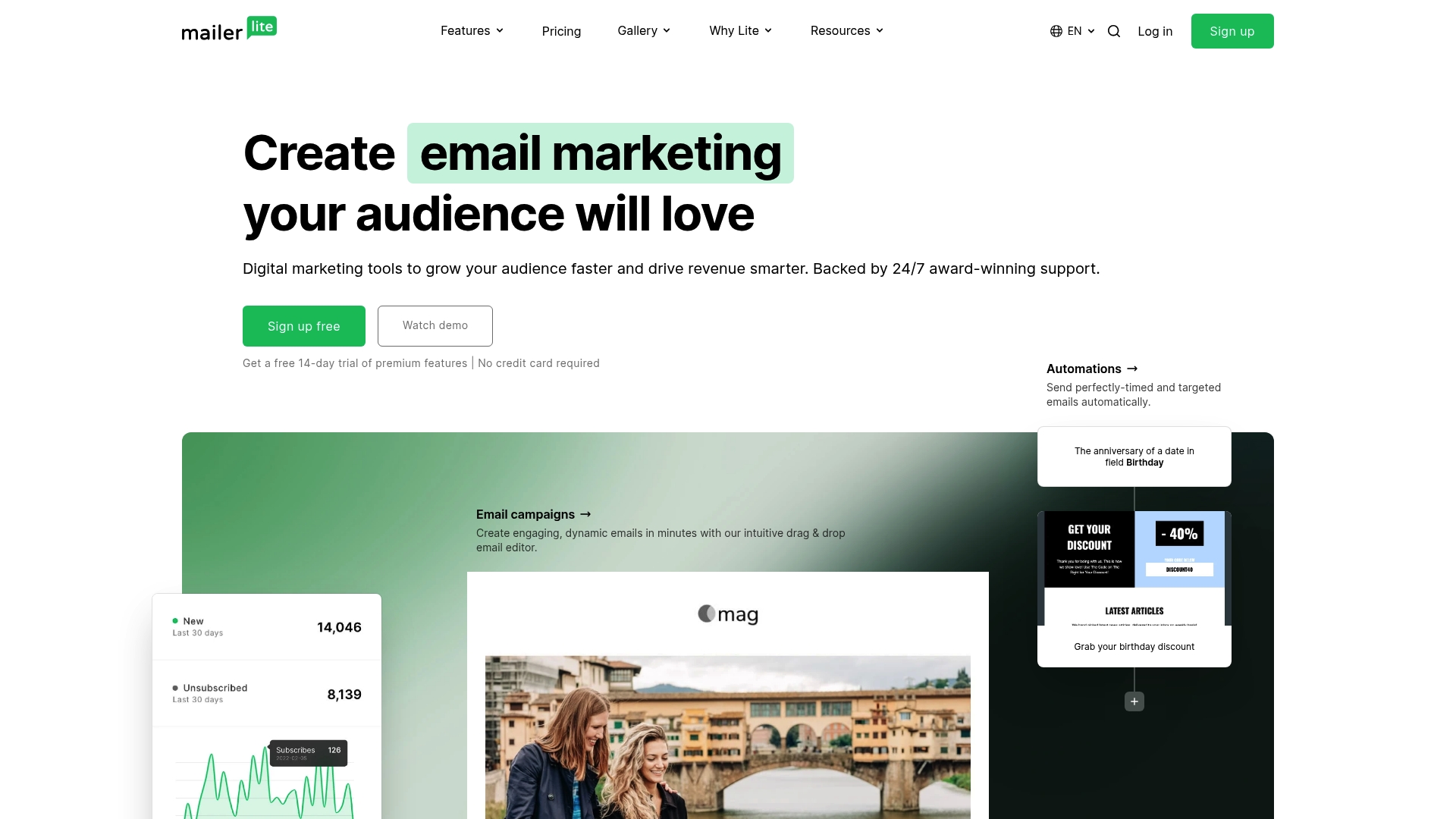
MailerLite is a clean, approachable email marketing platform built for creators, small businesses, and indie authors who want powerful features without the clutter. Its drag-and-drop editor, landing page builder, and automation tools make it easy to launch campaigns and grow a list quickly. The free tier (up to 500 subscribers) and attentive support lower the barrier for authors starting out. Expect limitations on advanced automation and subscriber caps unless you move to a paid plan.
Core Features
MailerLite combines core email marketing capabilities with website-building tools so you can run campaigns from a single dashboard. You get a drag-and-drop email editor, automations for targeted sequences, templates for emails and landing pages, signup forms and pop-ups, and tools to sell digital products and manage subscriptions. The platform also includes integrations with common web apps like Shopify and WooCommerce, A/B split testing, personalization options, and advanced analytics and reporting to track campaign performance.
Pros
- User-friendly interface: The platform’s simple, beautiful UI helps you build campaigns quickly without a steep learning curve.
- Robust automation and segmentation: MailerLite provides automation workflows and segmentation tools that let you send targeted, timely emails to different reader groups.
- Flexible plans including a free tier: You can start for free with up to 500 subscribers, which is ideal for authors testing email marketing before committing.
- Excellent customer support: The service is known for attentive support, which is helpful when you’re setting up automations or troubleshooting deliverability.
- Wide range of integrations and templates: Ready-made templates and integrations with e-commerce platforms simplify selling books or digital products directly from campaigns.
Cons
- Limited automation steps in lower-tier plans: Lower-cost plans restrict the number of automation steps available, which can hamper more complex author funnels.
- Advanced features require paid plans: Several advanced capabilities and higher subscriber limits are gated behind paid tiers, so you may outgrow the free plan quickly.
- Subscriber limit can cause automatic tier upgrades when exceeded: If your list grows past plan limits, MailerLite can trigger an automatic upgrade, which may lead to unexpected costs.
Who It’s For
MailerLite is ideal for indie authors, self-published writers, and small-to-medium creators who want a straightforward platform to build a reader list, run promotional campaigns, and sell digital products without hiring technical help. If you value ease-of-use, built-in landing pages, and a friendly support team, MailerLite fits well.
Unique Value Proposition
MailerLite’s strength is combining a clean, beginner-friendly interface with enough advanced features—like automations, landing pages, and product selling—to serve authors as they scale. The free entry point and variety of templates help you get campaigns live fast while integrations let you connect sales channels as your audience grows.
Real World Use Case
A small ecommerce store (or an indie author selling ebooks) uses MailerLite to run promotional campaigns, automate welcome and post-purchase emails, and grow its subscriber base via signup forms and landing pages—turning casual readers into repeat buyers.
Pricing
Starting at free (up to 500 subscribers); paid plans from $10/month for larger lists and more features.
Website: https://mailerlite.com
ConvertKit
At a Glance
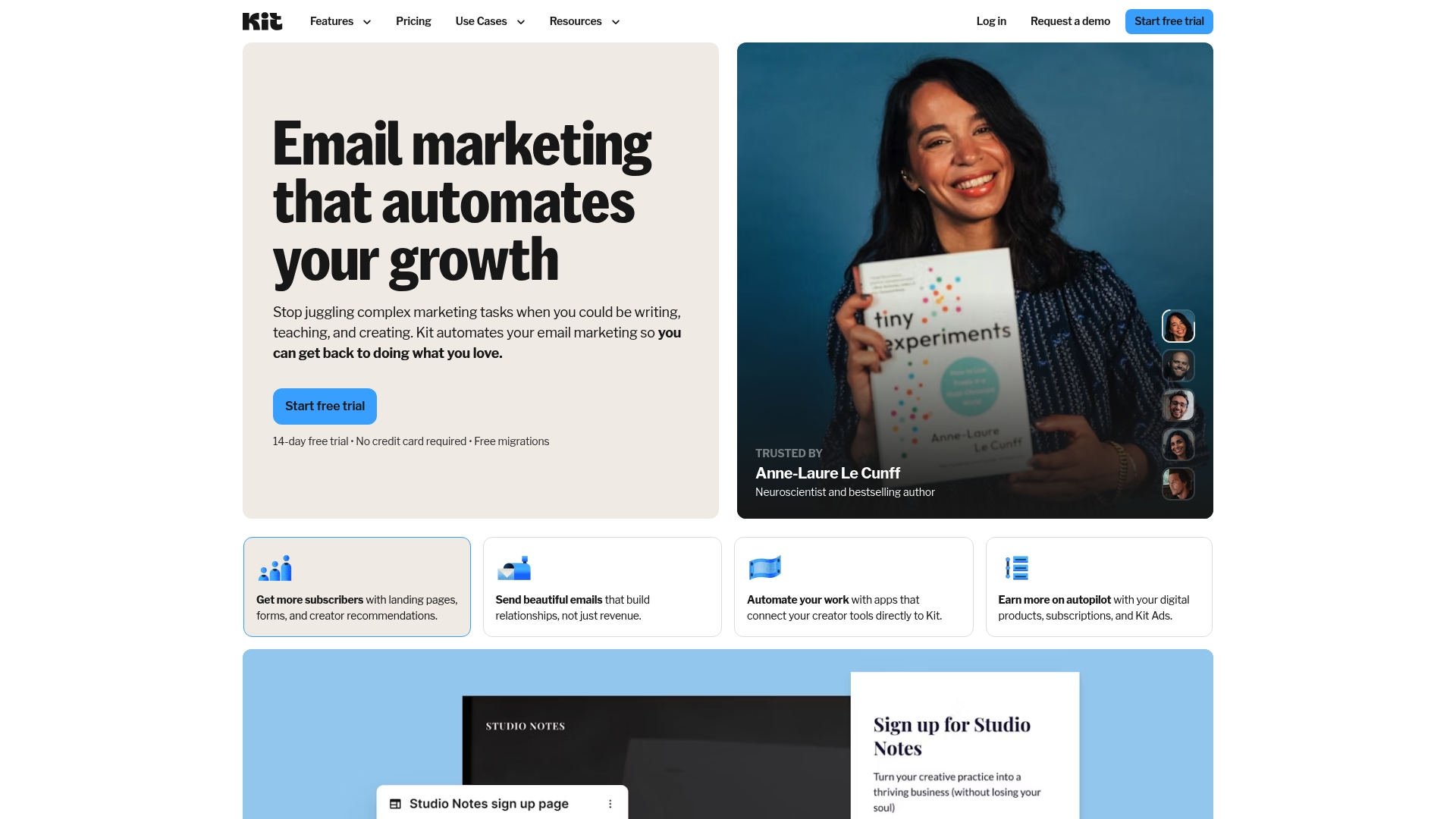
ConvertKit is an email marketing platform built for creators, authors, and small teams who want a straightforward way to grow audiences, automate outreach, and sell digital products or subscriptions. It combines landing pages, forms, tagging, and visual automations in a single interface that’s easy to pick up. If you want reliable deliverability and creator-focused monetization tools without a steep learning curve, ConvertKit is a strong, practical choice. It’s not the most customizable enterprise solution, but it gives most creators exactly what they need to build and monetize an audience.
Core Features
ConvertKit includes unlimited landing pages, forms, and email broadcasts, plus audience tagging and segmentation to organize readers. Its visual automation and email sequence builder make it simple to map onboarding and nurture flows. You can create landing pages and basic websites inside the platform and personalize messages using Liquid-style dynamic content for targeted messaging. The package is intentionally integrated so authors can switch between list growth, automation, and selling without stitching multiple tools together.
Pros
- Easy-to-use interface tailored for creators: The platform keeps common tasks simple, so you can focus on writing and audience-building rather than tool setup.
- Includes landing pages, forms, and automation tools in one platform: You won’t need separate tools to capture emails, build sequences, and host basic landing pages.
- High email deliverability rate (99.8%): Your messages are more likely to reach readers’ inboxes, which matters when every launch email counts.
- Provides free migration from other platforms: Moving your list in is less painful, helping you avoid migration friction when switching systems.
- Flexible pricing plans suitable for different sizes of creator businesses: There’s a free tier and graduated paid plans so you can scale as your list grows.
Cons
- Limited customizability compared to some larger platforms: If you need deep template control or highly specialized email layouts, ConvertKit’s design flexibility can feel constrained.
- Some advanced automation features available only in higher-tier plans: Full automation depth requires upgrading, which may surprise growing creators on a budget.
- Experience with larger or more complex businesses might find limitations in automation depth: Enterprise-level teams may hit feature ceilings as their workflows become more intricate.
Who It’s For
ConvertKit is ideal for creators, authors, educators, and small business owners who want an email tool designed around content and community. If you publish books, run newsletters, sell courses or memberships, and prefer a clean interface with built-in landing pages and monetization, ConvertKit fits well.
Unique Value Proposition
ConvertKit’s unique value is bundling creator-friendly list building, tagging, visual automations, and monetization into one platform with best-in-class deliverability. It emphasizes speed and simplicity so creators can convert attention into revenue without technical overhead.
Real World Use Case
A digital marketing coach used ConvertKit to set up automated onboarding sequences and landing pages, which helped increase their email subscribers by 100,000 through targeted forms and personalized campaigns — demonstrating how ConvertKit scales list growth and nurtures readers into buyers.
Pricing
Starting at Free plan for up to 10,000 subscribers; paid plans start at $33/month for up to 1,000 subscribers (Creator), with higher tiers adding features and subscriber limits.
Website: https://convertkit.com
Reedsy
At a Glance
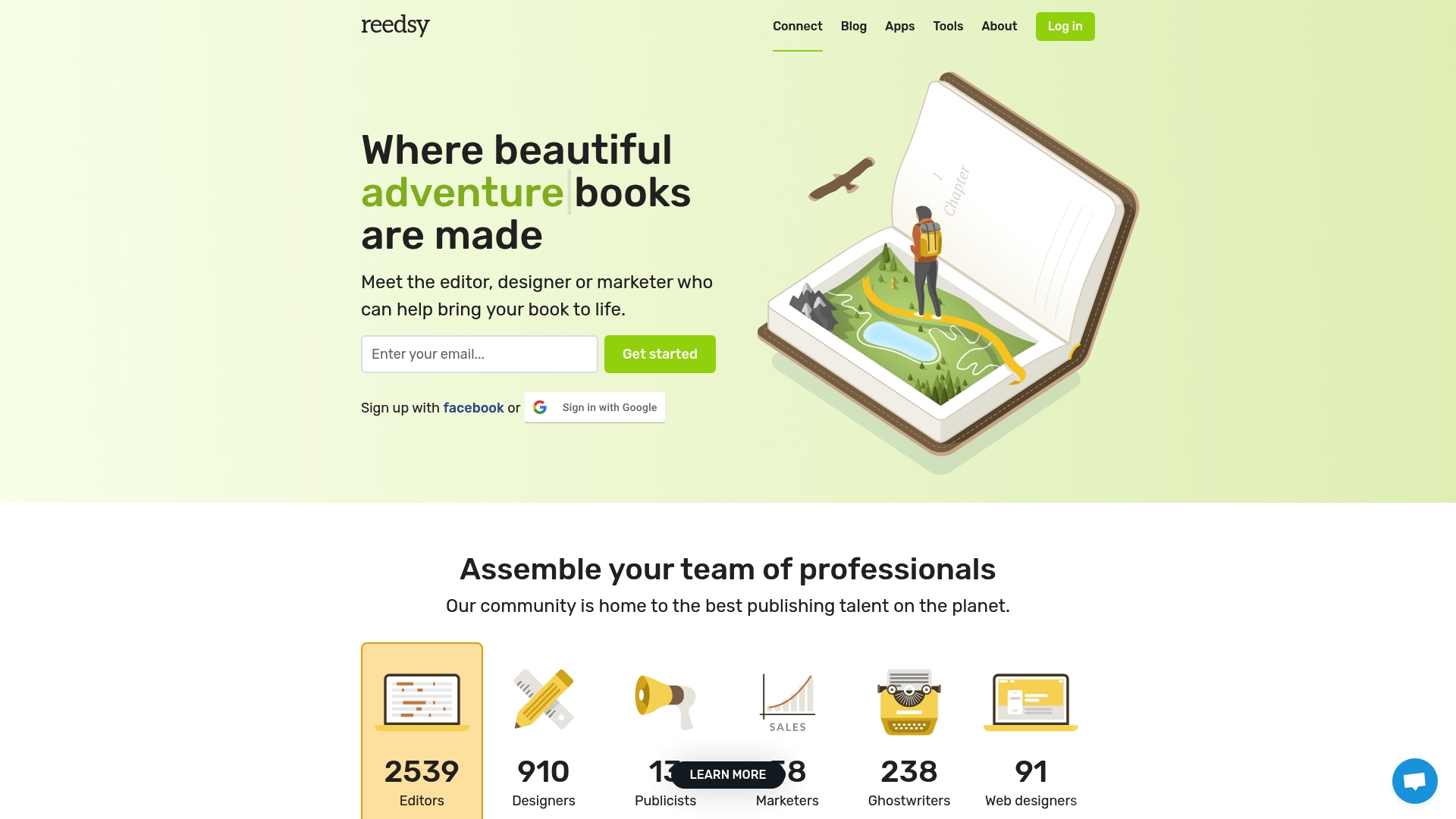
Reedsy is a curated marketplace that connects authors with professional editors, designers, marketers, publicists, and other publishing specialists. It pairs a searchable directory of vetted professionals with basic collaboration and project management tools, plus free educational courses for authors. If you need to hire specialists for specific stages of your book journey, Reedsy makes finding and managing those relationships straightforward — though you should expect to pay per service and verify quality case-by-case.
Core Features
Reedsy’s core strengths are its marketplace and the practical collaboration tools built around it. Authors can browse profiles and portfolios for editors, designers, marketers, and more, request quotes, and manage conversations and files through an integrated messaging and project management interface. The platform also offers free educational courses on writing, self-publishing, and marketing, helping authors level up while they hire professionals. In short: search, hire, and collaborate in one place, with resources to help you make informed choices.
Pros
- Access to a wide network of experienced publishing professionals: Reedsy brings many specialized roles together so you can find editors, cover designers, and marketers without hunting across multiple sites.
- Streamlined collaboration and communication tools: Built-in messaging, file sharing, and basic project management reduce the friction of working with remote freelancers.
- Educational resources for authors: Free courses on writing and publishing help you learn the process and ask smarter questions when hiring.
- Ease of finding and hiring specialists for different stages of publishing: Whether you need copyediting, a cover, or a publicity plan, you can source each role from one marketplace.
- Support for various roles including editing, design, marketing, and more: The breadth of professional categories makes Reedsy useful across an entire publishing timeline.
Cons
- Potential costs associated with hiring professionals and services: Most services are paid per project, which can add up depending on the quality and scope you choose.
- Dependence on the platform’s professional quality, which may vary: While profiles and portfolios help, the level and consistency of work can differ between freelancers.
- Limited information on pricing structures for services: Reedsy doesn’t list standardized prices, so you’ll often need to request quotes and compare proposals to understand total costs.
Who It’s For
Reedsy is ideal for authors at any stage who want professional help but prefer to manage the process themselves. Indie authors, self-publishers, and writers transitioning from traditional publishing will find it especially useful when they need vetted freelancers for discrete tasks like editing, cover design, or book marketing.
Unique Value Proposition
Reedsy combines a specialized marketplace with practical collaboration tools and educational content, making it a one-stop platform for authors who want to hire professionals while staying in control of their projects.
Real World Use Case
An author uploads a manuscript excerpt to browse editors, requests quotes from two promising candidates, hires one for a developmental edit, then contracts a cover designer and a marketing specialist through the same platform to prepare the book for launch.
Pricing
Quote-based: Pricing is not specified on the platform and typically involves paying for professional services requested through Reedsy.
Website: https://reedsy.com
Author Marketing Group™
At a Glance
Author Marketing Group™ is a membership-focused support network designed to help authors expand their reach, increase book sales, and grow their professional influence. It mixes community connection, virtual mastermind sessions, and a curated directory of marketing professionals and resources. If you want collaboration, peer feedback, and access to vetted services in one place, this group delivers a clear membership-oriented framework. However, you should be prepared to ask questions about costs and specific program outcomes before committing, since public details are high level.
Core Features
Author Marketing Group™ centers on three core capabilities: a global community for author-to-author connection and collaboration, virtual mastermind groups that provide structured learning and creative growth, and a curated collection of marketing professionals, services, platforms, and resources exclusive to members. These pieces are positioned to guide authors from idea through publication and into ongoing promotion, combining peer support with professional referral options rather than a single all-in-one software tool.
Pros
- Access to a global community for support and collaboration: Members can connect with authors and supporters worldwide to share feedback, strategies, and encouragement.
- Opportunities for growth through mastermind groups and events: Regular virtual masterminds provide structured spaces for learning, accountability, and creative development.
- Curated marketing resources and services exclusive to members: The group offers a vetted directory of professionals and platforms to help authors find targeted marketing help.
- Focus on helping authors increase impact, influence, and income: The stated mission clearly targets measurable author goals—visibility, sales, and professional growth.
- Potential for networking with professionals and other authors worldwide: The community model facilitates introductions to industry professionals and cross-promotional opportunities.
Cons
- Information provided is promotional and broad, lacking specifics on individual programs or services: The public description emphasizes benefits but does not list concrete curricula, tools, or deliverables.
- Details on costs, membership fees, or commitment are not specified: You cannot determine value or budget impact from the site alone and will need to request pricing.
- No immediate details on the scope or success stories of the group, requiring further inquiry for clarity: The absence of clear case studies or measurable outcomes makes it harder to predict how the group will perform for your specific goals.
Who It’s For
Author Marketing Group™ is best for authors and entrepreneur-authors who want community-driven support rather than a standalone email platform or do-it-yourself marketing course. If you value peer accountability, curated professional referrals, and virtual mastermind learning, this membership model fits. It’s especially useful for authors ready to invest time in networking and to follow through on collaborative marketing efforts.
Unique Value Proposition
The group’s unique offer is its blend of community accountability plus access to a curated marketing ecosystem. Instead of selling tools or single services, it packages connection, learning, and vetted referrals to help authors navigate promotion from concept to market impact.
Real World Use Case
An author joins to attend mastermind calls, receives feedback on a launch plan from peers, and hires a recommended marketing professional from the member directory to run targeted promotions—resulting in clearer strategy and coordinated outreach across channels.
Pricing
Not specified on the website.
Website: https://authormarketinggroup.com
Digital Marketing Tools for Authors Comparison
This table provides a concise summary of various digital marketing tools and resources tailored for authors. Compare features, pros, cons, and pricing to choose the right platform that fits your self-publishing and marketing needs.
| Platform | Key Features | Pros | Cons | Pricing |
|---|---|---|---|---|
| Digital Marketing Authors | Focused on email, social media, and AI strategies for authors | Practical advice, designed for self-publishing, includes AI strategies, reader engagement focus | Strategy over step-by-step guides | Not specified |
| MailerLite | Email marketing platform with drag-and-drop editor, landing pages, automations | User-friendly, robust automation, free plan for up to 500 subscribers, good support | Limited free tier automation, advanced features gated, possible unexpected cost upgrades | Free up to 500 subscribers; $10/mo+ |
| ConvertKit | Email and audience building with landing pages, forms, and automations | Easy to use, high deliverability, free migration, flexible pricing | Limited customization, some features in higher plans | Free up to 10,000 subscribers; $33/mo+ |
| Reedsy | Marketplace for hiring publishing professionals, collaboration tools | Access to publishing experts, streamlined communication, educational resources | Service costs can add up, variability in service quality | Quote-based, pricing unspecified |
| Author Marketing Group™ | Membership for author networking, masterminds, marketing resources | Global community, growth through masterminds, curated resources | Broad program details, unspecified costs, lack of clear success stories | Not specified |
An author joins to attend mastermind calls, receives feedback on a launch plan from peers, and hires a recommended marketing professional from the member directory to run targeted promotions—resulting in clearer strategy and coordinated outreach across channels.
Stop Letting Your Emails Get Ignored – Start Building Real Reader Loyalty Now
It is discouraging when your email marketing feels like it is being sent out into the void. The article “Best Email Marketing Tools for Authors – Expert Comparison 2025” highlights how indie authors struggle to transform mailing list signups into loyal book buyers and repeat fans. Many writers feel overwhelmed choosing the right platform, fall behind on automating sequences, or watch book sales stall after launches. You want a practical path from collecting emails to growing a true reader community that actually converts.
This is where Digital Marketing Authors comes in. Founded by 13x #1 Amazon bestselling author C.T. Mitchell, we teach you how to build trust and automate sales using proven email and AI strategies, just like the ones reviewed in this article. Learn how to craft engaging welcome emails, nurture true fans, and launch new books with confidence. Visit our homepage to start turning your mailing list into your most valuable asset. Ready to market smarter and sell more books right now? Take action and transform your author business today.
Frequently Asked Questions
What are the most important features to look for in email marketing tools for authors?
To effectively engage with readers, look for features like automation workflows, list segmentation, and customizable templates. These capabilities help you target specific reader groups and streamline your communication efforts.
How can I grow my email list as an author using these tools?
You can grow your email list by integrating signup forms on your website and sharing links through your social media channels. Aim for an increase of 50 to 100 new subscribers within the first month by running targeted promotions.
What strategies can I use for effective email marketing campaigns?
Consider building a welcome series for new subscribers and sending regular newsletters with exclusive content or offers. By establishing a consistent schedule, you can foster reader loyalty and boost engagement over time.
How often should I send emails to my subscribers without overwhelming them?
Generally, sending emails every 2-4 weeks is a good balance to maintain engagement without causing fatigue. Start by planning a monthly newsletter and evaluate reader feedback to adjust frequency accordingly.
What type of content should I include in my author newsletter?
Your newsletter can feature book updates, behind-the-scenes insights, reader exclusives, and links to upcoming events or promotions. Providing value in each email can help increase reader retention and interest.
How can I track the effectiveness of my email marketing campaigns?
You should monitor open rates and click-through rates to evaluate campaign success. Set measurable goals for each campaign, aiming to improve these rates by around 10-15% with consistent analysis and adjustment.