
- You are here:
- Home »
- book bloggers
Tag Archives for " book bloggers "

Influencer Marketing for Authors: Complete Guide
More than 60 percent of readers now discover new books through online personalities instead of traditional advertising, changing how authors reach their audience. As publishing grows more competitive, building real connections with readers is crucial for success. Understanding influencer marketing can empower authors to partner with credible voices, expand their visibility, and spark authentic interest in their stories.
Table of Contents
- Defining Influencer Marketing for Authors
- Types of Influencers in Book Promotion
- How Influencer Collaborations Work for Authors
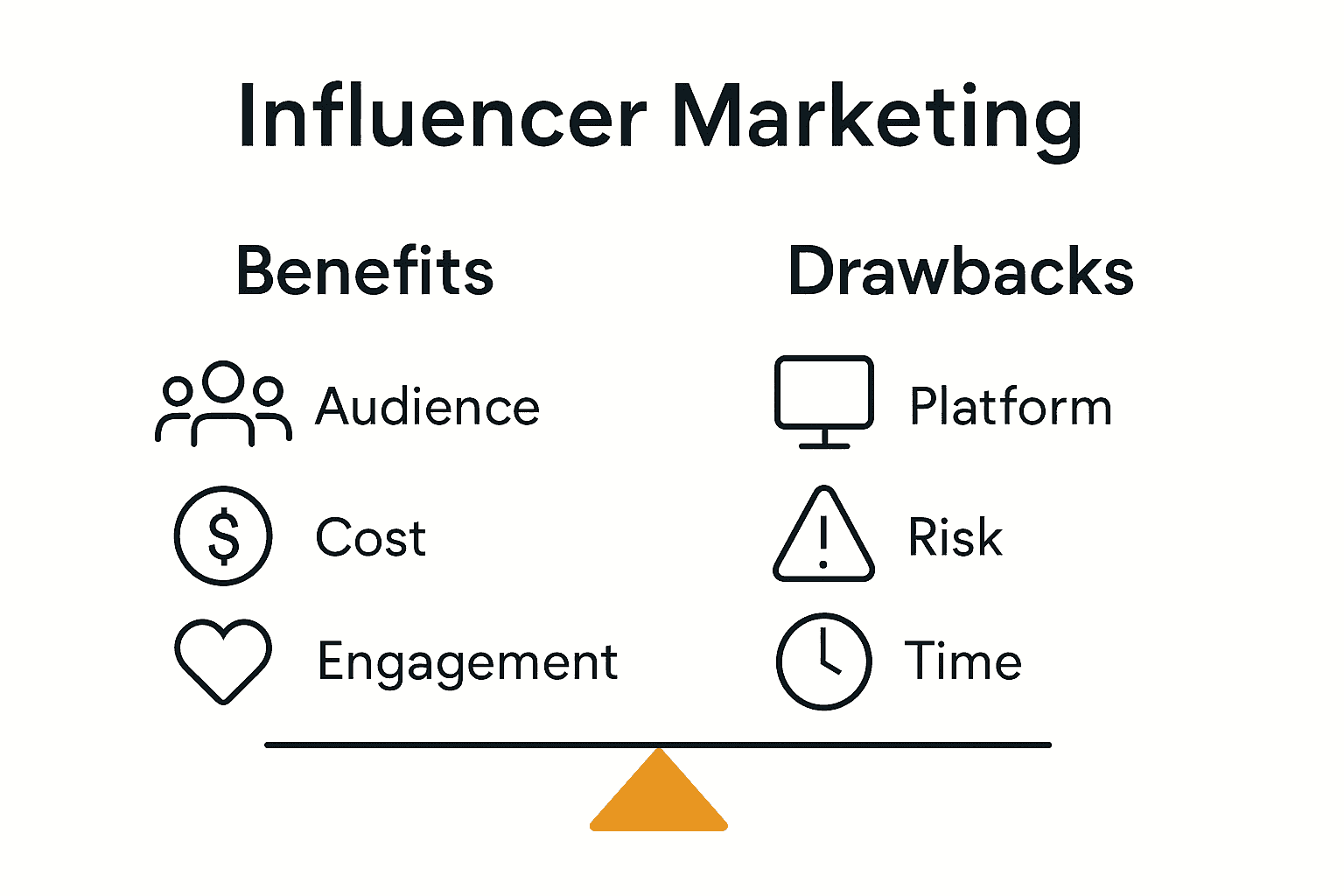
- Benefits and Drawbacks for Indie Authors
- Legal, Ethical, and Disclosure Requirements
- Avoiding Common Mistakes and Pitfalls
Key Takeaways
| Point | Details |
|---|---|
| Strategic Partnerships | Influencer marketing empowers authors to collaborate with content creators who genuinely connect with their audience, enhancing book visibility. |
| Target Audience Alignment | Successful influencer campaigns necessitate careful selection of influencers who align with the author’s target demographic and literary sensibilities. |
| Content Authenticity | Authentic recommendations from influencers lead to deeper engagement and trust from potential readers, making genuine connections crucial. |
| Legal and Ethical Compliance | Authors must adhere to legal guidelines and ethical standards in influencer partnerships to maintain transparency and audience trust. |
Defining Influencer Marketing for Authors
Influencer marketing transforms how authors connect with potential readers by leveraging individuals with established audiences and credible platforms. According to research from hmjournals.com, this marketing strategy involves collaborating with prominent individuals who can authentically promote books and build strong audience connections.
At its core, influencer marketing for authors means partnering with content creators, book reviewers, social media personalities, and literary thought leaders who can introduce your work to their engaged followers. These influencers aren’t just random promoters – they’re strategic allies who understand storytelling, reader preferences, and how to spark genuine interest in your writing.
Key Components of Author Influencer Marketing
Successful influencer partnerships typically involve several strategic approaches:
- Authentic Recommendations: Influencers who genuinely appreciate your genre and writing style
- Targeted Reach: Connecting with audiences most likely to enjoy your specific type of book
- Credible Storytelling: Creating narrative-driven content that goes beyond simple book promotion
As computational studies from arxiv.org suggest, effective influencer marketing requires nuanced research considering contextual factors. For authors, this means finding influencers who align not just numerically with your target audience, but who share similar literary sensibilities and reader engagement styles.
Ultimately, influencer marketing represents a powerful way for authors to transcend traditional promotional boundaries. Content marketing strategies for authors can amplify these efforts, creating a comprehensive approach to building readership and book sales.
Types of Influencers in Book Promotion
Book influencers represent a diverse ecosystem of content creators who can dramatically impact an author’s visibility and sales potential. From traditional book reviewers to emerging digital platforms, these influencers offer unique pathways to connect with potential readers across multiple channels.
Digital Platform Influencers
In the digital age, social media platforms have become powerful book promotion channels. Wikipedia highlights BookTok as a prime example, where TikTok users share book reviews and recommendations that can significantly influence book sales and popularize specific titles. This platform demonstrates how short-form video content can create viral book trends almost overnight.
Key Types of Book Promotion Influencers
Authors can leverage several distinct influencer categories:
Here’s a summary of common influencer types and their unique strengths for book promotion:
| Influencer Type | Platform Focus | Strengths |
|---|---|---|
| Book Bloggers | Websites & Blogs | In-depth reviews SEO impact |
| BookTubers | YouTube | Visual storytelling Wide reach |
| BookTok Creators | TikTok | Viral trends Young audiences |
| Instagram Reviewers | Visual appeal Quick engagement |
|
| Goodreads Influencers | Goodreads | Trusted reviews Reader communities |
| Podcast Hosts | Podcasts | In-depth discussions Loyal listeners |
- Book Bloggers: Long-form review specialists who provide deep literary analysis
- BookTubers: YouTube creators who create video reviews and literary discussions
- BookTok Creators: Short-form video content specialists on TikTok
- Instagram Book Reviewers: Visual content creators sharing book recommendations
- Goodreads Influencers: Community-driven reviewers with established reader followings
- Podcast Hosts: Literary discussion platforms with dedicated listener bases
When selecting influencers, authors must consider audience alignment, engagement rates, and genuine passion for their specific genre. Cross-promotion strategies for authors can help writers maximize these collaborative opportunities and expand their reader reach effectively.
Successful book promotion through influencers isn’t about sheer numbers – it’s about finding passionate storytellers who can authentically connect your work with readers who will genuinely appreciate your writing.
How Influencer Collaborations Work for Authors
Influencer collaborations transform traditional book marketing by creating authentic connections between authors and potential readers through strategic partnerships. These relationships go far beyond simple promotional transactions, developing nuanced engagement strategies that leverage the influencer’s established credibility and audience trust.
The Mechanics of Book Influencer Partnerships
Research from mdpi.com reveals how BookTubers interact with subscribers, demonstrating that successful collaborations involve multimodal content creation. This means authors can work with influencers across various formats – from video reviews and live discussions to Instagram stories and podcast features.
Collaboration Strategies
Effective influencer partnerships typically involve several key approaches:
- Advanced Screening: Identifying influencers whose audience matches your book’s target demographic
- Content Co-Creation: Developing unique, engaging content that feels natural to the influencer’s style
- Mutual Value Exchange: Ensuring both the author and influencer benefit from the collaboration
- Performance Tracking: Measuring engagement, reach, and potential book sales generated
According to research from arxiv.org, the most successful collaborations prioritize visual congruence between the author’s brand and the influencer’s content style. This alignment creates more authentic and compelling promotional experiences.
Author alliance strategies can help writers navigate these complex partnerships, turning influencer connections into powerful marketing opportunities. The goal isn’t just selling books – it’s about building lasting relationships with readers who are genuinely excited about your work.
Benefits and Drawbacks for Indie Authors
Influencer marketing presents a complex landscape for indie authors, offering tremendous opportunities alongside significant challenges. The potential to rapidly expand readership comes with nuanced considerations that require strategic navigation.
Potential Benefits for Independent Authors
Research from Wikipedia highlights how platforms like BookTok have become powerful promotional channels, enabling indie authors to reach wider audiences without traditional publishing constraints. These digital platforms democratize book discovery, allowing writers to bypass conventional marketing barriers.
Strategic Advantages and Potential Risks
Key benefits and challenges include:
- Rapid Audience Expansion: Direct access to engaged reader communities
- Cost-Effective Marketing: Lower financial investment compared to traditional advertising
- Authentic Engagement: Personal connections with potential readers
- Platform Dependency: Risk of algorithm changes impacting visibility
- Inconsistent Results: Unpredictable promotional outcomes
- Time-Intensive Management: Significant effort required to maintain relationships
According to computational research from arxiv.org, indie authors must develop sophisticated methodologies for evaluating influencer performance.
 This involves carefully tracking engagement metrics, understanding audience alignment, and maintaining realistic expectations about collaboration outcomes.
Publishing independence strategies can help authors balance these complex dynamics, transforming potential challenges into strategic opportunities for building sustainable author brands.
Legal, Ethical, and Disclosure Requirements
Influencer marketing for authors demands rigorous adherence to legal and ethical standards that protect both content creators and their audiences. Transparency isn’t just a recommended practice – it’s a fundamental requirement in building trust and maintaining professional integrity.
Disclosure and Transparency Guidelines
According to research from the Journal of Public Policy & Marketing, marketing collaborations must prioritize clear communication about the nature of promotional relationships. For authors, this means explicitly disclosing any financial arrangements, free book copies, or potential conflicts of interest in influencer partnerships.
Key Legal and Ethical Considerations
Authors must navigate several critical compliance areas:
- Financial Transparency: Clearly indicate sponsored content or paid promotions
- Intellectual Property Rights: Ensure proper attribution and usage permissions
- Platform-Specific Regulations: Follow individual social media platform guidelines
- Authentic Representation: Maintain genuine enthusiasm and honest recommendations
- Audience Protection: Avoid misleading or manipulative marketing tactics
The landscape of ethical publishing requires constant vigilance. As Wikipedia highlights, unethical practices can undermine scholarly communication and reader trust, making transparent marketing crucial for long-term success.
Author brand growth strategies can help writers develop robust, ethical marketing approaches that respect both legal requirements and audience expectations. The goal is creating genuine connections, not exploitative promotions.
Avoiding Common Mistakes and Pitfalls
Influencer marketing for authors requires strategic navigation through complex promotional landscapes. Success demands more than simply connecting with popular content creators – it requires sophisticated understanding of potential missteps that can derail collaborative efforts.
Strategic Error Prevention
Research from Celebrity Studies highlights the critical importance of understanding nuanced interactions between authors and influencers. The most common mistakes often stem from misaligned expectations, inappropriate partnership selections, and inadequate communication strategies.
Critical Pitfalls to Avoid
Key mistakes indie authors frequently encounter include:
- Mismatched Audience Alignment: Partnering with influencers whose followers don’t match your book’s demographic
- Inauthentic Collaborations: Forcing relationships that feel transactional rather than genuine
- Unclear Performance Metrics: Failing to establish concrete collaboration goals
- Inconsistent Brand Representation: Allowing influencers to misrepresent your author brand
- Neglecting Legal Compliance: Overlooking disclosure and contractual requirements
According to computational research from arxiv.org, emerging technologies like generative AI are transforming marketing landscapes, emphasizing the need for ethical compliance and strategic human-technology collaboration. Authors must remain adaptable and informed about evolving marketing dynamics.
Email marketing strategies can complement influencer efforts, providing additional channels to mitigate potential promotional risks and create more comprehensive outreach approaches.
Unlock the Full Potential of Influencer Marketing for Your Author Brand
If you are struggling to build authentic connections with readers or feeling overwhelmed by the complex influencer landscape described in “Influencer Marketing for Authors: Complete Guide,” you are not alone. Many indie authors face challenges like finding the right influencers who truly align with their genre, managing collaborations that feel genuine, and navigating legal and ethical requirements. You want to grow your audience, boost book sales, and build lasting reader relationships without wasting precious time or money on trial and error.
At Digital Marketing Authors, founded by 13x #1 Amazon bestselling author C.T. Mitchell, we specialize in helping authors like you master influencer marketing and integrate it with powerful digital strategies. From crafting targeted influencer collaborations to leveraging AI tools that amplify your reach and automate your email marketing, our proven systems empower you to market smarter, sell faster, and scale your readership worldwide.
Don’t let the complexities of influencer marketing hold your author career back. Visit Digital Marketing Authors now to explore our game-changing strategies and start transforming your book promotion. When you combine authentic influencer partnerships with expert marketing guidance, success is within reach. Take control of your author brand and watch your audience grow today.
Frequently Asked Questions
What is influencer marketing for authors?
Influencer marketing for authors involves collaborating with content creators, book reviewers, and social media personalities to promote books to their engaged audiences, helping authors connect with potential readers authentically.
How do I find the right influencers for my book?
To find the right influencers, analyze their audience demographics, engagement rates, and alignment with your book’s genre and themes. Look for influencers who have a genuine passion for storytelling and a strong connection with their followers.
What are the benefits of collaborating with book influencers?
Collaborating with book influencers can provide rapid audience expansion, cost-effective marketing solutions, authentic engagement with potential readers, and increased visibility without traditional publishing constraints.
What legal and ethical considerations should I keep in mind when working with influencers?
When working with influencers, ensure financial transparency, proper attribution of intellectual property, adherence to platform-specific regulations, and maintain authentic representation in your marketing efforts.
FREE Resource – Build Your Reader Army
Download Reader Army Growth Free
Recommended
- Digital Marketing for Authors Guide: Boost Book Sales Fast – DigitalMarketingAuthors.com
- TikTok for authors Archives – DigitalMarketingAuthors.com
- writing journey Archives – DigitalMarketingAuthors.com
- social media marketing for writers Archives – DigitalMarketingAuthors.com
- 7 Top Digital Trends 2025 You Must Know for Growth

7 Essential Types of Book Marketing Every Author Should Know
Did you know that over 70 percent of readers discover new authors through digital channels? In a world where your next fan could be scrolling on their phone, mastering book marketing is no longer an option, it is the difference between being seen and being overlooked. Whether you are just starting out or looking to grow your presence, the right strategies can help you build loyal readers, boost your visibility, and turn your passion into a thriving author brand.
Quick Summary
| Takeaway | Explanation |
|---|---|
| 1. Build an authentic author brand on social media. | Utilize platforms where your readers are active. Focus on quality content that reflects your personality and writing journey. |
| 2. Cultivate a dedicated email reader list. | Treat your email list as a personal community. Offer valuable content to engage and connect with readers directly. |
| 3. Optimize your Amazon metadata for visibility. | Use precise keywords and compelling descriptions to help readers discover your book among many options. |
| 4. Generate genuine book reviews for trust. | Focus on authentic feedback from readers. Utilize strategies like advance copies and engaging with book communities to build trust. |
| 5. Leverage AI tools to automate marketing tasks. | Use AI as an assistant for content generation and data analysis, but maintain your unique voice in marketing efforts. |
Table of Contents
- Social Media Marketing For Author Branding
- Email Marketing To Build Loyal Reader Lists
- Amazon Optimization For Increased Book Visibility
- Leveraging Book Review Strategies For Trust
- Paid Advertising To Drive Book Sales Fast
- Collaboration And Cross-Promotion With Other Authors
- Using Ai Tools For Smarter Book Marketing Automation
1. Social Media Marketing for Author Branding
Social media is no longer optional for authors. It’s a powerful platform to build your brand, connect with readers, and transform casual followers into dedicated fans.
Your author brand transcends book sales. It represents your unique voice, writing style, personality, and the emotional connection you create with readers. Social media platforms like Instagram, Twitter, and Facebook offer unprecedented opportunities to showcase who you are beyond your written work.
Building an authentic social media presence requires strategic thinking. Start by selecting platforms where your target readers spend time. A fiction romance writer might find more engagement on Instagram, while a technical nonfiction author could thrive on LinkedIn. Choose quality over quantity.
Content strategy matters more than follower count. Share behind the scenes glimpses of your writing process, book research, personal inspirations, and character development. Learn more about creating a magnetic author brand that keeps readers coming back.
Effective author social media marketing involves:
- Consistent posting schedule
- Authentic storytelling
- Engaging visual content
- Direct interaction with followers
- Sharing relevant industry insights
Remember readers want connection. They want to know the human behind the books. Show your personality. Be genuine. Share your writing struggles, celebrate your wins, and create a community that feels personally invested in your journey.
Pro tip: Invest time in understanding each platform’s unique audience and content style. What works on TikTok will differ dramatically from LinkedIn. Tailor your approach accordingly.
2. Email Marketing to Build Loyal Reader Lists
Your email list represents the most powerful marketing asset an author can develop. Unlike social media platforms where algorithms control visibility, an email list gives you direct communication with readers who genuinely want to hear from you.
Building a reader list is about quality over quantity. You want passionate readers who are excited about your writing journey and upcoming books. Think of your email list as a private community where fans feel personally connected to your work.
Start by creating an irresistible lead magnet something that provides genuine value. This could be a free short story, exclusive chapter preview, character backstory, or writing resource that aligns with your book genre. Explore advanced strategies for building your reader list and convert casual readers into dedicated fans.
Effective email marketing for authors involves:
- Consistent communication
- Personalized content
- Exclusive reader rewards
- Transparent relationship building
- Strategic book launch announcements
Your email content should feel like a personal conversation. Share writing updates, behind the scenes glimpses, character inspirations, and book research journeys. Readers want to feel invested in your creative process.
Pro tip: Segment your email list based on reader interests. A fantasy writer might create different tracks for hardcore fantasy fans versus casual genre readers. Personalization increases engagement and loyalty.
Remember email marketing is a relationship building tool. Treat your subscribers like valued friends. Be authentic. Be generous. And most importantly be the storyteller they cannot wait to hear from.
3. Amazon Optimization for Increased Book Visibility
Amazon is not just a bookstore. It is a sophisticated search engine where strategic optimization can mean the difference between becoming a bestseller or remaining undiscovered. Your book’s success depends on understanding Amazon’s complex algorithm and positioning your work strategically.
Metadata is your secret weapon. Every single detail from your book title and subtitle to keywords and categories can dramatically impact your discoverability. Think of metadata as the digital GPS that helps readers find your book among millions of competing titles.
Explore advanced book promotion tactics that can transform your Amazon presence. Your goal is to signal to Amazon’s algorithm that your book is relevant and engaging.
Key strategies for Amazon optimization include:
- Selecting precise book categories
- Writing compelling book descriptions
- Using all 7 available keyword slots
- Encouraging genuine reader reviews
- Maintaining consistent book pricing
Your book cover is your first marketing weapon. Professional design signals quality and attracts potential readers scrolling through search results. A great cover communicates genre, mood and promises the reading experience potential buyers can expect.
Understand Amazon’s ranking system. The more books you sell within a short timeframe the higher you climb in category rankings. This visibility creates a powerful snowball effect where increased visibility leads to more sales.
Pro tip: Update your book metadata periodically. Amazon algorithms change and so do reader search patterns. Stay flexible and willing to experiment with different keyword combinations and category placements.
4. Leveraging Book Review Strategies for Trust
Book reviews are the digital currency of reader trust. Potential readers scan reviews before making purchasing decisions a critical factor that can make or break your book’s success.
Authentic reviews are more valuable than paid endorsements. Readers can quickly spot manufactured praise. Your goal is to cultivate genuine feedback from readers who truly connected with your work. Discover effective strategies to build reader trust quickly and transform casual readers into loyal fans.
Reviews serve multiple purposes beyond social proof. They provide valuable feedback about your writing, help Amazon’s recommendation algorithms, and signal credibility to potential readers. A book with multiple thoughtful reviews looks more professional and trustworthy.
Strategies for generating authentic book reviews include:
- Offering advance reader copies
- Engaging with book blogger communities
- Creating a simple review request process
- Targeting readers in your specific genre
- Encouraging honest feedback
Never purchase fake reviews. Amazon regularly purges artificial reviews and can penalize authors who attempt to game the system. Authentic connections matter more than inflated numbers.
Reach out to readers who have enjoyed similar books in your genre. Book review groups on Goodreads social media platforms and specialized reader forums can be excellent resources for finding genuine reviewers.
Pro tip: Make leaving a review as easy as possible. Provide direct links. Write clear instructions. Show appreciation for every single review readers take time to write.
5. Paid Advertising to Drive Book Sales Fast
Paid advertising represents a powerful accelerator for book sales when executed strategically. Unlike organic marketing which builds slowly paid advertising allows authors to reach targeted readers rapidly and precisely.
Targeted advertising is about smart spending not massive budgets. You do not need thousands of dollars to create effective book promotions. Explore advanced book advertising techniques that maximize your return on investment.
The most effective platforms for book advertising include Facebook Ads Amazon Ads BookBub Ads and targeted social media campaigns. Each platform offers unique advantages for different book genres and reader demographics.
Effective paid advertising strategies involve:
- Precise audience targeting
- Compelling visual creatives
- Clear call to action messaging
- Tracking and analyzing performance
- Continuous campaign refinement
Understand your target reader deeply. What are their interests? What other books do they read? What online communities do they frequent? The more precisely you can define your audience the more efficient your advertising spend becomes.
Start with small test budgets. Most platforms allow you to spend as little as five dollars per day. Experiment with different ad variations track your results and double down on what works. Successful advertising is about continuous learning and optimization.
Pro tip: Create multiple ad variations to test different images copy and targeting. What resonates with romance readers might not work for science fiction fans. Be willing to pivot quickly based on real data.
6. Collaboration and Cross-Promotion with Other Authors
Authors are not competitors. They are potential allies in a collaborative ecosystem where mutual support can exponentially expand reader reach. Cross promotion transforms individual marketing efforts into a powerful network of shared opportunities.
Strategic author collaboration multiplies your visibility. Explore innovative cross-platform promotion strategies that can transform your book marketing approach and connect you with broader audiences.
Think beyond traditional networking. Modern author collaboration involves creative exchange of reader audiences platforms and marketing resources. Your fellow genre writers are not rivals they are potential partners in building a robust reading community.
Effective collaboration strategies include:
- Joint newsletter features
- Bundled book promotions
- Shared social media takeovers
- Collaborative podcast or video interviews
- Anthology or boxset contributions
Target authors writing in similar genres or complementary writing styles. A science fiction writer might collaborate with a technology blogger. A romance novelist could partner with writers exploring relationship dynamics.
Reach out professionally. Offer genuine value. Show how collaboration benefits both parties. Be specific about what you bring to the partnership. Demonstrate your understanding of their audience and brand.
Pro tip: Build relationships before you need them. Engage authentically in author communities. Comment on their posts. Share their work. Genuine connections create natural collaborative opportunities.
7. Using AI Tools for Smarter Book Marketing Automation
Artificial intelligence is transforming book marketing from a time consuming manual process into a streamlined strategic approach. AI tools can help authors work smarter not harder by automating repetitive tasks and providing data driven insights.
AI is your marketing assistant not a replacement for human creativity. Learn advanced strategies to automate book sales and reclaim hours of productive writing time.
Modern AI tools can assist authors in multiple marketing dimensions. They can generate social media content analyze reader demographics craft targeted email sequences and even predict potential book market trends.
Practical AI marketing applications include:
- Content generation for social posts
- Personalized email marketing
- Audience segmentation
- Predictive sales analytics
- Targeted advertising optimization
Start with user friendly AI tools that integrate seamlessly into your existing marketing workflow. Experiment with generative AI for creating book descriptions social media captions and newsletter content. But always review and personalize the output to maintain your unique voice.
Understand that AI is a tool for enhancement not a complete replacement for human creativity. Your personal storytelling authentic connection and unique perspective remain the core of successful book marketing.
Pro tip: Treat AI as your marketing assistant. Use it to generate ideas draft initial content and provide strategic insights. Your human touch transforms AI generated content into something truly compelling.
Below is a comprehensive table summarizing the key strategies and considerations for author branding and marketing through various digital platforms discussed in the article.
| Topic | Strategies & Implementation | Benefits/Outcomes |
|---|---|---|
| Social Media Marketing | Select platforms based on target audience; Focus on authentic content like writing process and storytelling. | Build author brand; Connect with readers; Create engaged fanbase. |
| Email Marketing | Develop quality email list; Use lead magnets like free stories; Segment list for personalized content. | Direct communication with fans; Build loyalty; Higher engagement. |
| Amazon Optimization | Use metadata precisely; Select accurate categories; Keep book covers professional. | Increase book visibility; Improve discoverability; Boost sales rankings. |
| Book Review Strategies | Offer advance copies; Engage with book bloggers; Simplify review requests. | Gain reader trust; Enhance credibility; Better Amazon recommendations. |
| Paid Advertising | Target audience precisely; Use compelling creatives; Test ad variations. | Rapid reach to readers; Increase book sales; Optimize ad spend efficiency. |
| Collaboration | Partner with authors in similar genres; Joint promotions and newsletters. | Expand audience reach; Mutual promotion benefits; Community building. |
| AI Tools for Marketing | Automate tasks like content generation; Analyze reader data; Optimize advertising. | Save time; Data-driven insights; Enhance strategies with AI. |
Turn Book Marketing Knowledge into Real Sales and Loyal Readers
Are you feeling overwhelmed by all the moving parts of modern book marketing? You are not alone. Many authors struggle to build an authentic online presence, grow a loyal reader list, and get discovered on platforms like Amazon. The article highlights essential but complex areas such as social media branding, email marketing, Amazon optimization, and AI-powered automation. Without a proven system, the process can feel intimidating and time-consuming.
Take the next step and experience what focused, expert-backed support can do for your author career.
If you are ready to automate book sales, grow a passionate readership, and master everything from book promotion tactics to AI tools, now is your chance. Join other successful indie authors who have learned the secrets at Digital Marketing Authors. Visit our home page today and start building the profitable author brand you deserve.
Frequently Asked Questions
What types of social media marketing should I use for my author brand?
Effective social media marketing for your author brand includes platforms where your target readers engage, such as Instagram for fiction or LinkedIn for nonfiction. Start by identifying the platform that best suits your audience and create a consistent posting schedule to share insights about your writing process and personal journey.
How can I build an email list to connect with my readers?
Building an email list involves creating a valuable lead magnet, like a free short story or exclusive content, to encourage sign-ups. Aim to gather 100 passionate subscribers by offering regular updates and personal insights that make them feel part of your writing journey.
What are the best strategies for optimizing my book on Amazon?
To optimize your book on Amazon, focus on detailed metadata including your title, keywords, and categories. Revise your book’s description to highlight compelling elements that will draw readers in, updating this periodically to improve discoverability.
How can I generate authentic book reviews from readers?
You can generate authentic book reviews by offering advance reader copies to targeted audiences and simplifying the review process with clear instructions. Engage with specific reader communities to reach individuals who are likely to resonate with your work and ask for honest feedback.
What should I consider when using paid advertising for my book?
When using paid advertising, focus on precise audience targeting and compelling visuals to draw attention. Start with a small test budget, spending as little as five dollars a day, and analyze which variations yield the best engagement to refine your approach continuously.
How do I collaborate with other authors for cross-promotion?
To collaborate with other authors, identify those who write in similar genres and propose ideas for joint promotions like shared email newsletters or social media takeovers. Build genuine relationships by engaging with their content, which will make your collaboration proposal more appealing.
Recommended
- book marketing strategies for authors Archives – DigitalMarketingAuthors.com
- book marketing steps Archives – DigitalMarketingAuthors.com
- book marketing guide Archives – DigitalMarketingAuthors.com
- book marketing checklist Archives – DigitalMarketingAuthors.com
- 7 Content Curation Strategies Every Business Owner Needs – My Blog