
- You are here:
- Home »
- metadata optimization
Tag Archives for " metadata optimization "

Book Preorder Strategies Explained: Complete Guide
Did you know that authors who use preorders can see up to 30 percent more sales during their book’s launch week? Preorder campaigns are quickly becoming a favorite strategy because they help writers build excitement, measure interest, and earn revenue before release day. By learning how effective preorders work, authors can improve their book’s visibility and connect with readers months before the first copy ships.
Table of Contents
- Defining Book Preorders And Their Benefits
- Types Of Preorder Campaigns For Authors
- Step-By-Step Process For Preorder Success
- Leveraging Email, Social, And AI Tools
- Risks, Costs, And Common Preorder Mistakes
Key Takeaways
| Point | Details |
|---|---|
| Strategic Preorders | Book preorders help authors generate early sales, create buzz, and improve visibility on platforms like Amazon. |
| Campaign Types | Authors can utilize various campaign types including direct platform preorders and social media blitzes to maximize engagement. |
| Marketing Execution | Effective preorder strategies rely on compelling metadata, exclusive incentives, and a multi-channel marketing approach. |
| Avoiding Pitfalls | Common mistakes such as poor timing and inadequate audience targeting can undermine preorder success; authors should navigate these risks carefully. |
Defining Book Preorders and Their Benefits
A book preorder represents a strategic marketing approach where readers can purchase and reserve a book before its official release date. This powerful technique allows authors to generate excitement, build anticipation, and secure advanced sales that can significantly impact initial book rankings and visibility.
Book preorders offer multiple strategic advantages for authors. According to the University of California Press, effective preorder campaigns leverage critical metadata like precise publication dates, compelling book descriptions, and targeted keywords to optimize online discoverability. These advanced sales not only help authors gauge reader interest but also provide crucial momentum for launch week performance.
Key benefits of book preorders include:
- Generating early revenue before official publication
- Creating buzz and anticipation around your upcoming release
- Potentially improving initial book rankings on platforms like Amazon
- Providing authors with early sales data and reader engagement metrics
- Allowing readers to secure their copy in advance of the official launch
For independent authors, preorders represent more than just a sales strategy. They are a powerful tool for building reader engagement and creating a sense of community around your upcoming book. Book launch strategies can be significantly enhanced by implementing a well-planned preorder campaign that connects directly with your target audience.
Types of Preorder Campaigns for Authors
Authors can leverage several strategic preorder campaign types to maximize book visibility and reader engagement. These campaigns range from direct platform-based approaches to more complex multi-channel marketing strategies designed to build anticipation and drive early sales.
According to the Self-Publishing Advice Center, independent authors have multiple promotional avenues to explore. Platform-exclusive preorders typically involve focusing on specific retail channels like Amazon KDP, where authors can offer early purchase options with special incentives. These campaigns often include limited-time pricing, exclusive bonus content, or signed edition opportunities to entice early buyers.
Key preorder campaign strategies include:
Here’s a comparison of popular preorder campaign types for authors:
| Campaign Type | Key Features | Best For |
|---|---|---|
| Direct Platform Preorders | Platform exclusivity Easy setup |
Wide reach Amazon focus |
| Email List Campaigns | Personalized offers Direct connection |
Engaged audiences |
| Social Media Preorder Blitz | Viral potential Short-term buzz |
Brand building |
| Influencer Partnership | Third-party endorsement Wider exposure |
Niche audiences |
| Early Bird Discount Campaign | Limited-time pricing Urgency creation |
Value-driven readers |
- Direct Platform Preorders: Using Amazon, Barnes & Noble, and other book retailer platforms
- Email List Campaigns: Targeting existing readers with exclusive preorder opportunities
- Social Media Preorder Blitz: Creating time-limited promotional events across digital channels
- Influencer Partnership Preorders: Collaborating with book reviewers and content creators
- Early Bird Discount Campaigns: Offering reduced pricing for readers who preorder early
For authors seeking comprehensive marketing approaches, book marketing strategies for authors can provide additional insights into creating successful preorder campaigns that connect meaningfully with your target audience and drive initial book sales.

Step-by-Step Process for Preorder Success
Successful book preorder campaigns require meticulous planning and strategic execution. Authors must approach their preorder strategy as a comprehensive marketing journey that begins months before the actual book launch, carefully crafting each stage to maximize reader engagement and potential sales.
According to the University of California Press, the foundation of any successful preorder campaign starts with compelling metadata. This includes creating an attention-grabbing book description, selecting strategic keywords, and ensuring all publication details are accurate and enticing. Research indicates that authors who invest time in developing high-quality metadata significantly improve their book’s online discoverability and potential for early sales.
The comprehensive preorder process typically involves these critical steps:
- Develop Compelling Book Metadata: Create an irresistible book description
- Build Anticipation: Start promoting 3-6 months before release date
- Create Exclusive Preorder Incentives: Design special bonuses for early buyers
- Leverage Multiple Marketing Channels: Utilize email, social media, and author networks
- Track and Adjust: Monitor preorder performance and adapt strategies
Independent authors looking to refine their marketing approach can find additional insights through bestselling author strategy resources that provide advanced techniques for turning preorder campaigns into powerful book launch mechanisms.
Leveraging Email, Social, and AI Tools
Modern book preorder strategies demand a sophisticated approach that integrates digital marketing channels with cutting-edge technological tools. Authors now have unprecedented opportunities to connect with readers and create targeted, personalized promotional campaigns that extend far beyond traditional marketing methods.
According to the University of California Press’s promotional toolkit, effective author marketing requires a multi-channel strategy that seamlessly combines email outreach, social media engagement, and emerging AI technologies. Email marketing remains a powerful tool, allowing authors to develop direct relationships with readers by creating segmented lists, crafting personalized preorder communications, and designing automated follow-up sequences that build anticipation for upcoming book releases.
Key strategies for leveraging digital tools include:
- Targeted Email Campaigns: Segment reader lists and create personalized preorder invitations
- Social Media Countdown: Use platforms like Instagram and Twitter to build excitement
- AI-Powered Content Creation: Generate engaging promotional materials and social media posts
- Automated Marketing Sequences: Design multi-step communication strategies
- Performance Tracking: Use analytics to refine and optimize preorder approaches
Authors looking to stay ahead of the marketing curve can explore AI strategies for book marketing to unlock advanced techniques for transforming their preorder campaigns into highly effective reader engagement mechanisms.
Risks, Costs, and Common Preorder Mistakes
Book preorder campaigns, while powerful, come with potential pitfalls that can derail an author’s marketing strategy. Understanding these risks is crucial for developing a robust and successful preorder approach that minimizes financial exposure and maximizes reader engagement.
According to the Self-Publishing Advice Center, authors must carefully navigate the financial and strategic risks associated with promotional programs. Platform exclusivity can be a significant constraint, particularly with programs like KDP Select, which may limit an author’s ability to distribute their book across multiple sales channels. The University of California Press warns that neglecting critical elements like metadata optimization can severely impact a book’s online discoverability and potential preorder success.
Common preorder mistakes authors should avoid include:
- Insufficient Metadata Preparation: Incomplete or poorly crafted book descriptions
- Unrealistic Pricing Strategies: Setting prices too high or offering inconsistent discounts
- Lack of Audience Targeting: Failing to identify and reach the right reader demographic
- Poor Timing: Starting preorder campaigns too early or too late
- Inadequate Marketing Follow-through: Not maintaining consistent promotional momentum
Independent authors seeking to mitigate risks and optimize their marketing approach can find valuable guidance through book marketing strategies for authors, which provide comprehensive insights into avoiding common preorder campaign pitfalls.
Unlock the Full Potential of Your Book Preorder Campaigns
If you are struggling with building buzz, optimizing metadata, or creating engaging preorder incentives you are not alone. Many authors find it challenging to navigate the complexities of preorder strategies such as email list segmentation, AI-powered content creation, and managing multi-channel marketing efforts. The pain of launching without a strong preorder plan can lead to missed sales and lost momentum.
At DigitalMarketingAuthors.com, founded by 13x #1 Amazon bestselling author C.T. Mitchell, we understand these challenges and offer proven systems designed to help you market smarter and sell faster. Whether you want to craft magnetic email sequences, leverage AI tools for effective promotions, or build a loyal reader community that drives demand before your book’s release, we provide step-by-step support tailored to your goals.
Ready to stop guessing and start growing your preorder success? Visit DigitalMarketingAuthors.com today to explore powerful book marketing strategies for authors and bestselling author strategy resources. Take control of your book launch and watch your preorder sales soar.
Frequently Asked Questions
What are the main benefits of book preorders for authors?
Book preorders help authors generate early revenue, create buzz around their release, improve initial book rankings, provide early sales data, and allow readers to secure their copy ahead of launch.
What types of preorder campaigns can authors implement?
Authors can use various preorder campaign types, including direct platform preorders, email list campaigns, social media preorder blitzes, influencer partnerships, and early bird discount campaigns to maximize visibility and engagement.
What are the critical steps for a successful preorder campaign?
A successful preorder campaign involves developing compelling book metadata, building anticipation leading up to the release, creating exclusive incentives for early buyers, leveraging multiple marketing channels, and tracking performance to adjust strategies as needed.
What common mistakes should authors avoid when setting up preorder campaigns?
Authors should avoid mistakes such as insufficient preparation of metadata, unrealistic pricing strategies, lack of audience targeting, poor timing in campaign launches, and inadequate follow-through in marketing efforts.
Recommended

Book Marketing Strategies 2025: Sell More Books Globally
Over 4 million books are published each year, making it more challenging than ever for authors to capture readers’ attention. Standing out in such a saturated market takes more than great storytelling. Authors now need smart branding, reliable audience connections, and innovative marketing tactics to build real visibility. Discover practical strategies and evidence-based tips for growing your author platform and turning readers into lifelong fans.
Quick Summary
| Key Point | Explanation |
|---|---|
| 1. Define Your Unique Author Brand | Understand your writing style and core message to stand out in the marketplace. |
| 2. Identify Your Target Audience | Pinpoint demographics like age and genre preferences to tailor your approach effectively. |
| 3. Build an Engaging Email List | Use reader magnets and automation to convert casual readers into loyal fans effortlessly. |
| 4. Utilize AI for Marketing Strategies | Leverage AI tools to create compelling content and enhance your marketing efficiency. |
| 5. Track Metrics for Continuous Improvement | Monitor key performance indicators to optimize your marketing efforts and adapt strategies as needed. |
Table of Contents
- Step 1: Define Your Author Brand And Target Audience
- Step 2: Build Your Reader Email List With Automation
- Step 3: Create AI-Powered Book Marketing Campaigns
- Step 4: Leverage Global Platforms For Wider Reach
- Step 5: Track Metrics And Optimize Marketing Efforts
Step 1: Define your author brand and target audience
Your author brand is your secret weapon for standing out in a crowded book marketplace. Think of it as your literary fingerprint – the unique combination of your writing style, personality, and core message that distinguishes you from every other writer out there.
To start defining your author brand, first understand who you are as a writer. What themes consistently appear in your work? What emotional experience do you want readers to have? Your brand goes far beyond book genre it represents your authentic storytelling voice.
Identifying your target audience requires strategic thinking. According to research from AuthorHouse, you need to map out precise demographic details like age group, reading interests, and genre preferences.
Are you writing young adult fantasy for 14 to 22 year olds? Romance novels for women aged 35 to 55? Nonfiction business books for entrepreneurs? Each audience segment demands a tailored approach.
Visual consistency becomes crucial in building recognition. This means developing a cohesive look across your author website, social media profiles, and book covers.
Pick colour schemes and design elements that reflect your brand personality. A sci-fi author might use sleek metallic tones while a children’s book writer could opt for playful bright colors.
Pro Tip: Create an audience persona document that details your ideal reader’s characteristics, challenges, and reading motivations.
Research indicates that consistent branding increases reader trust and loyalty. By delivering a predictable yet compelling experience, you transform casual readers into committed fans who eagerly anticipate your next release.
As you refine your brand, remember authenticity matters most. Readers can sense when an author is genuinely passionate versus trying to manufacture an image. Stay true to your unique voice and storytelling strengths.
Here’s a summary of the elements to define your author brand and audience:
| Element | Key Considerations | Examples |
|---|---|---|
| Writing Style | Tone Voice Consistency |
Humorous Dark Conversational |
| Core Message | Themes Emotional experience |
Empowerment Adventure Hope |
| Target Audience | Age Gender Genre preferences |
Teens 14–22 Women 35–55 |
| Visual Identity | Color scheme Design elements |
Metallic tones Bright colors |
| Authenticity | Genuine voice Personal strengths |
Unique perspective Passion |
In the next step, we will explore how to communicate your brand effectively across different marketing channels and create a compelling narrative that attracts your ideal readers.
Step 2: Build your reader email list with automation
Building an email list is your most powerful tool for turning casual readers into loyal fans who will buy every book you publish. Automated email systems can transform how you connect with your audience making list growth almost effortless.
Start by creating an irresistible reader magnet something that provides genuine value and makes potential subscribers think “I absolutely need this”. This could be a free short story related to your book series, an exclusive chapter preview, or a comprehensive guide relevant to your genre. According to research from KDP Kit, the key is designing a signup process that feels seamless and offers clear immediate value.
Place your signup forms strategically across your digital platforms. Your website should have prominent opt in areas above the fold where visitors cant miss them. Consider embedding signup forms in your book back matter social media profiles and even within blog content. The goal is making subscription feel like an exciting opportunity rather than an obligation.
Pro Tip: Keep signup forms minimal asking only for essential information like name and email address.
Once someone subscribes your welcome sequence becomes critical. Design an automated email flow that delivers value over the first week. Send a welcome message introducing yourself share your reader magnet immediately and create anticipation for future communications. Each email should feel personal engaging and aligned with your author brand.
Automation tools can help you segment subscribers based on interests allowing you to send targeted content. A romance author might create different tracks for contemporary versus historical romance readers. A nonfiction writer could segment by professional interests.
Remember that growing an email list is about relationship building. Every subscriber represents a potential lifelong reader who might recommend your books to others. Treat them like valued friends not just potential sales.
In our next section we will explore how to craft compelling email content that keeps readers eagerly opening every message you send.
Step 3: Create AI-powered book marketing campaigns
AI has transformed book marketing from a complex guessing game into a precise strategic operation. Your marketing toolkit now includes powerful AI technologies that can generate compelling content craft targeted campaigns and dramatically increase your book’s visibility.
Start by exploring AI tools designed specifically for authors. According to research from Keemiya Creatives, platforms like ChatGPT Jasper and Canva AI can help you generate everything from book blurbs to social media graphics. Imagine creating multiple ad variations in minutes instead of hours testing different messaging and visuals to see what resonates most with your audience.
For book cover design and marketing graphics use AI image generation tools like MidJourney or Adobe Firefly. These platforms can create stunning visuals that match your book’s genre and mood helping you stand out in crowded online marketplaces. You can generate dozens of design concepts quickly and affordably.
Pro Tip: Always review and customize AI generated content to maintain your unique author voice and brand.
Predictive analytics become your secret weapon for targeting readers. As highlighted by research from Nancy Rubin marketing platforms now use AI to analyze reader behaviors predict engagement patterns and create hyper personalized content. This means your marketing messages can be tailored precisely to readers most likely to enjoy your specific book.
Chatbots powered by AI can transform reader interaction on your website. They can answer questions recommend books provide personalized reading suggestions and capture contact information seamlessly. These intelligent assistants work 24/7 helping you build relationships with potential readers without constant personal intervention.
A/B testing becomes incredibly efficient with AI. Generate multiple campaign versions test them simultaneously and let machine learning algorithms identify which messaging graphics and approaches generate the best results. This data driven approach eliminates guesswork and helps you optimize your marketing spend.

In our next section we will explore how to integrate these AI tools into a comprehensive author marketing strategy that feels authentic and engaging.
Step 4: Leverage global platforms for wider reach
Breaking out of your local book market and reaching readers worldwide requires strategic platform selection and smart international marketing approaches. Global digital platforms can transform your book from a local publication into an international sensation.
BookBub stands out as a powerful global book discovery service. According to Wikipedia research BookBub offers authors incredible promotional tools across multiple countries including the US UK Canada and Australia. Their personalized newsletters and featured deals can dramatically increase your international visibility making your book discoverable to millions of potential readers.
Consider diverse distribution platforms that support multilingual and multinational book publishing. The African Books Collective provides an excellent model for international distribution offering print on demand and electronic book services that connect publishers with global audiences. These platforms understand the nuanced needs of authors seeking to expand beyond traditional publishing boundaries.
Pro Tip: Optimize your book metadata with keywords in multiple languages to improve international searchability.
International book platforms like Amazon Kindle Direct Publishing Kobo Writing Life and Apple Books provide direct access to global markets. Each platform offers unique features for international authors including translation services localized marketing and region specific promotional opportunities.
Understand cultural nuances when marketing internationally. What works in one country might not resonate in another. Research reader preferences in your target markets and adjust your book description cover design and marketing language accordingly.
Engage with international reader communities through Goodreads NetGalley and similar platforms.
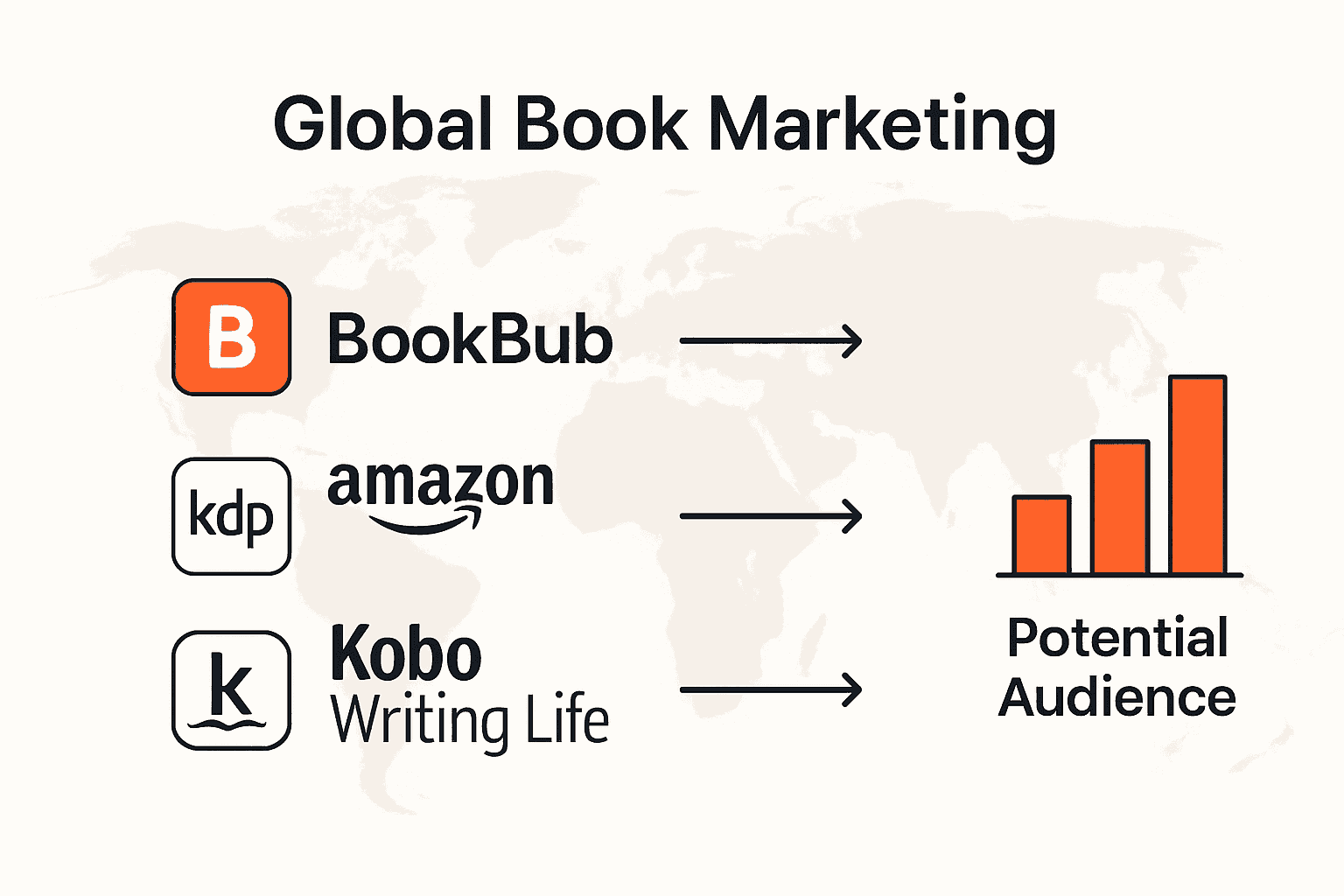 These websites connect authors directly with readers across different countries allowing you to build a truly global fan base.
In our next section we will explore how to create compelling multilingual marketing content that speaks directly to international readers.
Step 5: Track metrics and optimize marketing efforts
Transforming raw data into actionable marketing insights is how successful authors turn good books into bestsellers. Tracking the right metrics allows you to understand exactly what resonates with your readers and continuously improve your marketing strategy.
AI powered predictive analytics have revolutionized performance tracking. According to research from Nancy Rubin these advanced tools can increase email open rates by 25 to 30% and boost conversions up to 50%. This means you are not just collecting data you are gaining intelligent insights that help you make smarter marketing decisions.
Start by setting up comprehensive tracking for your email campaigns. According to KDP Kit monitoring performance of signup forms email sequences and automation is crucial. Pay attention to metrics like open rates click through rates subscriber growth and conversion rates. Each of these numbers tells a story about how effectively you are connecting with potential readers.
Pro Tip: Use UTM parameters in your marketing links to track exactly which channels and content drive the most engagement.
Dont just collect metrics analyze them strategically. Look for patterns in when readers engage most with your content. Are morning emails more effective? Do certain subject lines generate higher open rates? Do readers from specific demographics respond better to particular types of content?
Segmentation becomes your secret weapon. Break down your audience into smaller groups based on reading preferences purchasing behavior and engagement levels. This allows you to create hyper targeted marketing messages that feel personal and relevant.
Regularly review and adjust your marketing strategies based on these insights. What worked six months ago might not work today. The book marketing landscape evolves rapidly and your ability to adapt quickly will set you apart from other authors.
In our final section we will explore how to build a sustainable long term author marketing ecosystem that grows with your career.
Ready to Transform Your Book Sales Strategy for 2025?
Are you feeling overwhelmed by the challenges of building an author brand, developing a loyal global audience, and mastering complex AI marketing tools? The latest article highlighted the crucial steps to succeed in the fast-changing book market. Topics like email automation, predictive analytics, and international outreach can feel daunting without clear guidance. But you do not have to figure this out alone.
Take the next step to sell more books worldwide. Discover proven systems and hands-on support at Digital Marketing Authors, where 13x #1 Amazon bestselling author C.T. Mitchell teaches you how to automate reader list-building, leverage AI for smarter campaigns, and create a brand that truly stands out. Go beyond guesswork. Start building your enduring author business today with step-by-step training and expert resources. Don’t let another month slip by—visit Digital Marketing Authors now and gain the real competitive edge.
Frequently Asked Questions
How can I define my author brand to reach a global audience?
To define your author brand, identify the unique aspects of your writing style, core message, and visual identity. Create an audience persona document that outlines the demographics and interests of your ideal readers, focusing on how you can resonate with them globally.
What types of reader magnets work best for building my email list?
Effective reader magnets include free short stories, exclusive chapter previews, or genre-specific guides. Develop a compelling reader magnet that provides immediate value to potential subscribers, encouraging them to join your email list within days of your book’s release.
How can I effectively use AI for my book marketing campaigns?
Utilize AI tools to generate engaging content, create targeted ad campaigns, and design eye-catching graphics for your book. Start by experimenting with AI-generated ads and analyze which variations drive the most engagement, optimizing your approach over a month-long testing period.
What should I include in my international book marketing strategy?
In your international strategy, focus on diverse distribution platforms, cultural preferences, and localized marketing content. Research and adapt your book’s metadata and marketing language to resonate with different cultures, aiming for a significant increase in global visibility.
How do I track the success of my book marketing efforts?
Track engagement metrics such as email open rates, click-through rates, and subscriber growth to gauge your marketing success. Set up a review process every month to analyze this data, allowing you to refine your strategies based on what resonates best with your audience.
What are the best practices for optimizing my book’s metadata?
Optimize your book’s metadata by using relevant keywords, including those in multiple languages if targeting international readers. Review and update your metadata regularly to improve searchability and visibility across various platforms, aiming for an increase in visibility in global markets.
Recommended
- How To Sell More Books In 2018
- bestselling author strategy Archives – DigitalMarketingAuthors.com
- book marketing Archives – DigitalMarketingAuthors.com
- book marketing strategies for authors Archives – DigitalMarketingAuthors.com
- Top Content Promotion Strategies for 2025 Success
- DIY Artbook Publishing: Create Stunning Visual Collections – The Mansion Press

7 Essential Types of Book Marketing Every Author Should Know
Did you know that over 70 percent of readers discover new authors through digital channels? In a world where your next fan could be scrolling on their phone, mastering book marketing is no longer an option, it is the difference between being seen and being overlooked. Whether you are just starting out or looking to grow your presence, the right strategies can help you build loyal readers, boost your visibility, and turn your passion into a thriving author brand.
Quick Summary
| Takeaway | Explanation |
|---|---|
| 1. Build an authentic author brand on social media. | Utilize platforms where your readers are active. Focus on quality content that reflects your personality and writing journey. |
| 2. Cultivate a dedicated email reader list. | Treat your email list as a personal community. Offer valuable content to engage and connect with readers directly. |
| 3. Optimize your Amazon metadata for visibility. | Use precise keywords and compelling descriptions to help readers discover your book among many options. |
| 4. Generate genuine book reviews for trust. | Focus on authentic feedback from readers. Utilize strategies like advance copies and engaging with book communities to build trust. |
| 5. Leverage AI tools to automate marketing tasks. | Use AI as an assistant for content generation and data analysis, but maintain your unique voice in marketing efforts. |
Table of Contents
- Social Media Marketing For Author Branding
- Email Marketing To Build Loyal Reader Lists
- Amazon Optimization For Increased Book Visibility
- Leveraging Book Review Strategies For Trust
- Paid Advertising To Drive Book Sales Fast
- Collaboration And Cross-Promotion With Other Authors
- Using Ai Tools For Smarter Book Marketing Automation
1. Social Media Marketing for Author Branding
Social media is no longer optional for authors. It’s a powerful platform to build your brand, connect with readers, and transform casual followers into dedicated fans.
Your author brand transcends book sales. It represents your unique voice, writing style, personality, and the emotional connection you create with readers. Social media platforms like Instagram, Twitter, and Facebook offer unprecedented opportunities to showcase who you are beyond your written work.
Building an authentic social media presence requires strategic thinking. Start by selecting platforms where your target readers spend time. A fiction romance writer might find more engagement on Instagram, while a technical nonfiction author could thrive on LinkedIn. Choose quality over quantity.
Content strategy matters more than follower count. Share behind the scenes glimpses of your writing process, book research, personal inspirations, and character development. Learn more about creating a magnetic author brand that keeps readers coming back.
Effective author social media marketing involves:
- Consistent posting schedule
- Authentic storytelling
- Engaging visual content
- Direct interaction with followers
- Sharing relevant industry insights
Remember readers want connection. They want to know the human behind the books. Show your personality. Be genuine. Share your writing struggles, celebrate your wins, and create a community that feels personally invested in your journey.
Pro tip: Invest time in understanding each platform’s unique audience and content style. What works on TikTok will differ dramatically from LinkedIn. Tailor your approach accordingly.
2. Email Marketing to Build Loyal Reader Lists
Your email list represents the most powerful marketing asset an author can develop. Unlike social media platforms where algorithms control visibility, an email list gives you direct communication with readers who genuinely want to hear from you.
Building a reader list is about quality over quantity. You want passionate readers who are excited about your writing journey and upcoming books. Think of your email list as a private community where fans feel personally connected to your work.
Start by creating an irresistible lead magnet something that provides genuine value. This could be a free short story, exclusive chapter preview, character backstory, or writing resource that aligns with your book genre. Explore advanced strategies for building your reader list and convert casual readers into dedicated fans.
Effective email marketing for authors involves:
- Consistent communication
- Personalized content
- Exclusive reader rewards
- Transparent relationship building
- Strategic book launch announcements
Your email content should feel like a personal conversation. Share writing updates, behind the scenes glimpses, character inspirations, and book research journeys. Readers want to feel invested in your creative process.
Pro tip: Segment your email list based on reader interests. A fantasy writer might create different tracks for hardcore fantasy fans versus casual genre readers. Personalization increases engagement and loyalty.
Remember email marketing is a relationship building tool. Treat your subscribers like valued friends. Be authentic. Be generous. And most importantly be the storyteller they cannot wait to hear from.
3. Amazon Optimization for Increased Book Visibility
Amazon is not just a bookstore. It is a sophisticated search engine where strategic optimization can mean the difference between becoming a bestseller or remaining undiscovered. Your book’s success depends on understanding Amazon’s complex algorithm and positioning your work strategically.
Metadata is your secret weapon. Every single detail from your book title and subtitle to keywords and categories can dramatically impact your discoverability. Think of metadata as the digital GPS that helps readers find your book among millions of competing titles.
Explore advanced book promotion tactics that can transform your Amazon presence. Your goal is to signal to Amazon’s algorithm that your book is relevant and engaging.
Key strategies for Amazon optimization include:
- Selecting precise book categories
- Writing compelling book descriptions
- Using all 7 available keyword slots
- Encouraging genuine reader reviews
- Maintaining consistent book pricing
Your book cover is your first marketing weapon. Professional design signals quality and attracts potential readers scrolling through search results. A great cover communicates genre, mood and promises the reading experience potential buyers can expect.
Understand Amazon’s ranking system. The more books you sell within a short timeframe the higher you climb in category rankings. This visibility creates a powerful snowball effect where increased visibility leads to more sales.
Pro tip: Update your book metadata periodically. Amazon algorithms change and so do reader search patterns. Stay flexible and willing to experiment with different keyword combinations and category placements.
4. Leveraging Book Review Strategies for Trust
Book reviews are the digital currency of reader trust. Potential readers scan reviews before making purchasing decisions a critical factor that can make or break your book’s success.
Authentic reviews are more valuable than paid endorsements. Readers can quickly spot manufactured praise. Your goal is to cultivate genuine feedback from readers who truly connected with your work. Discover effective strategies to build reader trust quickly and transform casual readers into loyal fans.
Reviews serve multiple purposes beyond social proof. They provide valuable feedback about your writing, help Amazon’s recommendation algorithms, and signal credibility to potential readers. A book with multiple thoughtful reviews looks more professional and trustworthy.
Strategies for generating authentic book reviews include:
- Offering advance reader copies
- Engaging with book blogger communities
- Creating a simple review request process
- Targeting readers in your specific genre
- Encouraging honest feedback
Never purchase fake reviews. Amazon regularly purges artificial reviews and can penalize authors who attempt to game the system. Authentic connections matter more than inflated numbers.
Reach out to readers who have enjoyed similar books in your genre. Book review groups on Goodreads social media platforms and specialized reader forums can be excellent resources for finding genuine reviewers.
Pro tip: Make leaving a review as easy as possible. Provide direct links. Write clear instructions. Show appreciation for every single review readers take time to write.
5. Paid Advertising to Drive Book Sales Fast
Paid advertising represents a powerful accelerator for book sales when executed strategically. Unlike organic marketing which builds slowly paid advertising allows authors to reach targeted readers rapidly and precisely.
Targeted advertising is about smart spending not massive budgets. You do not need thousands of dollars to create effective book promotions. Explore advanced book advertising techniques that maximize your return on investment.
The most effective platforms for book advertising include Facebook Ads Amazon Ads BookBub Ads and targeted social media campaigns. Each platform offers unique advantages for different book genres and reader demographics.
Effective paid advertising strategies involve:
- Precise audience targeting
- Compelling visual creatives
- Clear call to action messaging
- Tracking and analyzing performance
- Continuous campaign refinement
Understand your target reader deeply. What are their interests? What other books do they read? What online communities do they frequent? The more precisely you can define your audience the more efficient your advertising spend becomes.
Start with small test budgets. Most platforms allow you to spend as little as five dollars per day. Experiment with different ad variations track your results and double down on what works. Successful advertising is about continuous learning and optimization.
Pro tip: Create multiple ad variations to test different images copy and targeting. What resonates with romance readers might not work for science fiction fans. Be willing to pivot quickly based on real data.
6. Collaboration and Cross-Promotion with Other Authors
Authors are not competitors. They are potential allies in a collaborative ecosystem where mutual support can exponentially expand reader reach. Cross promotion transforms individual marketing efforts into a powerful network of shared opportunities.
Strategic author collaboration multiplies your visibility. Explore innovative cross-platform promotion strategies that can transform your book marketing approach and connect you with broader audiences.
Think beyond traditional networking. Modern author collaboration involves creative exchange of reader audiences platforms and marketing resources. Your fellow genre writers are not rivals they are potential partners in building a robust reading community.
Effective collaboration strategies include:
- Joint newsletter features
- Bundled book promotions
- Shared social media takeovers
- Collaborative podcast or video interviews
- Anthology or boxset contributions
Target authors writing in similar genres or complementary writing styles. A science fiction writer might collaborate with a technology blogger. A romance novelist could partner with writers exploring relationship dynamics.
Reach out professionally. Offer genuine value. Show how collaboration benefits both parties. Be specific about what you bring to the partnership. Demonstrate your understanding of their audience and brand.
Pro tip: Build relationships before you need them. Engage authentically in author communities. Comment on their posts. Share their work. Genuine connections create natural collaborative opportunities.
7. Using AI Tools for Smarter Book Marketing Automation
Artificial intelligence is transforming book marketing from a time consuming manual process into a streamlined strategic approach. AI tools can help authors work smarter not harder by automating repetitive tasks and providing data driven insights.
AI is your marketing assistant not a replacement for human creativity. Learn advanced strategies to automate book sales and reclaim hours of productive writing time.
Modern AI tools can assist authors in multiple marketing dimensions. They can generate social media content analyze reader demographics craft targeted email sequences and even predict potential book market trends.
Practical AI marketing applications include:
- Content generation for social posts
- Personalized email marketing
- Audience segmentation
- Predictive sales analytics
- Targeted advertising optimization
Start with user friendly AI tools that integrate seamlessly into your existing marketing workflow. Experiment with generative AI for creating book descriptions social media captions and newsletter content. But always review and personalize the output to maintain your unique voice.
Understand that AI is a tool for enhancement not a complete replacement for human creativity. Your personal storytelling authentic connection and unique perspective remain the core of successful book marketing.
Pro tip: Treat AI as your marketing assistant. Use it to generate ideas draft initial content and provide strategic insights. Your human touch transforms AI generated content into something truly compelling.
Below is a comprehensive table summarizing the key strategies and considerations for author branding and marketing through various digital platforms discussed in the article.
| Topic | Strategies & Implementation | Benefits/Outcomes |
|---|---|---|
| Social Media Marketing | Select platforms based on target audience; Focus on authentic content like writing process and storytelling. | Build author brand; Connect with readers; Create engaged fanbase. |
| Email Marketing | Develop quality email list; Use lead magnets like free stories; Segment list for personalized content. | Direct communication with fans; Build loyalty; Higher engagement. |
| Amazon Optimization | Use metadata precisely; Select accurate categories; Keep book covers professional. | Increase book visibility; Improve discoverability; Boost sales rankings. |
| Book Review Strategies | Offer advance copies; Engage with book bloggers; Simplify review requests. | Gain reader trust; Enhance credibility; Better Amazon recommendations. |
| Paid Advertising | Target audience precisely; Use compelling creatives; Test ad variations. | Rapid reach to readers; Increase book sales; Optimize ad spend efficiency. |
| Collaboration | Partner with authors in similar genres; Joint promotions and newsletters. | Expand audience reach; Mutual promotion benefits; Community building. |
| AI Tools for Marketing | Automate tasks like content generation; Analyze reader data; Optimize advertising. | Save time; Data-driven insights; Enhance strategies with AI. |
Turn Book Marketing Knowledge into Real Sales and Loyal Readers
Are you feeling overwhelmed by all the moving parts of modern book marketing? You are not alone. Many authors struggle to build an authentic online presence, grow a loyal reader list, and get discovered on platforms like Amazon. The article highlights essential but complex areas such as social media branding, email marketing, Amazon optimization, and AI-powered automation. Without a proven system, the process can feel intimidating and time-consuming.
Take the next step and experience what focused, expert-backed support can do for your author career.
If you are ready to automate book sales, grow a passionate readership, and master everything from book promotion tactics to AI tools, now is your chance. Join other successful indie authors who have learned the secrets at Digital Marketing Authors. Visit our home page today and start building the profitable author brand you deserve.
Frequently Asked Questions
What types of social media marketing should I use for my author brand?
Effective social media marketing for your author brand includes platforms where your target readers engage, such as Instagram for fiction or LinkedIn for nonfiction. Start by identifying the platform that best suits your audience and create a consistent posting schedule to share insights about your writing process and personal journey.
How can I build an email list to connect with my readers?
Building an email list involves creating a valuable lead magnet, like a free short story or exclusive content, to encourage sign-ups. Aim to gather 100 passionate subscribers by offering regular updates and personal insights that make them feel part of your writing journey.
What are the best strategies for optimizing my book on Amazon?
To optimize your book on Amazon, focus on detailed metadata including your title, keywords, and categories. Revise your book’s description to highlight compelling elements that will draw readers in, updating this periodically to improve discoverability.
How can I generate authentic book reviews from readers?
You can generate authentic book reviews by offering advance reader copies to targeted audiences and simplifying the review process with clear instructions. Engage with specific reader communities to reach individuals who are likely to resonate with your work and ask for honest feedback.
What should I consider when using paid advertising for my book?
When using paid advertising, focus on precise audience targeting and compelling visuals to draw attention. Start with a small test budget, spending as little as five dollars a day, and analyze which variations yield the best engagement to refine your approach continuously.
How do I collaborate with other authors for cross-promotion?
To collaborate with other authors, identify those who write in similar genres and propose ideas for joint promotions like shared email newsletters or social media takeovers. Build genuine relationships by engaging with their content, which will make your collaboration proposal more appealing.
Recommended
- book marketing strategies for authors Archives – DigitalMarketingAuthors.com
- book marketing steps Archives – DigitalMarketingAuthors.com
- book marketing guide Archives – DigitalMarketingAuthors.com
- book marketing checklist Archives – DigitalMarketingAuthors.com
- 7 Content Curation Strategies Every Business Owner Needs – My Blog