
- You are here:
- Home »
- personalized newsletters
Tag Archives for " personalized newsletters "

Role of Newsletters for Writers: Complete Guide
More than 80 percent of writers say email newsletters are their top way to connect with readers. As inboxes become the new front row for creative voices, newsletters offer something social media cannot: direct, personal communication that cuts through the noise. Writers are finding fresh ways to build devoted audiences, share exclusive content, and shape their brand—all while staying in control of their message.
Key Takeaways
| Point | Details |
|---|---|
| Direct Communication | Newsletters enable authors to reach their audience directly, enhancing personal engagement and brand loyalty. |
| Community Building | Newsletters foster interactive relationships, transforming readers into active community members through consistent, authentic communication. |
| Monetization Opportunities | Authors can leverage newsletters for income through various strategies such as paid subscriptions, sponsorships, and affiliate marketing. |
| Avoid Common Mistakes | Effective newsletters require compelling subject lines, consistent scheduling, and clear calls to action to maintain reader interest and engagement. |
Table of Contents
- Defining Newsletters For Writers Today
- Types Of Author Newsletters And Differences
- How Newsletters Build Reader Communities
- Monetization Strategies For Indie Authors
- Common Newsletter Mistakes To Avoid
Defining Newsletters for Writers Today
A newsletter represents a powerful communication tool that allows writers to connect directly with their audience through regular, curated content delivered straight to readers’ email inboxes. According to Wikipedia, a newsletter is a printed or electronic report sent to subscribers containing topics of interest, with e-newsletters becoming increasingly popular among professional writers seeking to maintain consistent engagement.
For modern authors, newsletters serve multiple strategic purposes beyond simple communication. They function as a dynamic platform for writers to:
- Build a loyal reader community
- Share exclusive behind-the-scenes insights
- Promote upcoming book releases
- Cultivate direct relationships with fans
- Establish personal brand authority
As research from Convert Now indicates, author newsletters fundamentally allow writers to take control of their audience by reaching them directly via email. This direct line of communication enables writers to enhance their brand through personal style and insights while systematically cultivating reader loyalty.
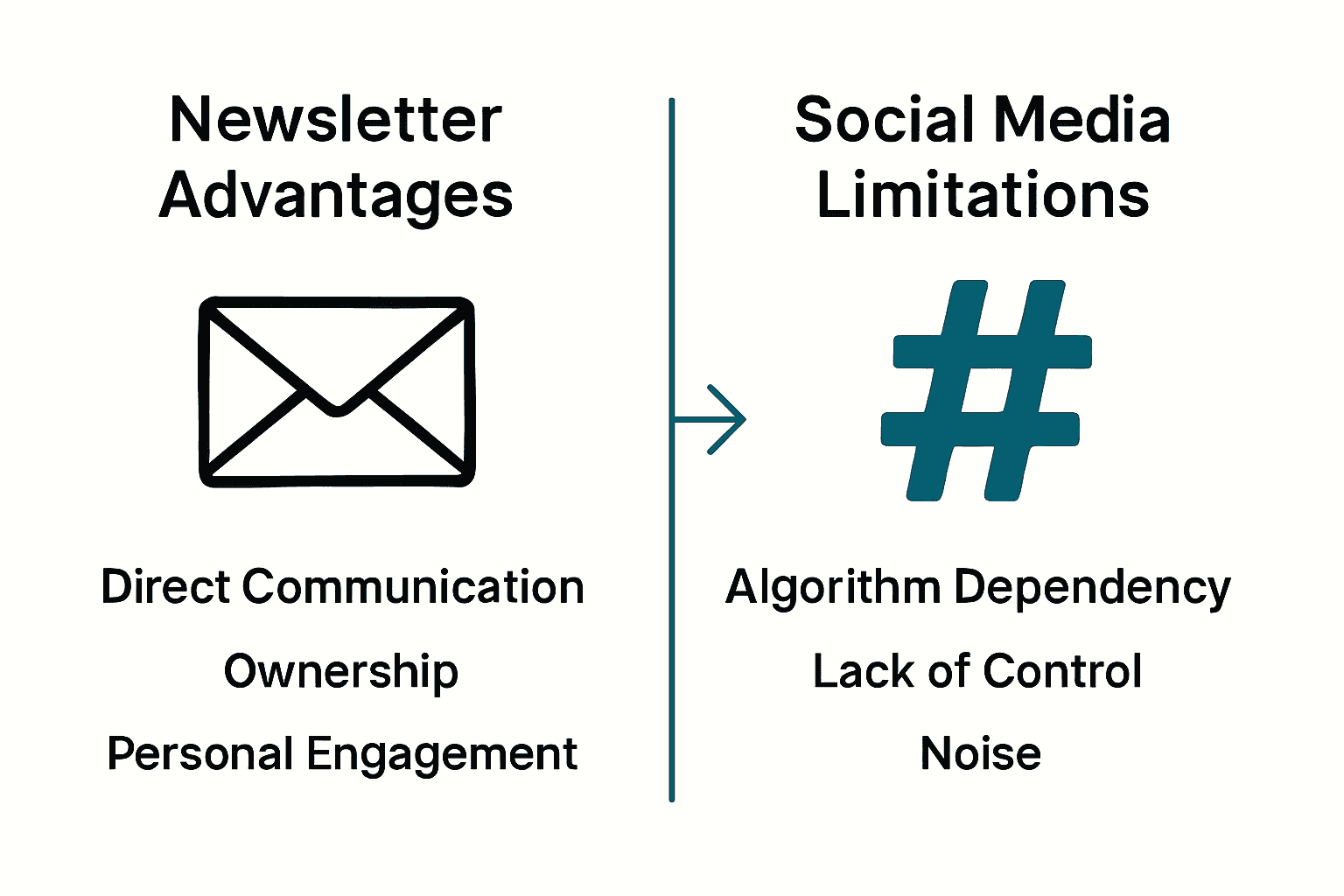
Unlike social media platforms where algorithms determine content visibility, newsletters provide writers complete ownership of their communication channel. Writers can craft personalized, targeted content that resonates deeply with their specific reader base, transforming casual readers into dedicated fans who eagerly anticipate each new publication.
Types of Author Newsletters and Differences
Author newsletters are not a one-size-fits-all communication strategy. According to research from Beehiiv, writers can craft newsletters in multiple distinct formats, each serving unique audience engagement goals. Understanding these variations allows authors to select the most effective approach for their specific writing genre and reader preferences.
The primary newsletter types for authors include:
Here’s a comparison of the main types of author newsletters:
| Newsletter Type | Main Focus | Best For |
|---|---|---|
| Curated | Links & Resources | Resource-hunting readers |
| Practical | How-to Tips & Techniques | Writers seeking actionable advice |
| Personality-Driven | Author’s Stories & Journey | Readers wanting personal insights |
| Analytical | Expert Analysis & Industry | Non-fiction or thought leaders |
| Inspirational | Quotes & Motivation | Writers needing encouragement |
- Curated Newsletters: Collections of carefully selected links, summaries, and recommended resources
- Practical Newsletters: Actionable how-to content and writing technique insights
- Personality-Driven Newsletters: Personal storytelling showcasing the author’s journey and worldview
- Analytical Newsletters: In-depth, long-form expert analysis and industry perspectives
- Inspirational Newsletters: Quote compilations and motivational content for writers
Research from Feather further elaborates on newsletter formats, highlighting that successful newsletters can range from weekly industry news digests to personal recommendation platforms. Each format offers distinct advantages: curated links provide quick value, tool roundups offer practical resources, and personal reflection newsletters build deeper reader connections.
The key is matching your newsletter style to your writing goals and audience expectations. A fiction author might leverage personality-driven newsletters to share character development insights, while a non-fiction writer could use analytical formats to demonstrate industry expertise. Your newsletter becomes an extension of your writing voice – a powerful tool for building a loyal, engaged readership.

How Newsletters Build Reader Communities
Community building through newsletters transforms passive readers into active, engaged participants in an author’s creative ecosystem. Modern digital platforms have revolutionized how writers connect with their audience, moving beyond traditional one-way communication models to create interactive, meaningful relationships.
According to research on community-building tools, platforms like Substack and Beehiiv now offer sophisticated features that enable authors to cultivate vibrant reader communities. These tools provide critical engagement mechanisms such as:
- Direct comment sections
- Integrated chat functionalities
- Referral program incentives
- Interactive discussion spaces
- Personalized reader feedback channels
Newsletters create a unique intimacy that social media cannot replicate. By delivering content directly to a reader’s inbox, authors establish a personal connection that feels more deliberate and meaningful. Readers aren’t just consuming content; they’re becoming part of an exclusive community that shares common interests, values, and literary passions.
The magic of newsletter community building lies in consistency, authenticity, and interaction. Successful authors use their newsletters not just as broadcast tools, but as conversation starters. They share personal stories, solicit reader opinions, offer behind-the-scenes glimpses into their writing process, and create a sense of belonging. This approach transforms readers from distant consumers into invested community members who feel personally connected to the author’s journey and creative vision.
Monetization Strategies for Indie Authors
Newsletter monetization represents a transformative opportunity for independent authors to generate direct revenue from their writing and audience relationships. According to research on Substack, modern digital platforms now provide sophisticated infrastructure that enables writers to earn income directly from subscriber contributions.
Independent authors can explore multiple monetization approaches:
- Paid Subscription Tiers: Offering exclusive content at different price points
- Sponsorship Opportunities: Partnering with brands relevant to your audience
- Premium Content Sections: Gating advanced or in-depth material
- Affiliate Marketing: Recommending products with commission structures
- Digital Product Sales: Selling workshops, guides, or exclusive resources
The most powerful monetization strategy involves creating genuine value that readers are willing to pay for. This means developing high-quality, unique content that readers cannot easily find elsewhere. Successful authors understand that monetization isn’t about extracting money, but about providing exceptional insights, entertainment, or expertise that readers perceive as worth their investment.
Newsletters offer unparalleled advantages over traditional publishing models by providing direct financial connections between authors and readers. By cultivating a loyal audience and consistently delivering compelling content, indie authors can transform their newsletters from communication tools into sustainable revenue streams. The key is maintaining authenticity, understanding your audience’s needs, and continuously evolving your offering to provide exceptional value.
Common Newsletter Mistakes to Avoid
Newsletter failures often stem from overlooking critical design and communication principles that separate engaging content from forgettable emails. According to research from Letterbucket, authors frequently stumble into predictable traps that can dramatically reduce reader engagement and newsletter effectiveness.
The most prevalent newsletter mistakes include:
- Weak Subject Lines: Failing to create compelling, curiosity-driving headlines
- Irregular Scheduling: Inconsistent publication times that confuse readers
- Lack of Audience Segmentation: Treating all subscribers as a monolithic group
- Excessive Self-Promotion: Overwhelming readers with constant sales pitches
- Poor Design and Mobile Optimization: Unreadable layouts across devices
- Missing Clear Calls to Action: Leaving readers uncertain about next steps
- Ignoring Performance Metrics: Not analyzing what content truly resonates
Research from Kasplo further highlights the importance of personalization and tone. Successful newsletters avoid robotic, impersonal language and instead create a conversational, authentic connection. The key is balancing professional insights with a genuine, approachable writing style that makes readers feel like they’re receiving a personal communication from a trusted friend.
Ultimately, avoiding these common pitfalls requires thoughtful, strategic approach to newsletter creation. Authors must view their newsletter as a relationship-building tool, not just a broadcasting channel. By prioritizing reader experience, consistently delivering value, and remaining adaptable to audience feedback, writers can transform potential mistakes into opportunities for deeper reader engagement.
Turn Your Newsletter Into a Profitable Reader Magnet
Are you finding it difficult to build real connections and sell more books despite your best efforts with newsletters? Many writers struggle with inconsistent engagement, weak community building, and newsletters that just do not translate to real results. The article highlights the importance of audience ownership, clear calls to action, and engaging content. But the path from recognizing these issues to launching a loyal, buying reader base often feels overwhelming.
You do not have to figure this out alone. At Digital Marketing Authors, you will discover step-by-step systems that take your newsletter from forgettable to unmissable. We show you how to automate your author brand, grow devoted reader communities, and turn every email into a revenue opportunity. If you are ready to stop guessing and start building your own profitable audience, visit Digital Marketing Authors and take your writing career to the next level now.
Frequently Asked Questions
What is the purpose of a newsletter for writers?
A newsletter allows writers to communicate directly with their audience, sharing curated content, insights, book promotions, and fostering a loyal reader community.
What types of newsletters can authors create?
Authors can create various types of newsletters, including curated, practical, personality-driven, analytical, and inspirational, each serving unique engagement goals.
How can newsletters help build a reader community?
Newsletters facilitate community building by transforming passive readers into engaged participants, creating a personal connection through direct communication and fostering interaction and feedback among subscribers.
What are effective monetization strategies for indie authors using newsletters?
Indie authors can monetize their newsletters through paid subscription tiers, sponsorship opportunities, premium content sections, affiliate marketing, and digital product sales, focusing on providing unique value to their audience.
Recommended
- author newsletter Archives – DigitalMarketingAuthors.com
- Author Newsletter Archives – DigitalMarketingAuthors.com
- publish an author newsletter Archives – DigitalMarketingAuthors.com
- author newsletter publishing Archives – DigitalMarketingAuthors.com

Understanding What is Digital Marketing for Writers
Writers today are tapping into digital marketing for writers to take control of their success. More than 70 percent of self-published authors say online platforms have helped them reach new audiences and boost sales. It might sound like digital marketing is just about more tweets and flashy book covers, but that barely scratches the surface. The real shift is that writers can now bypass the old publishing gatekeepers and build lasting careers by connecting with readers directly—something that was almost impossible just a decade ago.
Table of Contents
- Defining Digital Marketing In The Context Of Writing
- The Importance Of Digital Marketing For Writers
- Key Concepts In Digital Marketing For Authors
- How Writers Utilize Digital Marketing Strategies
- Real-World Examples Of Successful Digital Marketing In Writing
Quick Summary
| Takeaway | Explanation |
|---|---|
| Build an author website or blog. | A central hub helps you connect with readers directly and showcase your work effectively. |
| Utilize social media for engagement. | Engaging on social platforms keeps your audience updated and fosters community-building. |
| Implement targeted email marketing. | Email campaigns nurture reader relationships and personalize communication with your audience. |
| Create diverse content to attract readers. | Offering various content types maintains reader interest and addresses their specific needs and preferences. |
| Control your marketing and distribution. | Digital marketing empowers you to engage directly with audiences, bypassing traditional publishing barriers. |
Defining Digital Marketing in the Context of Writing
Digital marketing for writers represents a strategic approach to promoting, distributing, and monetizing written content through online channels. Unlike traditional publishing methods, digital marketing empowers authors to directly connect with readers, build audiences, and create sustainable writing careers.
Core Components of Digital Marketing for Writers
At its foundation, digital marketing for writers encompasses several interconnected strategies designed to increase visibility and engagement. These strategies leverage digital platforms to transform how authors reach and interact with potential readers. According to Nielsen Norman Group’s content strategy research, effective digital marketing requires understanding audience needs and creating targeted content experiences.
To help clarify the essential elements of digital marketing for writers, the table below outlines the core components featured in the article.
| Core Component | Description |
|---|---|
| Author Website or Blog | Serves as a central hub for connecting with readers and showcasing work. |
| Social Media Engagement | Platforms for sharing updates, building a following, and communicating directly with readers. |
| Email Marketing | Campaigns and newsletters that nurture relationships and provide personalized communication. |
| Content Marketing | Creating and sharing valuable content that highlights writing expertise and attracts target readers. |
| Platform-specific Strategy | Tailoring content to suit the unique characteristics and audiences of each digital platform used. |
Key digital marketing approaches for writers include:
- Building an author website or blog as a central hub for connecting with readers
- Utilizing social media platforms to share writing updates and engage with audiences
- Creating email marketing campaigns to nurture reader relationships
- Developing content marketing strategies that showcase writing expertise
Strategic Online Presence
Successful digital marketing transcends mere self-promotion. It involves creating genuine connections and providing value to potential readers. Writers must think strategically about their online presence, understanding that each digital interaction represents an opportunity to build credibility and trust. Learn more about building your author platform and transforming casual readers into dedicated fans.
By mastering digital marketing techniques, writers can expand their reach beyond traditional publishing constraints, control their narrative, and create sustainable writing careers in an increasingly digital marketplace.
The Importance of Digital Marketing for Writers
Digital marketing has revolutionized how writers connect with audiences, transforming traditional publishing paradigms and creating unprecedented opportunities for independent authors. By understanding and implementing strategic digital marketing techniques, writers can significantly enhance their visibility, reader engagement, and potential income streams.
Breaking Traditional Publishing Barriers
Historically, writers depended on publishing houses to distribute and market their work. Digital marketing dismantles these traditional barriers, allowing authors to become their own publishers and marketers. Research from the American Library Association indicates that digital platforms enable writers to bypass traditional gatekeepers and directly reach their target audiences.
Critical advantages of digital marketing for writers include:
- Complete control over publishing and distribution channels
- Direct relationship building with readers
- Cost-effective marketing strategies
- Global reach without geographical limitations
Economic and Professional Empowerment
Digital marketing is not just about promotion but represents a comprehensive strategy for professional growth. Writers can monetize their skills through multiple digital channels, creating diverse revenue streams beyond traditional book sales. Discover advanced author marketing strategies that transform writing from a passion into a sustainable career.
By embracing digital marketing, writers unlock the potential to build personal brands, cultivate loyal reader communities, and establish themselves as authoritative voices in their respective genres. The digital landscape offers writers unprecedented opportunities to turn their creative talents into successful, self-directed careers.
This table highlights key advantages of digital marketing for writers, making it easy to compare its benefits over traditional publishing methods.
| Advantage | Explanation |
|---|---|
| Direct Control | Writers have full ownership of publishing, marketing, and distribution channels. |
| Relationship Building | Enables direct communication and stronger connections with readers. |
| Cost Efficiency | Digital strategies reduce dependency on expensive traditional marketing and distribution models. |
| Global Reach | Authors can access readers worldwide without geographic barriers. |
| Multiple Revenue Streams | Supports diversification of income through e-books, merchandise, and online courses beyond book sales. |
Key Concepts in Digital Marketing for Authors
Digital marketing for authors involves a sophisticated set of strategies and tools designed to create meaningful connections between writers and their potential readers. Understanding these core concepts transforms digital platforms from mere communication channels into powerful author engagement mechanisms.
Content Strategy and Audience Targeting
Successful digital marketing begins with developing a precise content strategy that resonates with specific reader demographics. According to Content Marketing Institute’s research, targeted content that addresses reader interests dramatically increases engagement and conversion rates.
Essential audience targeting principles include:
- Identifying precise reader persona characteristics
- Understanding reader preferences and consumption habits
- Creating content that solves reader problems or fulfills specific needs
- Analyzing audience engagement metrics continuously

Digital Channel Optimization
Modern authors must strategically leverage multiple digital channels to maximize their visibility and reader interaction. Each platform offers unique opportunities for building author brands and connecting with potential readers. Learn more about optimizing your author marketing channels and expanding your digital presence effectively.
Key digital marketing channels for authors include social media platforms, personal websites, email newsletters, and content marketing blogs.
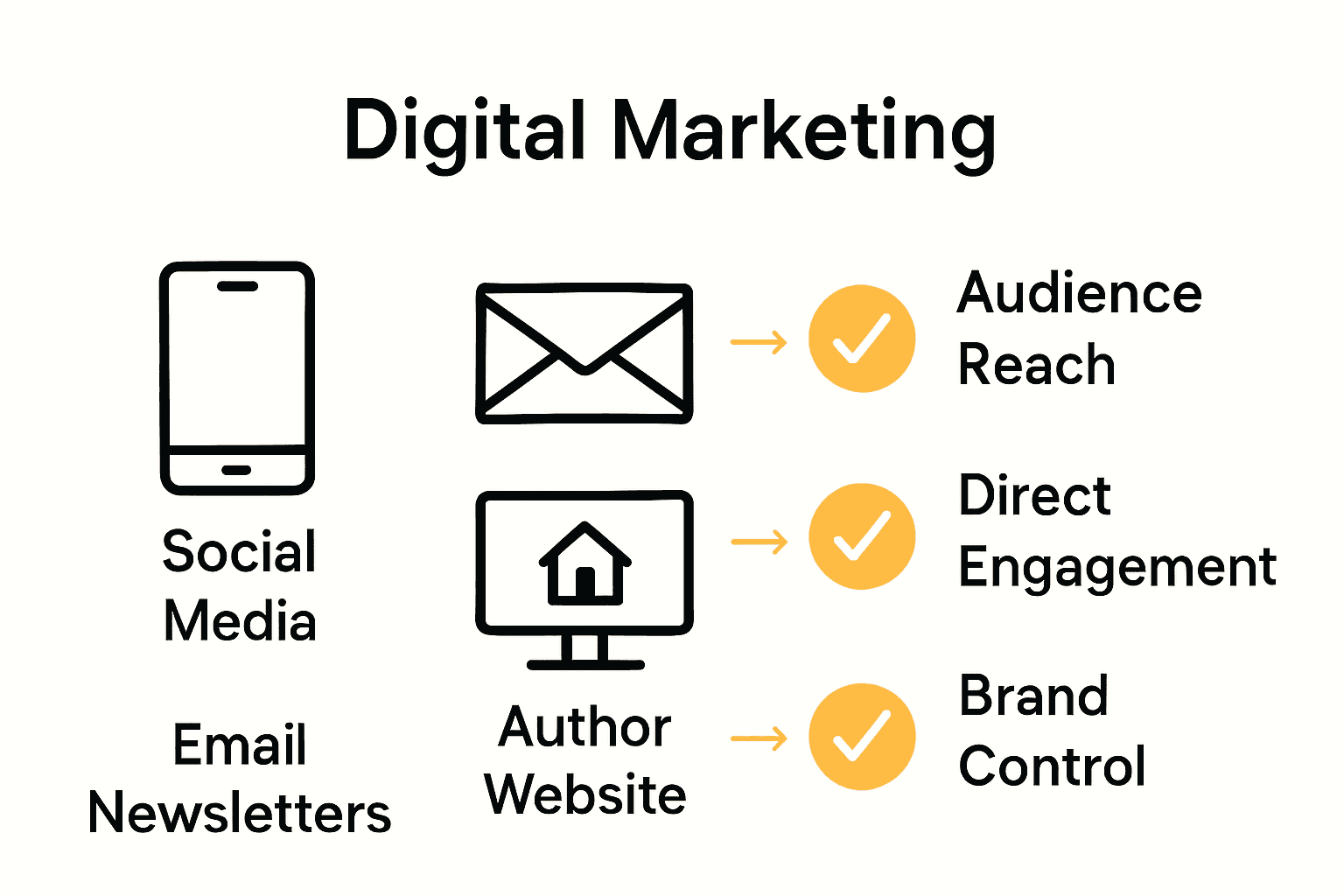 Successful writers understand how to craft platform-specific content that attracts and retains reader attention, transforming casual browsers into dedicated fans and long-term supporters of their writing journey.
How Writers Utilize Digital Marketing Strategies
Digital marketing strategies provide writers with sophisticated tools to transform their writing careers from isolated creative pursuits into dynamic, interactive reader experiences. By implementing targeted approaches, authors can effectively amplify their reach and build sustainable professional platforms.
Content Distribution and Community Building
Modern writers leverage digital platforms to create comprehensive engagement ecosystems around their work. Research from the University of Nebraska–Lincoln demonstrates that authors who strategically collaborate with influencers and use targeted advertising can significantly enhance their professional visibility.
Strategic content distribution techniques include:
- Creating serialized content across multiple digital platforms
- Developing consistent brand messaging
- Engaging directly with reader communities
- Utilizing cross-platform promotional strategies
Monetization and Professional Expansion
Digital marketing enables writers to diversify their income streams beyond traditional book sales. Explore advanced author marketing techniques to transform writing from a passion into a sustainable professional endeavor.
Successful writers understand that digital marketing is not about constant self-promotion but creating genuine connections. By sharing insights, behind-the-scenes content, and meaningful interactions, authors can convert casual readers into dedicated fans who actively support their creative journey.
Real-World Examples of Successful Digital Marketing in Writing
Digital marketing success for writers goes beyond theoretical strategies. Real authors have transformed their careers by implementing innovative digital approaches that connect directly with readers and create sustainable professional platforms.
Case Studies of Author Digital Engagement
Independent and traditional authors alike have demonstrated remarkable success through strategic digital marketing. According to Harvard Business Review’s publishing research, authors who effectively leverage digital channels can dramatically increase their visibility and reader engagement.
Characteristics of successful author digital marketing include:
- Creating authentic, consistent online personas
- Developing multi-platform content strategies
- Building interactive reader communities
- Utilizing data-driven marketing approaches
Strategic Platform Diversification
Successful writers understand that digital marketing requires more than just promoting books. Learn about advanced author marketing strategies that transform writing careers through strategic online positioning.
Authors like Hugh Howey, who built a massive science fiction readership through self-publishing platforms, and Amanda Hocking, who became a millionaire through digital marketing of young adult novels, demonstrate the transformative power of understanding and implementing sophisticated digital marketing techniques. These writers did not just sell books they created entire reader ecosystems that supported their ongoing creative work.
Ready to Turn Digital Strategy into Real Book Sales?
Are you struggling to break through the noise online, connect with real readers, or grow your author brand on your own terms? The article showed how mastering digital marketing can shatter old publishing barriers, help you build reader communities, and create consistent income without gatekeepers. But reading about effective content strategies and audience targeting is just the first step. What if you could put these proven methods into action right now—and watch your writing career transform?
Stop worrying about how to attract loyal fans or increase sales. At Digital Marketing Authors, we empower writers using step-by-step systems built for indie author success. Learn to automate your book sales, grow your fanbase with AI-powered tools, and stand out faster. Get started today and elevate your writing career by visiting our site or exploring advanced tips in our author platform guide and social media marketing strategy blog. Take action now and claim control over your author journey.
Frequently Asked Questions
What is digital marketing for writers?
Digital marketing for writers is a set of strategies that helps authors promote, distribute, and monetize their written content online. To get started, create an author website or blog that serves as a central hub for your work and connects you directly with readers.
How can I build an online presence as a writer?
You can build an online presence by using social media platforms to share updates on your writing and engage with your audience. Start by selecting two to three platforms that resonate with your target readers, and post regularly to keep them informed and connected.
What are effective content marketing strategies for authors?
Effective content marketing strategies for authors include showcasing your writing expertise through blog posts, articles, and engaging social media content. Prioritize consistency by creating a content calendar and aim to publish new content at least once a week to keep your audience engaged.
How can I nurture relationships with my readers through email marketing?
To nurture relationships with readers, implement email marketing campaigns that share insights, updates, and exclusive content. Start by building an email list and send personalized newsletters at least once a month to keep readers connected and informed about your writing journey.
What techniques can I use for audience targeting in my digital marketing?
You can target your audience effectively by identifying their specific interests and preferences, and tailoring your content to meet their needs. Conduct surveys or engage with your audience on social media to gather insights and refine your targeting strategies within 30 days.
How does digital marketing empower writers financially?
Digital marketing empowers writers financially by allowing them to diversify their income streams beyond traditional book sales, such as through e-books, merchandise, or online courses. To enhance your financial opportunities, explore at least three different monetization methods within the first six months of your digital marketing efforts.
Crucial first step in digital marketing for writers
Recommended
- Fiction Authors –
- An Author’s Successful Social Media Marketing Campaign – DigitalMarketingAuthors.com
- Marketing Archives – DigitalMarketingAuthors.com
- social media marketing for authors Archives – DigitalMarketingAuthors.com