
- You are here:
- Home »
- author partnerships
Tag Archives for " author partnerships "

Cross-Promotion for Authors: Complete Guide
Did you know that authors who work together can see up to 40 percent more engagement from readers compared to those who go it alone? Finding new fans is a challenge for any writer, and even the best stories can get lost without the right support. Cross-promotion has become a smart way for authors to lift each other up and reach fresh audiences, making every book launch more powerful and every connection count.
Table of Contents
- Defining Cross-Promotion For Authors
- Major Types And Key Distinctions
- How Cross-Promotion Works In Practice
- Proven Strategies And Real-World Examples
- Benefits, Risks, And Common Mistakes
Key Takeaways
| Point | Details |
|---|---|
| Cross-Promotion Strategy | Authors can enhance book visibility by collaborating with peers to leverage each other’s audiences. |
| Collaborative Techniques | Effective methods include joint newsletters, book bundles, and reciprocal recommendations to expand reach. |
| Mutual Benefits | Successful cross-promotion offers reduced marketing costs and increased networking opportunities among authors. |
| Cautions and Mistakes | Authors should avoid incompatible partnerships and ensure clear expectations to maximize the effectiveness of their collaborations. |
Defining Cross-Promotion for Authors
Cross-promotion represents a strategic marketing approach where authors collaborate to expand their collective readership and amplify book visibility. Cross-promotion involves mutually beneficial advertising techniques that leverage each author’s existing audience to introduce new potential readers to multiple works.
According to Merriam-Webster, cross-promotion is fundamentally about “advertising or publicizing something by means of another product or service.” For authors, this translates into creative partnerships that allow writers to reach readers who might not have discovered their books through traditional marketing channels.
The core mechanics of cross-promotion for authors typically involve several collaborative strategies:
- Sharing newsletter subscriber lists with permission
- Recommending each other’s books in author bios or afterwords
- Creating joint promotional events or book bundles
- Hosting collaborative online or in-person author panels
- Writing guest blog posts or featuring reciprocal book reviews
Unlike traditional advertising, cross-promotion focuses on building genuine connections between authors with complementary writing styles or genres. This approach creates a win-win scenario where multiple authors can organically expand their reach without significant additional marketing expenses. By strategically partnering with fellow writers, authors can tap into new reader communities and create mutually beneficial promotional ecosystems.

Major Types and Key Distinctions
Cross-promotion for authors encompasses several strategic approaches, each offering unique opportunities for expanding readership and building collaborative networks. Understanding these distinct types can help writers make informed decisions about their marketing strategies.
Here’s a summary of the major types of cross-promotion for authors:
| Type | Main Method | Author Benefits |
|---|---|---|
| Cobranding | Joint projects Shared campaigns |
Combined audiences Enhanced credibility |
| Brand Licensing | Leveraging reputation Audience trust |
Access to established reader base Increased exposure |
| Cross Marketing | Reciprocal promotions Multi-channel efforts |
Broader reach Diversified promotion |
| Cross-Media Marketing | Multi-platform campaigns Interconnected channels |
Multiple touchpoints Wider audience engagement |
According to research on brand alliances, three primary types of collaborative marketing emerge that authors can adapt to their promotional efforts:
- Cobranding: Joint book projects or shared promotional campaigns where multiple authors combine their audiences
- Brand Licensing: Authors leveraging each other’s established reader recognition and reputation
- Cross Marketing: Reciprocal promotion through multiple channels and platforms
Cross-media marketing adds another sophisticated dimension to cross-promotion. As defined by Wikipedia, this approach goes beyond traditional advertising techniques by creating multiple touchpoints and appeals across different media platforms.
For authors, this might translate into diverse promotional strategies like simultaneous podcast interviews, coordinated social media campaigns, shared newsletter features, or collaborative online events that reach audiences through multiple interconnected channels.
The goal remains consistent: expanding reach, creating value for readers, and building mutually beneficial professional relationships that extend beyond individual book marketing efforts.
How Cross-Promotion Works in Practice
Cross-promotion transforms traditional marketing by creating strategic partnerships that amplify authors’ collective reach. According to GrowANN, this approach involves two or more entities promoting each other’s products to maximize their individual strengths and audience potential.
In practical terms for authors, cross-promotion manifests through several collaborative techniques:
- Reciprocal book recommendations in each other’s works
- Joint email newsletter features
- Coordinated social media campaigns
- Shared book launch events or online panels
- Cross-genre anthology projects
- Bundled book promotions
The mechanics of successful cross-promotion rely on finding authors with complementary audiences and aligned genres. Wikipedia emphasizes that the core principle involves mutual benefit, where each participant gains expanded visibility without significant additional marketing investment.
Effective cross-promotion requires careful partner selection, clear communication, and a genuine commitment to creating value for readers. By thoughtfully connecting with fellow authors, writers can break through traditional marketing limitations, reach new reader communities, and build sustainable promotional ecosystems that extend far beyond individual book marketing efforts.
Proven Strategies and Real-World Examples
Cross-promotion offers authors multiple innovative approaches to expand their readership and create meaningful collaborative opportunities. According to BookBub Insights, authors have several strategic methods to cross-promote their work effectively.
Some of the most powerful cross-promotion strategies include:
- Multi-author book bundle giveaways
- Joint video interviews
- Collaborative author panel discussions
- Virtual book launch events
- Reciprocal newsletter features
- Co-authored book projects
From IPPY Awards research, successful cross-promotion often involves creative collaborations that go beyond traditional marketing approaches. By strategically bundling books, organizing shared events, and creating interconnected promotional campaigns, authors can significantly amplify their collective visibility.
The key to successful cross-promotion lies in finding compatible authors with complementary audiences, establishing clear mutual expectations, and designing strategies that provide genuine value to readers. When executed thoughtfully, these collaborative efforts can transform individual marketing attempts into powerful, community-driven promotional ecosystems that benefit everyone involved.
Benefits, Risks, and Common Mistakes
Cross-promotion presents a powerful yet nuanced marketing strategy for authors that requires careful navigation. While the potential rewards are significant, writers must approach collaborative efforts with strategic awareness and professional caution.
The primary benefits of cross-promotion include:
- Expanded audience reach
- Reduced individual marketing costs
- Enhanced networking opportunities
- Increased credibility through peer associations
- Diversified promotional channels
- Potential for long-term collaborative relationships
According to Book Bolt, leveraging platforms like Amazon’s KDP Select Program can provide additional promotional tools that amplify cross-promotion efforts. Similarly, Writer’s Life suggests that collaborative content creation, such as joint blog posts or articles, can effectively expose authors to new audiences.
Common mistakes to avoid include selecting incompatible promotional partners, failing to establish clear expectations, neglecting audience alignment, and overlooking potential legal or intellectual property considerations. Successful cross-promotion requires thoughtful partner selection, mutual respect, and a genuine commitment to creating value for readers beyond individual marketing objectives.
Unlock Your Book’s Full Potential with Smart Cross-Promotion
Authors often face the challenge of expanding their readership without overspending on marketing or relying on luck. This guide highlights key pain points such as finding compatible partners, creating authentic connections, and managing multiple promotional channels effectively. If you want to elevate your cross-promotion efforts using proven digital marketing and AI-powered strategies, there is a clear path forward.
At DigitalMarketingAuthors.com, we specialize in teaching writers how to harness cutting-edge tools to automate book sales, grow loyal reader communities, and build profitable author brands. From crafting magnetic email sequences that engage your audience to leveraging AI systems that save time and boost your book’s visibility, our methods turn these challenges into opportunities.
Looking to break through traditional marketing limits? Discover how to cross-promote smarter by visiting Digital Marketing Authors. Start building sustainable, value-driven partnerships that will expand your reach and sales.
Take control of your book marketing today with strategies designed specifically for indie authors. Visit DigitalMarketingAuthors.com now and learn how you can market smarter, sell faster, and scale your readership worldwide.
Frequently Asked Questions
What is cross-promotion for authors?
Cross-promotion for authors is a marketing strategy where writers collaborate to promote each other’s works, leveraging their existing audiences to gain new readers and expand book visibility.
How does cross-promotion work in practice?
Cross-promotion works through various collaborative techniques like reciprocal book recommendations, joint email newsletter features, coordinated social media campaigns, and shared book launch events that amplify each author’s reach.
What are the benefits of cross-promotion for authors?
The benefits of cross-promotion include expanded audience reach, reduced marketing costs, enhanced networking opportunities, increased credibility, and the potential for long-term collaborative relationships.
What common mistakes should authors avoid in cross-promotion?
Authors should avoid selecting incompatible partners, failing to establish clear expectations, neglecting audience alignment, and overlooking legal or intellectual property considerations when engaging in cross-promotion.
Recommended
Top Social Media Tools for Book Marketing – Expert Comparison 2025
Every author wants to reach more readers and sell more books, but finding the right tools and advice can feel overwhelming. There are platforms out there promising shortcuts, easy wins, or expert coaching, yet it can be tough to know which actually delivers. Some focus on smart marketing systems, some make book design a breeze, and others offer powerful ways to build your audience and stay connected without getting lost in technical details. Imagine discovering a resource built just for writers that puts practical ideas within reach, whether you want to polish your book cover, grow your email list, or plan your next big release. The real question is which solution best matches your goals and energy. Each offers a different path to success and hidden advantages waiting to be uncovered.
Table of Contents
Digital Marketing Authors
At a Glance
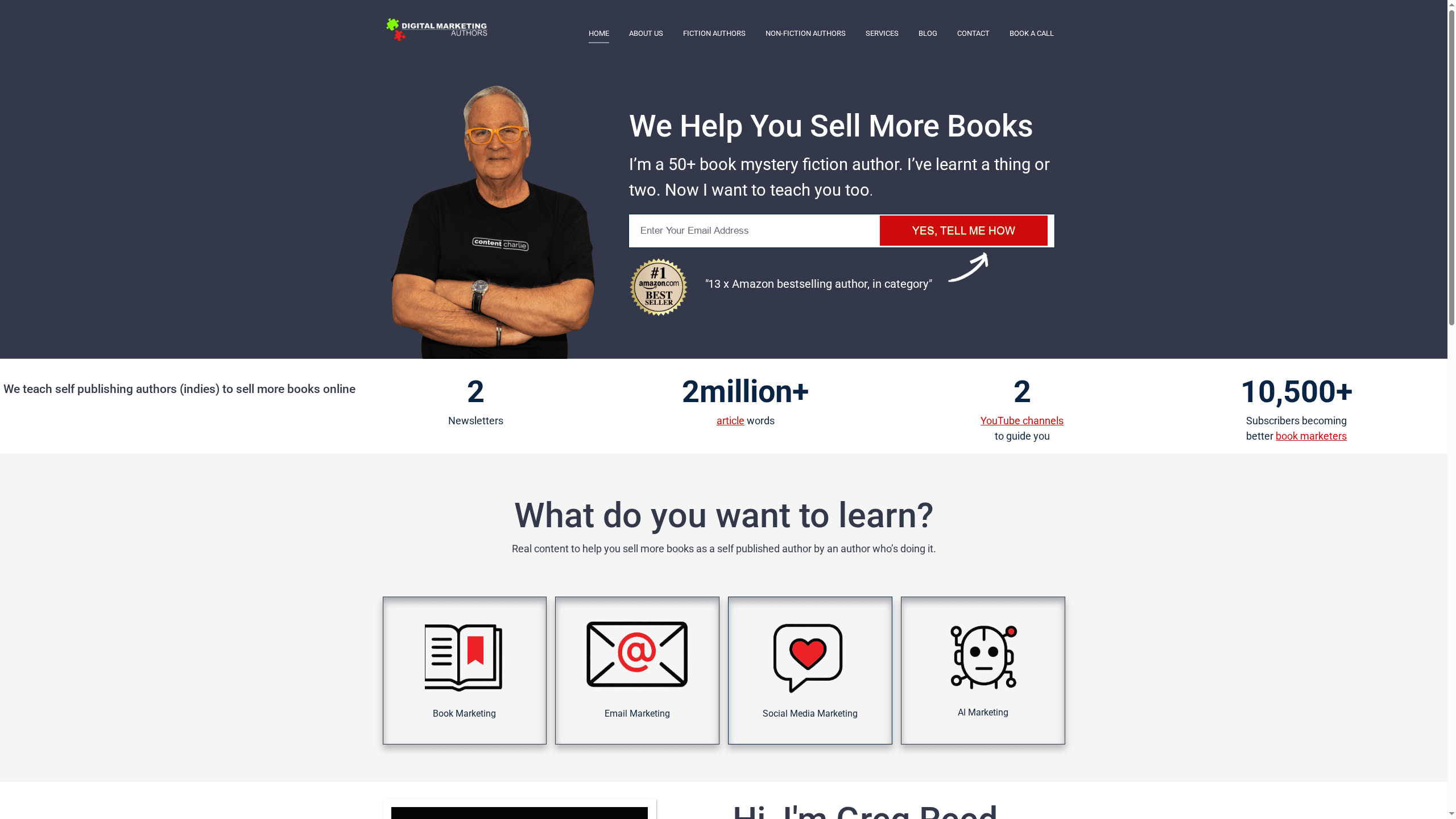
Digital Marketing Authors is a focused, author-first marketing resource that gives indie and self-published writers repeatable systems to sell more books. Founded by 13x #1 Amazon bestselling author C.T. Mitchell, the platform pairs author credibility with practical tactics in email, social media, and AI-driven marketing. If you want training, checklists, and step-by-step guidance aimed specifically at authors (not generic marketers), this is built for you. Expect hands-on strategies rather than vague theory.
Core Features
Digital Marketing Authors delivers targeted guides and training on email marketing, social media promotion, AI-assisted marketing, and content creation designed for book launches and ongoing audience growth. The site bundles strategic playbooks — like list-building funnels and magnetic email sequences — with resource articles such as marketing checklists and tool comparisons. Training materials emphasize automation and reader-community building, helping authors move from one-off promotions to scalable systems that consistently convert readers into repeat buyers.
Pros
- Led by a proven author-marketer: The platform is founded by 13x #1 Amazon bestselling author C.T. Mitchell, so guidance is grounded in real publishing experience and measurable results.
- Author-specific focus: Materials are tailored for self-published and indie writers, meaning examples, templates, and timelines reflect book marketing realities rather than broader corporate campaigns.
- Comprehensive, practical resources: The site includes checklists, tool comparisons, and step-by-step tutorials that let you implement tactics immediately rather than spending weeks learning theory.
- Modern marketing with AI integration: Training explicitly covers AI-powered techniques to save time and boost discoverability, keeping your marketing current and efficient.
- Proven sales and engagement methods: The platform prioritizes systems that grow email lists, automate sales funnels, and nurture a loyal reader base—methods proven to increase book sales over time.
Who It’s For
Digital Marketing Authors is ideal for self-published and indie authors who want to take control of their book marketing with systems that scale. If you write fiction or nonfiction and are committed to learning and applying practical tactics—email funnels, social media promotion, and AI-assisted content creation—this platform will accelerate your results. It’s particularly useful for authors who prefer actionable templates and checklists over academic marketing advice.
Unique Value Proposition
Digital Marketing Authors stands out because it combines frontline author credibility with explicit, execution-focused marketing systems. Unlike generic marketing platforms, it translates book marketing into repeatable playbooks: list-building tactics, automated email sequences, social media content calendars, and AI workflows tailored to book discovery. The emphasis on building a loyal reader army and automating sales moves authors away from one-hit launches and toward sustainable revenue. Backed by a bestselling author, the guidance is both strategic and granular — from subject-line formulas to promotion timing — making it superior for authors who need results without reinventing the wheel.
Real World Use Case
An independent mystery author uses the platform to grow an email list via targeted lead magnets, schedules a four-week social campaign for a new release, and deploys AI to create promotional copy and audience segments. The result: higher open rates, more preorders, and a measurable uplift in long-term reader engagement.
Pricing
Not specified on the website.
Website: https://digitalmarketingauthors.com
Kindlepreneur
At a Glance
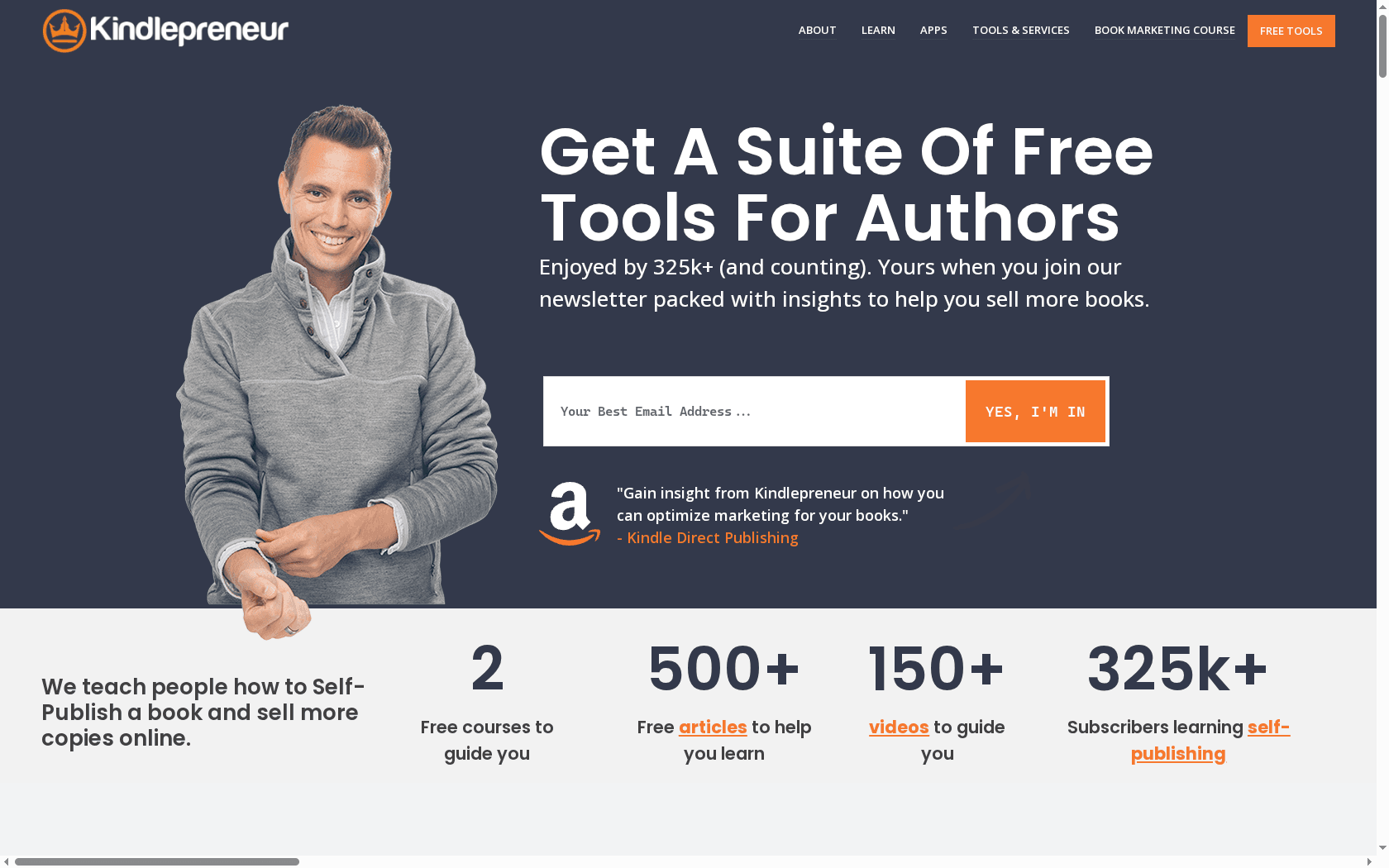
Kindlepreneur is a deep repository of free education and hands-on tools created for self-publishing authors who want practical, Amazon-focused book marketing help. Founded and curated by Dave Chesson, it combines more than 500 articles, 150+ videos, and a collection of free utilities that authors can use without a credit card. If you sell (or plan to sell) through Amazon KDP, Kindlepreneur delivers high-value, actionable material; outside Amazon, its relevance tapers off. Bottom line: a must-visit hub for Amazon-centric indie authors.
Core Features
Kindlepreneur’s core is educational content plus utility tools: free courses on self-publishing and book marketing, a library of over 500 written guides, 150+ instructional videos, and practical tools such as an Amazon sales rank calculator, book description generator, and QR code creator. The site also hosts resources on branding, cover design, editing, formatting, and publishing workflows—packaged to move an author from confusion to measurable action steps.
Pros
- Extensive free content: Kindlepreneur offers hundreds of articles and many videos so you can learn multiple aspects of publishing without immediate cost.
- Practical tools for Amazon sellers: Tools like the sales rank calculator and description generator give you quick, usable metrics and assets to improve listings.
- Authored by an experienced strategist: Guidance comes from a recognized self-publishing expert, which helps the advice feel grounded and credible.
- Supports all experience levels: Whether you’re writing your first indie novel or you’re a seasoned indie marketer, the site includes beginner courses and advanced tactics.
- Large engaged audience: A community of over 325,000 subscribers signals ongoing value and regular updates.
Cons
- Amazon-centric focus can limit applicability: The content and tools primarily target Kindle Direct Publishing, which reduces usefulness for authors pursuing other retailers or non-Amazon strategies.
- Some features behind paywalls: While most resources are free, certain advanced tools or courses may require payment or upgrades to access full functionality.
- Variable fit depending on skill level: The quality and usefulness of specific articles or tools can vary based on where you are in your author journey and your prior knowledge.
Who It’s For
Kindlepreneur is ideal for indie authors, self-publishers, and indie marketers who rely on—or plan to rely on—Amazon KDP as a primary sales channel. If you want step-by-step tutorials, free calculators, and tactical advice that you can apply the same day, this site was built for you.
Unique Value Proposition
Kindlepreneur stands out by pairing deep, free educational content with immediately actionable tools focused on Amazon performance. That combination lets authors both learn strategic concepts and run the tiny experiments that move visibility and sales.
Real World Use Case
An indie author uses Kindlepreneur’s Amazon sales rank calculator to estimate daily sales, applies learnings from articles to refine their Amazon Ads, and follows a free course to tighten book descriptions and metadata—resulting in clearer listings and measurable uplift in visibility.
Pricing
Free tier available; some premium tools and services may require payment.
Website: https://kindlepreneur.com
Book Brush
At a Glance
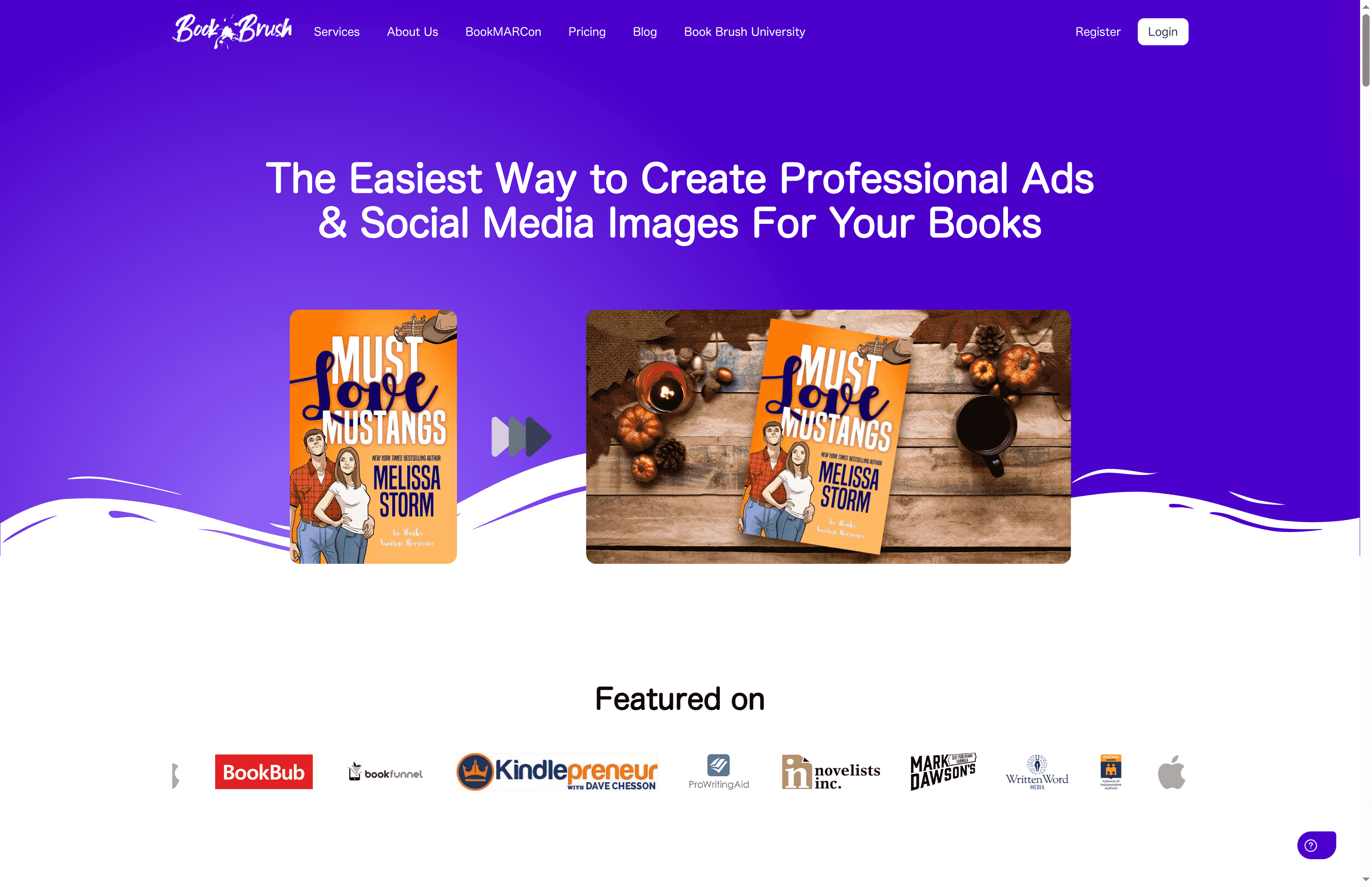
Book Brush is a purpose-built visual toolkit that helps authors produce professional covers, ads, mockups, and animated promos without hiring a designer. Its template library and 3D mockup options accelerate campaign-ready assets, making it a practical choice for busy indie authors and small publishers. It’s not a full-featured photo editor, though — expect convenience over pixel-perfect control.
Core Features
Book Brush bundles a large template library (over 3,000 templates) organized by platform and genre, a cover creator with hundreds of templates, and more than 200 fully customizable 3D book templates for instant mockups. The platform supports box set creation with spine options and uploads for print, ebook, audio, and other formats, and produces animated mockups and social-media-ready videos. Additional capabilities include a reader hub for sharing images, brand-consistent custom design integration, social media management services, and full-service author branding and design services.
Pros
- User-friendly interface with a wide variety of customizable templates: The platform’s organized template library lets you find genre-appropriate layouts quickly so you can build promos in minutes.
- Time-saving tools such as instant mockups and cover creators: Instant mockups and pre-built cover templates dramatically reduce the hours spent assembling campaign images.
- Affordable alternative to hiring graphic designers: For authors on a budget, Book Brush bundles many design needs into one subscription, which commonly costs less than multiple freelance jobs.
- Comprehensive suite of marketing tools tailored for authors: From covers to animated videos to box sets, the feature set maps closely to the typical tasks of book launches and ongoing promotions.
- Ability to create a consistent brand presence across multiple formats: Integration of custom designs and templated assets helps maintain cohesive branding across social posts, ads, and storefront imagery.
Cons
- Limited information on advanced editing features or unique customization options: The platform appears to favor templated workflows over deep, pixel-level editing, which may frustrate authors who want fine-grained control.
- Pricing plans may be expensive for some individual authors or small publishers: Annual plans starting at $149 may be a stretch for authors just testing paid promotion or those with very tight budgets.
- Potential learning curve for new users unfamiliar with graphic design tools: While templates simplify many tasks, authors new to visual tools may still need time to master branding consistency and animation options.
Who It’s For
Book Brush is ideal for indie authors, self-published writers, and small publishers who want fast, polished visual assets without outsourcing. If you run your own book launches and need social ads, mockups, and cover variants produced quickly, Book Brush gives you the assembly line you need.
Unique Value Proposition
Book Brush’s strength is convenience: it packages author-specific design templates, 3D mockups, animated social content, and basic brand services into a single, author-focused platform—so you can move from concept to campaign in hours instead of days.
Real World Use Case
An author preparing a release uses Book Brush to design the book cover, create promotional social graphics, generate animated teaser videos, and produce consistent box set imagery for retailer pages and ad campaigns.
Pricing
Plans range from $149/year for the Plus plan to $246/year for the Platinum plan, with higher tiers offering unlimited downloads, trailer creators, additional mockups, and webinars.
Website: https://bookbrush.com
StoryOrigin
At a Glance
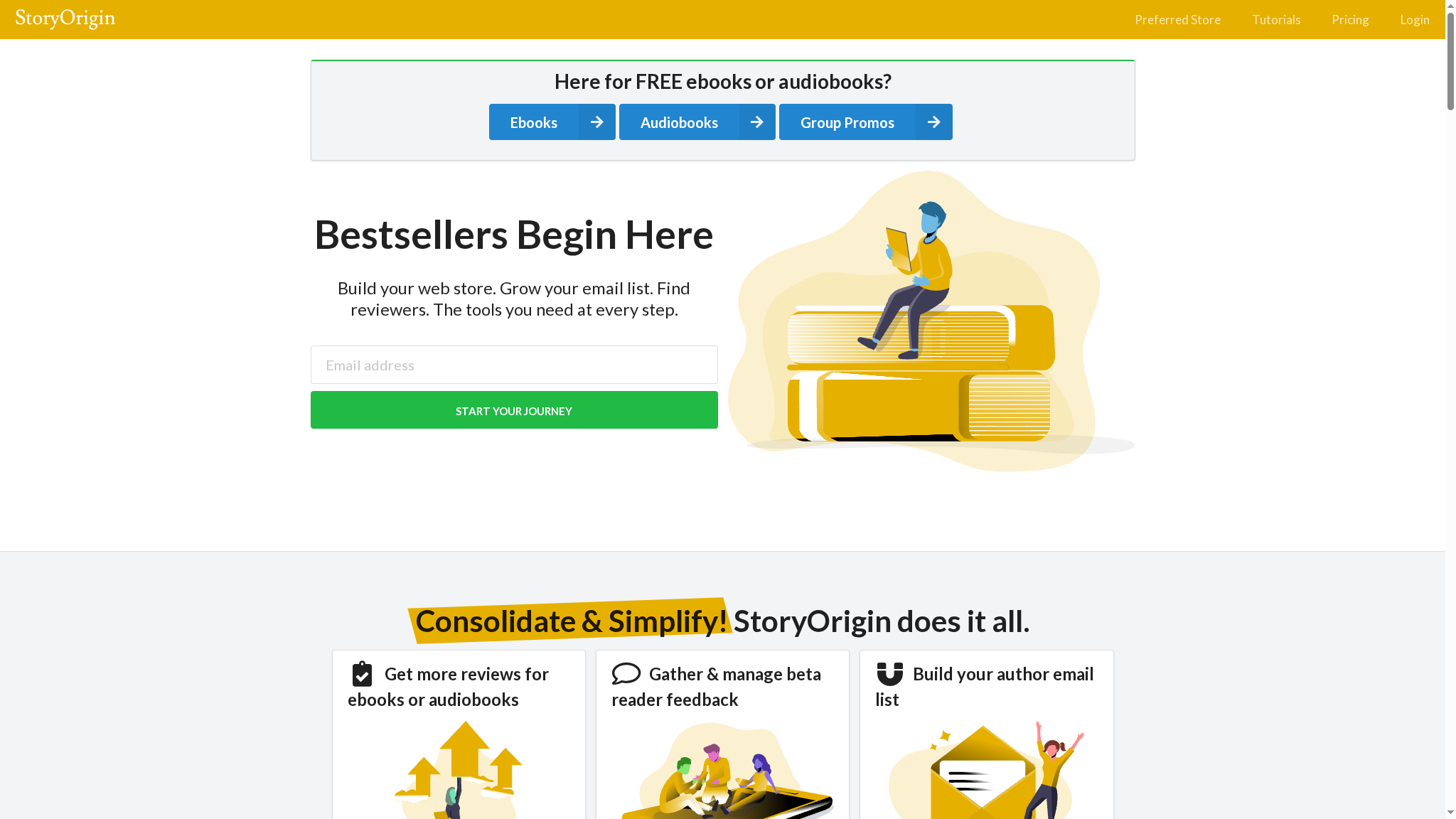
StoryOrigin is an all-in-one author marketing hub built to help indie and traditionally published authors grow mailing lists, manage reviews, and run collaborative promotions without juggling half a dozen separate tools. It combines list-building, reviewer outreach, newsletter swaps, and universal links into a single platform, which can save time and reduce manual follow-up. That breadth is StoryOrigin’s biggest strength — but the payoff requires a learning curve and, for many useful features, a paid plan.
Core Features
StoryOrigin’s capabilities center on streamlining author workflows: build email lists with reader magnets and landing pages; find, vet, and distribute review copies for ebooks and audiobooks; create and coordinate newsletter swaps and group promos; and generate universal links that send readers to the best store per country or preference. It also offers audiobook promo code distribution, beta reader feedback with embedded questionnaires, built-in calendars and campaign planners, writing goal tracking, and automation for reviewer follow-up and download delivery.
Not everything is surface-level. Many tasks that usually require spreadsheets or separate services—review tracking, universal links, and promo coordination—are automated inside the platform. That saves mental overhead. And yes, you can build a basic author website here, too. Small wins add up.
Stop. Think.
Pros
- All-in-one platform reduces tool sprawl: By combining list-building, review management, promotions, and universal links, StoryOrigin cuts the need to cobble together multiple services. This centralization saves time and reduces errors.
- User-friendly interface with depth: The platform is described as easy to use while still offering a long feature list, making it approachable for authors who want more than a single-purpose app.
- Strong community and positive social proof: The product benefits from a supportive author community, which can accelerate learning and provide promo partners.
- Flexible promotional options: Newsletter swaps, group promos, and automated reviewer workflows give authors multiple ways to reach readers and coordinate with other authors.
- Comprehensive review and feedback tracking: From ARC distribution to embedded beta-reader questionnaires, StoryOrigin helps you collect and manage feedback systematically.
Cons
- Complex for new users: Because StoryOrigin bundles many features, initial navigation can feel overwhelming, especially for authors who prefer minimal tools.
- Key features behind paid tiers: Several of the most useful capabilities—group promos, newsletter swaps, and advanced review management—require the Standard plan, limiting the free tier’s practicality.
- Limited free features: The free basic plan exists, but most authors aiming for real list growth and promo coordination will need to upgrade to access value-driving tools.
Who It’s For
StoryOrigin suits authors and indie writers who are serious about growing an audience and managing promotions efficiently. If you run newsletter swaps, share ARCs, or coordinate multi-author promos, StoryOrigin streamlines those tasks and reduces back-and-forth. It’s less ideal for authors who want a single, ultra-simple tool without any setup.
Unique Value Proposition
StoryOrigin’s unique value lies in packing multiple author-specific marketing tools into one platform tailored to the book ecosystem: reviewer discovery, ARC distribution, universal links for global sales, and campaign planning live together so you can coordinate launches and promos without spreadsheets.
Real World Use Case
An indie author uses StoryOrigin to organize newsletter swaps, distribute ARC copies to vetted reviewers, and create universal links for a recent release. The result: smoother ARC delivery, clearer review tracking, and a stronger mailing list ready for launch announcements.
Pricing
Starting at Free; Standard plan $10/month or $100/year, with an optional guided setup that involves a setup fee.
Website: https://storyoriginapp.com
Publer
At a Glance
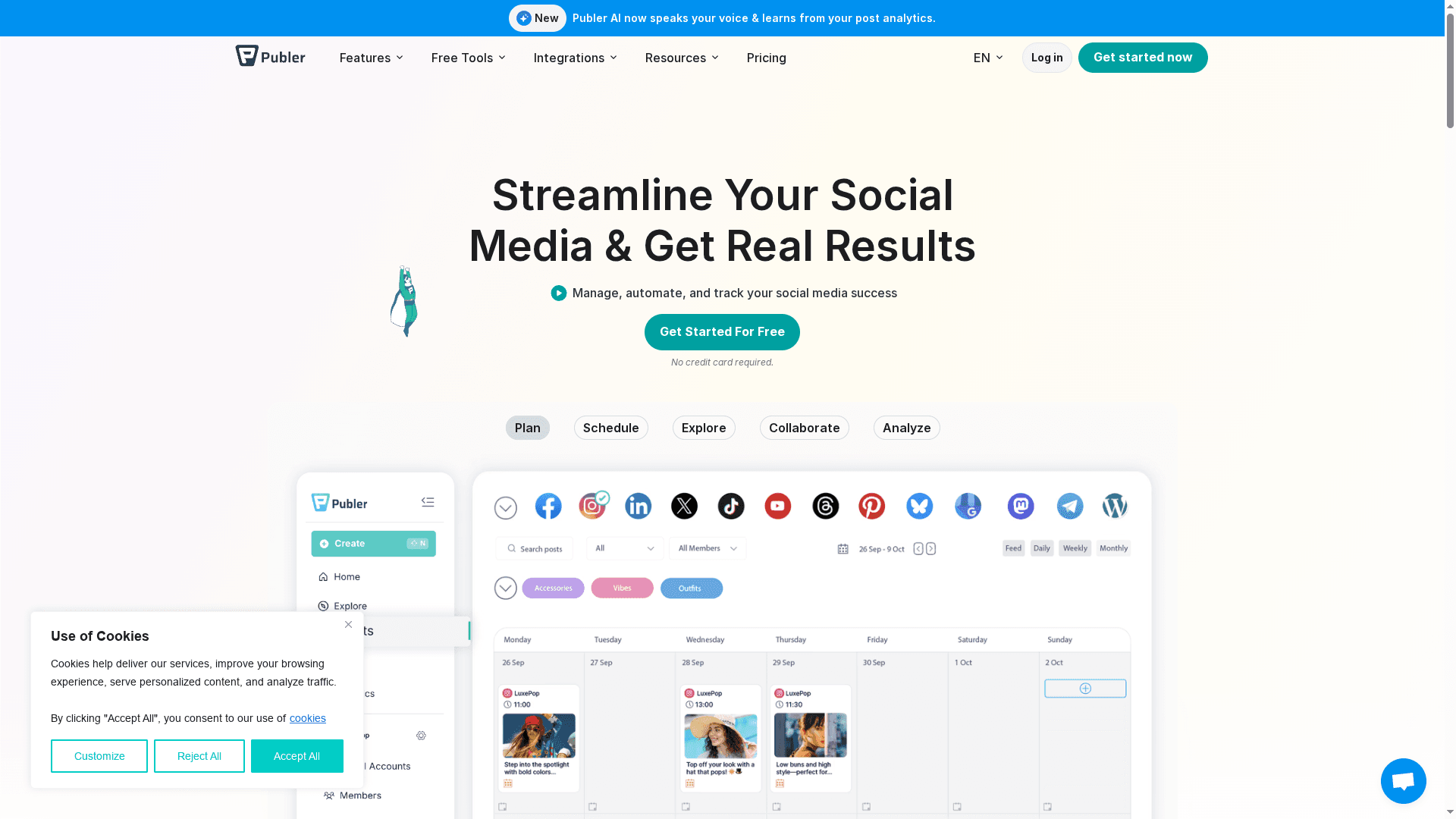
Publer is a full-featured social media management platform built to simplify scheduling, automation, and analytics across multiple networks. For authors and book marketers, it offers practical tools—bulk scheduling, content recycling, and AI-assisted writing—that reduce repetitive work and keep your feed consistent. It’s approachable for solo authors but scalable enough for agencies and marketing teams. Expect a short learning curve for advanced automation, and consider paid plans for larger teams or heavy feature use.
Core Features
Publer centers on cross-platform social media scheduling and automation, with built-in content creation and editing tools so you can craft posts without leaving the app. It supports analytics and insights to track performance, collaboration and approval workflows for teams and clients, and bulk uploading via CSV or a multi-post scheduler for rapid campaign setup. Additional capabilities include AI content generation, link-in-bio management, content recycling, and integrations with popular design and storage tools.
Pros
- User-friendly interface with a drag-and-drop calendar makes planning weeks of posts quick and visual. This lowers the friction for authors who prefer visual scheduling over spreadsheets.
- Comprehensive automation tools including auto-schedule and recycling reduce manual reposting and keep evergreen content working for you. Save time and maintain presence without constant oversight.
- Deep analytics provide the data you need for better decision-making about what content actually drives engagement. That’s crucial when every promotional post should move the needle on visibility or sales.
- Integration with tools like Canva and Google Drive streamlines content creation and asset management. You can pull visuals and drafts into Publer without broken workflows.
- Flexible plans cater to individuals, businesses, and enterprises so you can scale as your audience grows. Start small and upgrade when you need team features.
Cons
- Some features are limited in free plans, which can frustrate users who want to trial advanced automation and analytics. You may hit restrictions before you’ve tested the tool fully.
- Pricing can be high for larger teams or advanced features, making it a significant monthly commitment for agencies managing many client accounts. Budget accordingly.
- There is a learning curve for extensive automation options, so expect to invest time to set up complex recycling or approval workflows correctly. Don’t assume everything will work optimally out of the box.
Who It’s For
Publer is ideal for social media managers, small business owners, content creators, agencies, and enterprise marketing teams who need an integrated platform to schedule, automate, and analyze social content. If you manage multiple author profiles or client accounts and value bulk operations and collaboration, Publer fits well.
Unique Value Proposition
Publer’s value lies in combining practical automation—bulk scheduling, recycling, and AI content assistance—with collaboration and analytics in one interface. For authors, that means less time juggling posts and more time writing, while teams gain clearer approval workflows and measurable performance data.
Real World Use Case
A digital marketing agency uses Publer to schedule and analyze posts across several clients’ accounts, automate content recycling for evergreen promotions, and share drafts with clients for approval—streamlining campaign workflows and reducing manual coordination.
Pricing
Free tier available; paid plans include Professional, Business, and Enterprise with varying features and custom options.
Website: https://publer.io
Author Marketing Tools Comparison
Here’s a comprehensive comparison of popular author marketing tools, showcasing their unique features, pros, cons, and pricing to help authors make informed decisions.
| Tool | Key Features | Pros | Cons | Pricing |
|---|---|---|---|---|
| Digital Marketing Authors | Email, Social Media, AI Marketing Templates & Checklists for Authors |
Proven Author Insights Comprehensive Resources Modern with AI Integration |
Pricing not specified | Not specified |
| Kindlepreneur | Amazon-focused Tools & Courses 500+ Articles, 150+ Videos |
Extensive Free Content Amazon Tools for Sellers Large Audience |
Amazon-centric Focus Some Paywalls |
Free, Some Paid Features |
| Book Brush | 3,000+ Templates Cover Creator, 3D Mockups, Animation |
User-Friendly Time-Saving Tools Affordable Design Solutions |
Limited Advanced Editing Learning Curve Pricing High for Some |
$149-$246/year |
| StoryOrigin | Email & Review Management Newsletter Swaps, Universal Links |
All-in-One Platform User-Friendly Strong Community |
Complex for New Users Most Features Paid |
$0-$10/month |
| Publer | Social Media Management Automation, Bulk Scheduling |
User-Friendly Interface Comprehensive Automation Deep Analytics |
Limited Free Features High Pricing for Advanced Features |
Free, Paid Plans Available |
Master Social Media Marketing for Your Books with Proven Systems
Social media marketing can feel overwhelming when you face scattered tools and unclear strategies. This article highlights the challenge of finding the right platforms and automation to save time while boosting book visibility and sales. If you are struggling to manage posts, engage readers consistently, and turn casual followers into loyal fans, you are not alone. Key goals include simplifying scheduling, maximizing engagement, and leveraging AI-powered content creation to work smarter not harder.
At Digital Marketing Authors, we understand these struggles deeply. Founded by 13x #1 Amazon bestselling author C.T. Mitchell, our platform focuses exactly on helping authors build scalable, repeatable marketing systems—from magnetic email sequences to AI-enhanced social media workflows. We give you templates, checklists, and step-by-step playbooks tailored for authors who want to stop guessing and start selling more books.
Tap into expert strategies that transform your social media chaos into a streamlined engine for growth.
Ready to stop spinning your wheels and grow a loyal reader community with less stress? Explore our proven author marketing frameworks and AI tools now at Digital Marketing Authors. Start marketing smarter today and watch your book sales accelerate with actionable guidance designed for indie authors just like you.
Frequently Asked Questions
What are the essential social media tools for book marketing in 2025?
To effectively market books in 2025, essential social media tools include scheduling platforms for posts, analytics software for performance tracking, and audience engagement tools. Begin by assessing your needs for automation and analytics to select tools that promote consistent engagement with readers.
How do I automate my social media posts for book marketing?
To automate social media posts, utilize a scheduling tool that allows you to queue up multiple posts in advance. Set aside time weekly to create content and schedule posts, ensuring you maintain a steady online presence without daily management.
What metrics should I track to measure my book marketing success on social media?
Key metrics to track include engagement rates, follower growth, and post reach. Focus on monthly reports to analyze trends; for example, aim for a 10% increase in engagement over the next quarter by refining your content strategy.
How can I grow my audience using social media tools?
Use audience engagement tools to create interactive content, such as polls or giveaways, that encourages followers to participate and share. Aim for a campaign that targets a 15% increase in followers within 30 days by offering engaging visuals and dynamic posts.
What types of content should I share on social media to promote my books?
Share a mix of engaging content like behind-the-scenes insights, reader testimonials, and excerpts from your book. Plan a content calendar with at least one promotional post per week to keep your audience engaged and informed.
Can I collaborate with other authors using social media tools?
Yes, many social media tools facilitate collaboration by allowing content sharing and coordinated campaigns. Establish partnerships and plan joint promotions to expand your reach, aiming to increase collective followership by up to 25% within a couple of months.
Recommended

7 Essential Types of Book Marketing Every Author Should Know
Did you know that over 70 percent of readers discover new authors through digital channels? In a world where your next fan could be scrolling on their phone, mastering book marketing is no longer an option, it is the difference between being seen and being overlooked. Whether you are just starting out or looking to grow your presence, the right strategies can help you build loyal readers, boost your visibility, and turn your passion into a thriving author brand.
Quick Summary
| Takeaway | Explanation |
|---|---|
| 1. Build an authentic author brand on social media. | Utilize platforms where your readers are active. Focus on quality content that reflects your personality and writing journey. |
| 2. Cultivate a dedicated email reader list. | Treat your email list as a personal community. Offer valuable content to engage and connect with readers directly. |
| 3. Optimize your Amazon metadata for visibility. | Use precise keywords and compelling descriptions to help readers discover your book among many options. |
| 4. Generate genuine book reviews for trust. | Focus on authentic feedback from readers. Utilize strategies like advance copies and engaging with book communities to build trust. |
| 5. Leverage AI tools to automate marketing tasks. | Use AI as an assistant for content generation and data analysis, but maintain your unique voice in marketing efforts. |
Table of Contents
- Social Media Marketing For Author Branding
- Email Marketing To Build Loyal Reader Lists
- Amazon Optimization For Increased Book Visibility
- Leveraging Book Review Strategies For Trust
- Paid Advertising To Drive Book Sales Fast
- Collaboration And Cross-Promotion With Other Authors
- Using Ai Tools For Smarter Book Marketing Automation
1. Social Media Marketing for Author Branding
Social media is no longer optional for authors. It’s a powerful platform to build your brand, connect with readers, and transform casual followers into dedicated fans.
Your author brand transcends book sales. It represents your unique voice, writing style, personality, and the emotional connection you create with readers. Social media platforms like Instagram, Twitter, and Facebook offer unprecedented opportunities to showcase who you are beyond your written work.
Building an authentic social media presence requires strategic thinking. Start by selecting platforms where your target readers spend time. A fiction romance writer might find more engagement on Instagram, while a technical nonfiction author could thrive on LinkedIn. Choose quality over quantity.
Content strategy matters more than follower count. Share behind the scenes glimpses of your writing process, book research, personal inspirations, and character development. Learn more about creating a magnetic author brand that keeps readers coming back.
Effective author social media marketing involves:
- Consistent posting schedule
- Authentic storytelling
- Engaging visual content
- Direct interaction with followers
- Sharing relevant industry insights
Remember readers want connection. They want to know the human behind the books. Show your personality. Be genuine. Share your writing struggles, celebrate your wins, and create a community that feels personally invested in your journey.
Pro tip: Invest time in understanding each platform’s unique audience and content style. What works on TikTok will differ dramatically from LinkedIn. Tailor your approach accordingly.
2. Email Marketing to Build Loyal Reader Lists
Your email list represents the most powerful marketing asset an author can develop. Unlike social media platforms where algorithms control visibility, an email list gives you direct communication with readers who genuinely want to hear from you.
Building a reader list is about quality over quantity. You want passionate readers who are excited about your writing journey and upcoming books. Think of your email list as a private community where fans feel personally connected to your work.
Start by creating an irresistible lead magnet something that provides genuine value. This could be a free short story, exclusive chapter preview, character backstory, or writing resource that aligns with your book genre. Explore advanced strategies for building your reader list and convert casual readers into dedicated fans.
Effective email marketing for authors involves:
- Consistent communication
- Personalized content
- Exclusive reader rewards
- Transparent relationship building
- Strategic book launch announcements
Your email content should feel like a personal conversation. Share writing updates, behind the scenes glimpses, character inspirations, and book research journeys. Readers want to feel invested in your creative process.
Pro tip: Segment your email list based on reader interests. A fantasy writer might create different tracks for hardcore fantasy fans versus casual genre readers. Personalization increases engagement and loyalty.
Remember email marketing is a relationship building tool. Treat your subscribers like valued friends. Be authentic. Be generous. And most importantly be the storyteller they cannot wait to hear from.
3. Amazon Optimization for Increased Book Visibility
Amazon is not just a bookstore. It is a sophisticated search engine where strategic optimization can mean the difference between becoming a bestseller or remaining undiscovered. Your book’s success depends on understanding Amazon’s complex algorithm and positioning your work strategically.
Metadata is your secret weapon. Every single detail from your book title and subtitle to keywords and categories can dramatically impact your discoverability. Think of metadata as the digital GPS that helps readers find your book among millions of competing titles.
Explore advanced book promotion tactics that can transform your Amazon presence. Your goal is to signal to Amazon’s algorithm that your book is relevant and engaging.
Key strategies for Amazon optimization include:
- Selecting precise book categories
- Writing compelling book descriptions
- Using all 7 available keyword slots
- Encouraging genuine reader reviews
- Maintaining consistent book pricing
Your book cover is your first marketing weapon. Professional design signals quality and attracts potential readers scrolling through search results. A great cover communicates genre, mood and promises the reading experience potential buyers can expect.
Understand Amazon’s ranking system. The more books you sell within a short timeframe the higher you climb in category rankings. This visibility creates a powerful snowball effect where increased visibility leads to more sales.
Pro tip: Update your book metadata periodically. Amazon algorithms change and so do reader search patterns. Stay flexible and willing to experiment with different keyword combinations and category placements.
4. Leveraging Book Review Strategies for Trust
Book reviews are the digital currency of reader trust. Potential readers scan reviews before making purchasing decisions a critical factor that can make or break your book’s success.
Authentic reviews are more valuable than paid endorsements. Readers can quickly spot manufactured praise. Your goal is to cultivate genuine feedback from readers who truly connected with your work. Discover effective strategies to build reader trust quickly and transform casual readers into loyal fans.
Reviews serve multiple purposes beyond social proof. They provide valuable feedback about your writing, help Amazon’s recommendation algorithms, and signal credibility to potential readers. A book with multiple thoughtful reviews looks more professional and trustworthy.
Strategies for generating authentic book reviews include:
- Offering advance reader copies
- Engaging with book blogger communities
- Creating a simple review request process
- Targeting readers in your specific genre
- Encouraging honest feedback
Never purchase fake reviews. Amazon regularly purges artificial reviews and can penalize authors who attempt to game the system. Authentic connections matter more than inflated numbers.
Reach out to readers who have enjoyed similar books in your genre. Book review groups on Goodreads social media platforms and specialized reader forums can be excellent resources for finding genuine reviewers.
Pro tip: Make leaving a review as easy as possible. Provide direct links. Write clear instructions. Show appreciation for every single review readers take time to write.
5. Paid Advertising to Drive Book Sales Fast
Paid advertising represents a powerful accelerator for book sales when executed strategically. Unlike organic marketing which builds slowly paid advertising allows authors to reach targeted readers rapidly and precisely.
Targeted advertising is about smart spending not massive budgets. You do not need thousands of dollars to create effective book promotions. Explore advanced book advertising techniques that maximize your return on investment.
The most effective platforms for book advertising include Facebook Ads Amazon Ads BookBub Ads and targeted social media campaigns. Each platform offers unique advantages for different book genres and reader demographics.
Effective paid advertising strategies involve:
- Precise audience targeting
- Compelling visual creatives
- Clear call to action messaging
- Tracking and analyzing performance
- Continuous campaign refinement
Understand your target reader deeply. What are their interests? What other books do they read? What online communities do they frequent? The more precisely you can define your audience the more efficient your advertising spend becomes.
Start with small test budgets. Most platforms allow you to spend as little as five dollars per day. Experiment with different ad variations track your results and double down on what works. Successful advertising is about continuous learning and optimization.
Pro tip: Create multiple ad variations to test different images copy and targeting. What resonates with romance readers might not work for science fiction fans. Be willing to pivot quickly based on real data.
6. Collaboration and Cross-Promotion with Other Authors
Authors are not competitors. They are potential allies in a collaborative ecosystem where mutual support can exponentially expand reader reach. Cross promotion transforms individual marketing efforts into a powerful network of shared opportunities.
Strategic author collaboration multiplies your visibility. Explore innovative cross-platform promotion strategies that can transform your book marketing approach and connect you with broader audiences.
Think beyond traditional networking. Modern author collaboration involves creative exchange of reader audiences platforms and marketing resources. Your fellow genre writers are not rivals they are potential partners in building a robust reading community.
Effective collaboration strategies include:
- Joint newsletter features
- Bundled book promotions
- Shared social media takeovers
- Collaborative podcast or video interviews
- Anthology or boxset contributions
Target authors writing in similar genres or complementary writing styles. A science fiction writer might collaborate with a technology blogger. A romance novelist could partner with writers exploring relationship dynamics.
Reach out professionally. Offer genuine value. Show how collaboration benefits both parties. Be specific about what you bring to the partnership. Demonstrate your understanding of their audience and brand.
Pro tip: Build relationships before you need them. Engage authentically in author communities. Comment on their posts. Share their work. Genuine connections create natural collaborative opportunities.
7. Using AI Tools for Smarter Book Marketing Automation
Artificial intelligence is transforming book marketing from a time consuming manual process into a streamlined strategic approach. AI tools can help authors work smarter not harder by automating repetitive tasks and providing data driven insights.
AI is your marketing assistant not a replacement for human creativity. Learn advanced strategies to automate book sales and reclaim hours of productive writing time.
Modern AI tools can assist authors in multiple marketing dimensions. They can generate social media content analyze reader demographics craft targeted email sequences and even predict potential book market trends.
Practical AI marketing applications include:
- Content generation for social posts
- Personalized email marketing
- Audience segmentation
- Predictive sales analytics
- Targeted advertising optimization
Start with user friendly AI tools that integrate seamlessly into your existing marketing workflow. Experiment with generative AI for creating book descriptions social media captions and newsletter content. But always review and personalize the output to maintain your unique voice.
Understand that AI is a tool for enhancement not a complete replacement for human creativity. Your personal storytelling authentic connection and unique perspective remain the core of successful book marketing.
Pro tip: Treat AI as your marketing assistant. Use it to generate ideas draft initial content and provide strategic insights. Your human touch transforms AI generated content into something truly compelling.
Below is a comprehensive table summarizing the key strategies and considerations for author branding and marketing through various digital platforms discussed in the article.
| Topic | Strategies & Implementation | Benefits/Outcomes |
|---|---|---|
| Social Media Marketing | Select platforms based on target audience; Focus on authentic content like writing process and storytelling. | Build author brand; Connect with readers; Create engaged fanbase. |
| Email Marketing | Develop quality email list; Use lead magnets like free stories; Segment list for personalized content. | Direct communication with fans; Build loyalty; Higher engagement. |
| Amazon Optimization | Use metadata precisely; Select accurate categories; Keep book covers professional. | Increase book visibility; Improve discoverability; Boost sales rankings. |
| Book Review Strategies | Offer advance copies; Engage with book bloggers; Simplify review requests. | Gain reader trust; Enhance credibility; Better Amazon recommendations. |
| Paid Advertising | Target audience precisely; Use compelling creatives; Test ad variations. | Rapid reach to readers; Increase book sales; Optimize ad spend efficiency. |
| Collaboration | Partner with authors in similar genres; Joint promotions and newsletters. | Expand audience reach; Mutual promotion benefits; Community building. |
| AI Tools for Marketing | Automate tasks like content generation; Analyze reader data; Optimize advertising. | Save time; Data-driven insights; Enhance strategies with AI. |
Turn Book Marketing Knowledge into Real Sales and Loyal Readers
Are you feeling overwhelmed by all the moving parts of modern book marketing? You are not alone. Many authors struggle to build an authentic online presence, grow a loyal reader list, and get discovered on platforms like Amazon. The article highlights essential but complex areas such as social media branding, email marketing, Amazon optimization, and AI-powered automation. Without a proven system, the process can feel intimidating and time-consuming.
Take the next step and experience what focused, expert-backed support can do for your author career.
If you are ready to automate book sales, grow a passionate readership, and master everything from book promotion tactics to AI tools, now is your chance. Join other successful indie authors who have learned the secrets at Digital Marketing Authors. Visit our home page today and start building the profitable author brand you deserve.
Frequently Asked Questions
What types of social media marketing should I use for my author brand?
Effective social media marketing for your author brand includes platforms where your target readers engage, such as Instagram for fiction or LinkedIn for nonfiction. Start by identifying the platform that best suits your audience and create a consistent posting schedule to share insights about your writing process and personal journey.
How can I build an email list to connect with my readers?
Building an email list involves creating a valuable lead magnet, like a free short story or exclusive content, to encourage sign-ups. Aim to gather 100 passionate subscribers by offering regular updates and personal insights that make them feel part of your writing journey.
What are the best strategies for optimizing my book on Amazon?
To optimize your book on Amazon, focus on detailed metadata including your title, keywords, and categories. Revise your book’s description to highlight compelling elements that will draw readers in, updating this periodically to improve discoverability.
How can I generate authentic book reviews from readers?
You can generate authentic book reviews by offering advance reader copies to targeted audiences and simplifying the review process with clear instructions. Engage with specific reader communities to reach individuals who are likely to resonate with your work and ask for honest feedback.
What should I consider when using paid advertising for my book?
When using paid advertising, focus on precise audience targeting and compelling visuals to draw attention. Start with a small test budget, spending as little as five dollars a day, and analyze which variations yield the best engagement to refine your approach continuously.
How do I collaborate with other authors for cross-promotion?
To collaborate with other authors, identify those who write in similar genres and propose ideas for joint promotions like shared email newsletters or social media takeovers. Build genuine relationships by engaging with their content, which will make your collaboration proposal more appealing.
Recommended
- book marketing strategies for authors Archives – DigitalMarketingAuthors.com
- book marketing steps Archives – DigitalMarketingAuthors.com
- book marketing guide Archives – DigitalMarketingAuthors.com
- book marketing checklist Archives – DigitalMarketingAuthors.com
- 7 Content Curation Strategies Every Business Owner Needs – My Blog